Multicoder ACP - One UI for every agentRun coding agents directly from VS Code. One interface for Claude, Codex, OpenCode, Qwen, Hermes, and any other ACP-compatible agent. See every change, tool call, and reasoning trace. Find who did what, when, and why. Installation Launch VS Code Quick Open ( Ctrl+P), paste the following command, and press enter.Copied to clipboard |

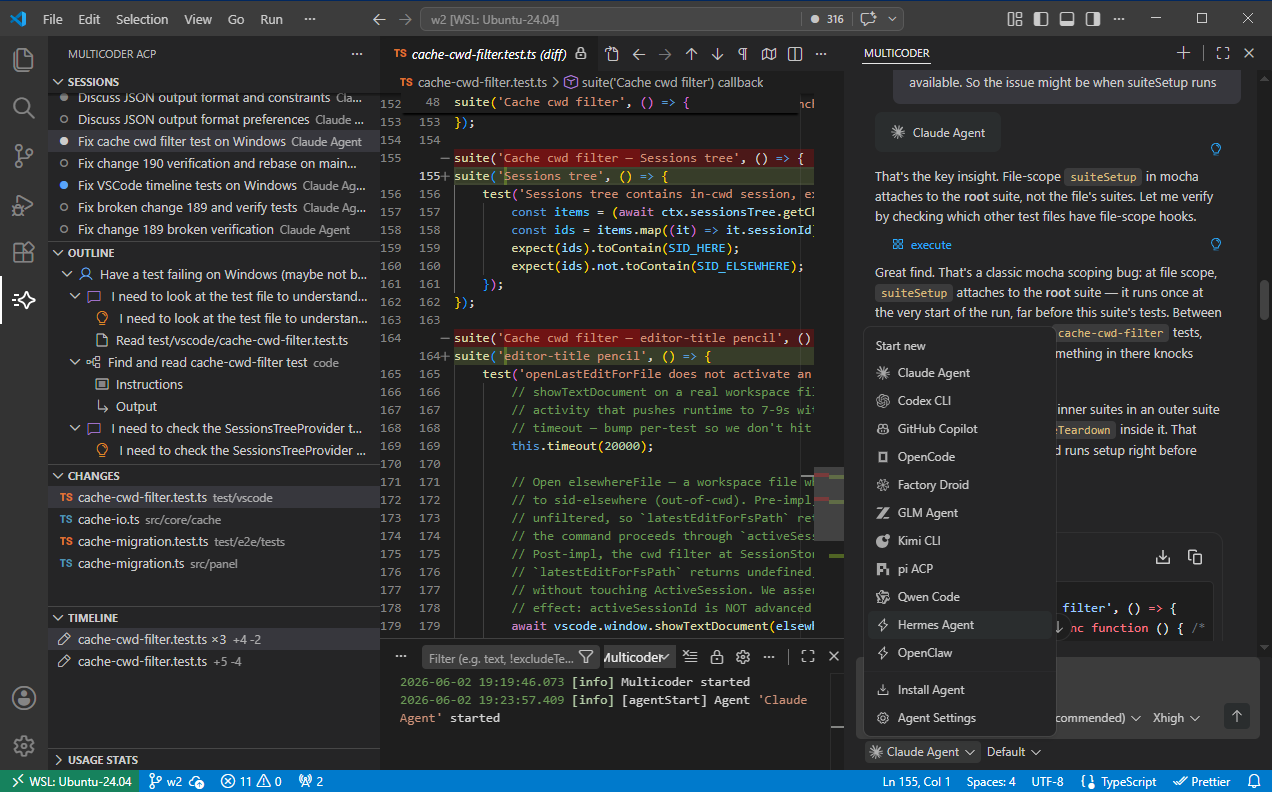
Multicoder - VS Code ACP ClientUse whichever coding agent works best. One UI, full VS Code integration for Claude Code, Codex, Copilot, OpenCode, Qwen, Pi, Hermes and many others (via ACP).
Install Multicoder if you switch between multiple agents, want more visibility, better VS Code integration, or just prefer a graphical interface over the terminal. You get:
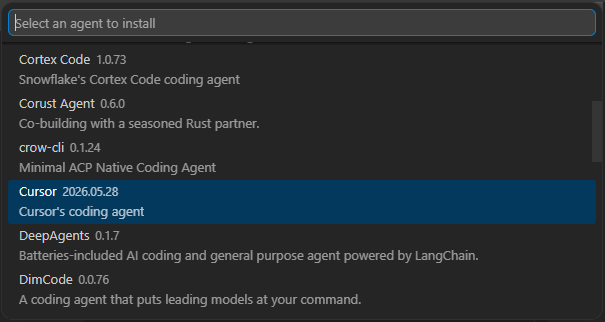
How it worksMulticoder talks to agents over the Agent Client Protocol (ACP), an open protocol for connecting coding agents to editors. Many agents support ACP natively (Copilot, OpenCode, Qwen, Hermes); for the rest (Claude Code, Codex, Pi) a wrapper translates the agent's SDK to ACP. Agents still run as local subprocesses, in your environment, with your own accounts and API keys. Multicoder just provides a common UI and a management layer. Get started
Features
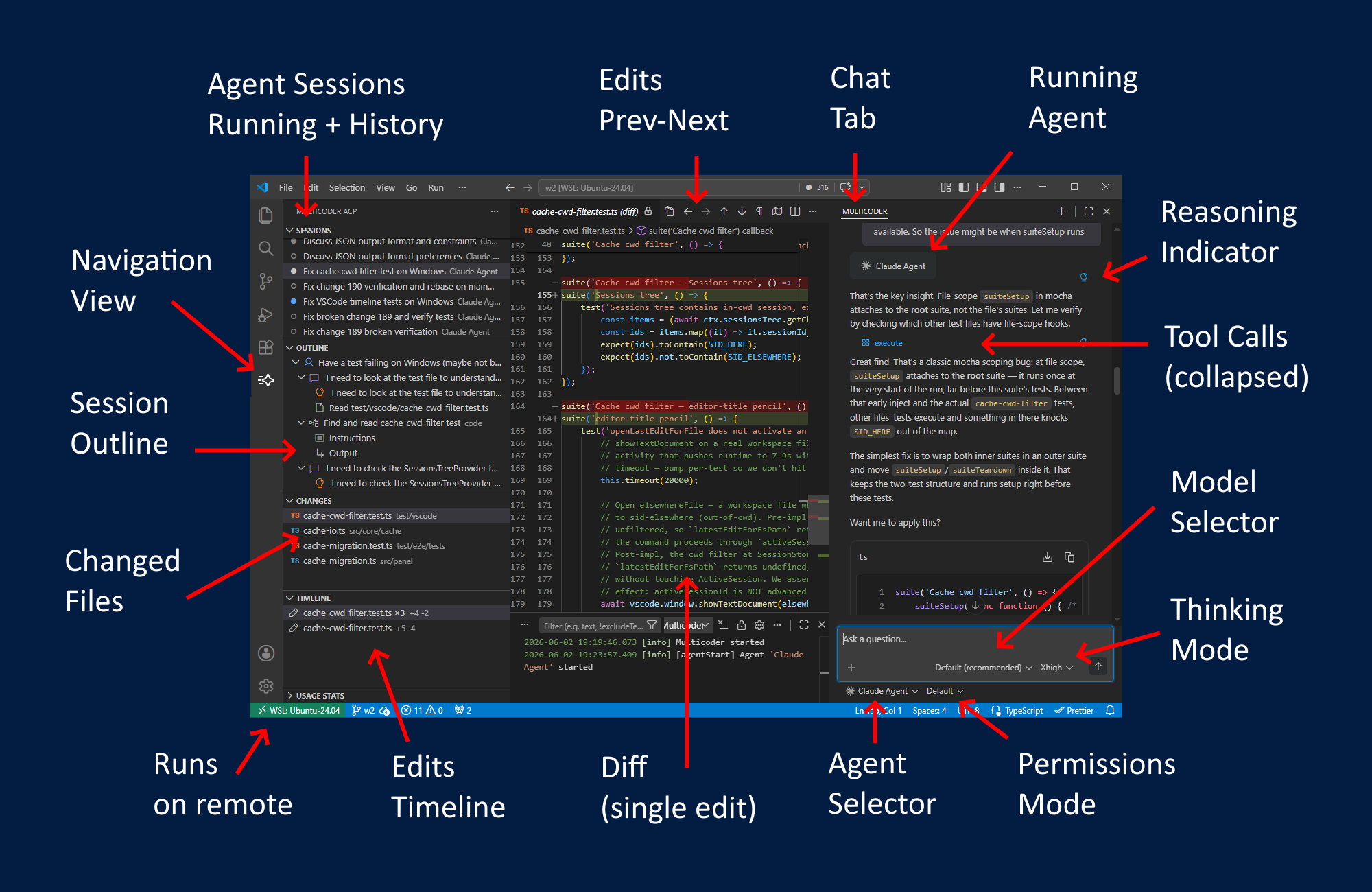
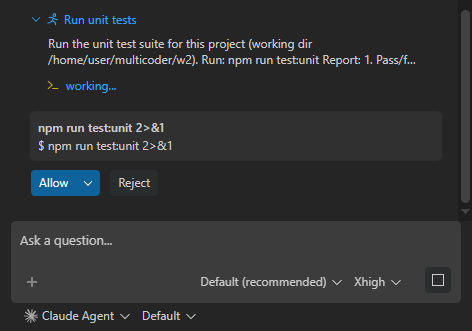
Watch the agent workThe transcript shows everything: reasoning blocks, tool calls (collapsed until you open them), subagent runs with their own instructions and output. The Outline view jumps to any point in a long session. Every edit trackedThe Changes view lists the files a session touched. The Timeline shows each file's change history. Open the aggregated diff for a file, or step through individual edits with prev/next in the editor. PermissionsTool calls wait for your approval - allow or reject inline. A permission mode selector sets how much the agent may do on its own.
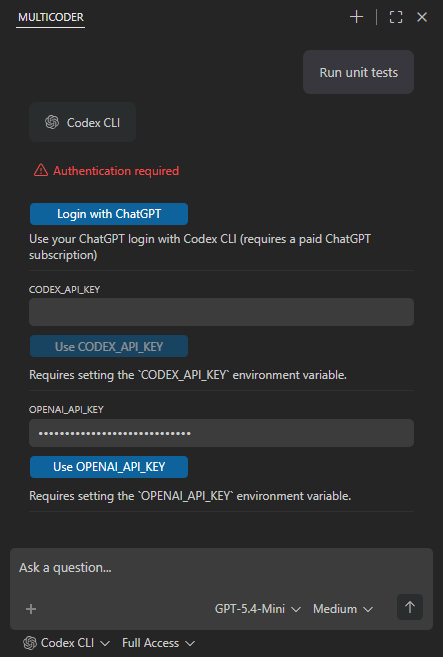
SessionsRunning and finished sessions in one list, with time filters. History from the agent's CLI syncs in. Sessions survive window reloads and workspace switches - agents keep working. Tune per sessionModel, thinking level, and permission mode selectors sit under the input. Choices persist per agent. Auth built inWhen an agent needs credentials, the chat panel shows that agent's options - subscription login or API key. No config files to hunt down.
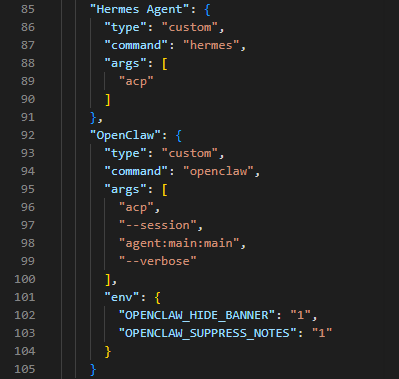
Works where VS Code worksRemote workspaces included - the agent runs on the remote host, next to your code. Advanced configurationSettings live in
Agent sessions are managed by a small local server that outlives the VS Code window - that's what keeps agents working across reloads. By default it picks a free port; set Feedback
|