FlintJVM Debug extension for Visual Studio Code
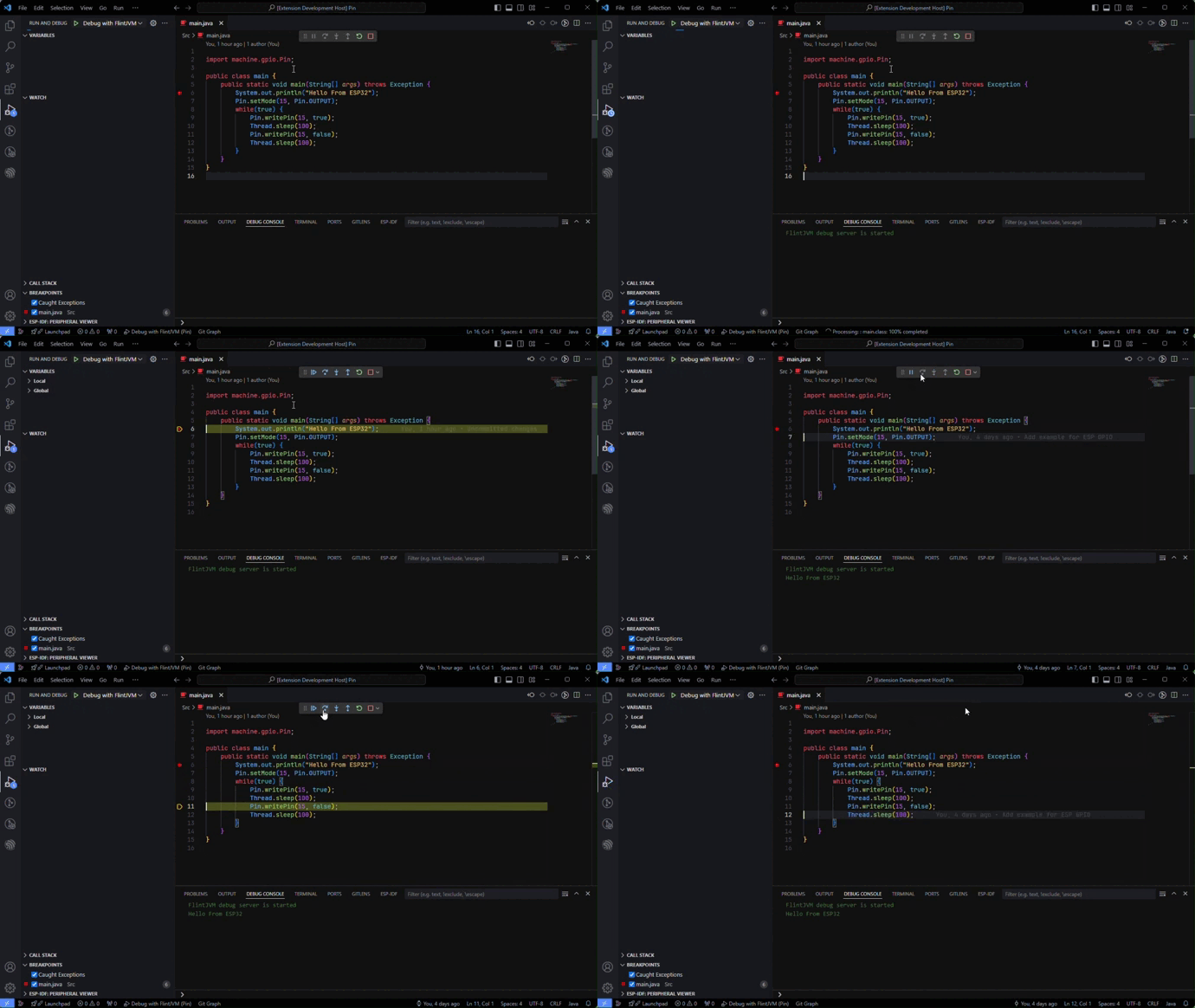
A Visual Studio Code extension support for the debugging java language with FlintJVM.
It Provides basic features such as:
- Pause, Continue, Restart.
- Step Over, Step Into, Step Out.
- Stack trace.
- Set and remove breakpoints.
- Stop on exception and display exception information.
- View local variables and evaluate expressions.
- Display message printed from java code.
How to use
- Install FlintJVM Debug extension on VS Code.
- Click on the "Install" button.
- In the new window, open the your java project that will be run on FlintJVM.
- Open
Run > Add Configuration... > Flint Debug to add launch.json with default configuration or refer to the following example configuration:
{
    "version": "0.2.0",
    "configurations": [
        {
            "type": "flint-debug",
            "request": "launch",
            "name": "Debug with FlintJVM",
            "port": "COMx",
            "program": "bin/jar/FlintApp.jar",
            "sourcePath": "src",
            "modulePath": [
                "lib/java.base.jar",
                "lib/flint.io.jar",
                "lib/flint.net.jar"
            ]
        }
    ]
}
- Change the default parameters in launch.json to match your project.
- Press
F5 to start debugging your java project.
Configuration parameters
cwd
- Type: string
- Description: The current working directory of the executed program. This parameter is not required.
port
- Type: string
- Description: Port to connect to flint server. The value can be a TCP/IP address or a COM port name. This parameter is required.
- Example
"port": "COM10" or port": "/dev/ttyUSB0" to use the COM port with the default baud rate (460800)."port": "COM10@921600" or port": "/dev/ttyUSB0@921600" to use the COM port with the specified baud rate."port": "127.0.0.1" to use the TCP/IP with the default port number (9620)."port": "127.0.0.1:1234" to use the TCP/IP with the default specified port number.
program
- Type: string
- Description: Path to program file. This parameter is required.
- Example:
"program": "bin/jar/FlintApp.jar"
sourcePath
- Type: string or array
- Description: Path to source files. This parameter is not required but it will help the extension find the source code in case you want to debug it.
- Example:
"sourcePath": "src" in case you only have one path."sourcePath": ["src1", "src2", "src3"] in case you have more than one path.
modulePath
- Type: string or array
- Description: Path to java module files. This parameter is required but it will be useful if you want to debug dependent modules.
- Example:
"sourcePath": "java.base.jar" in case you only have one module."sourcePath": ["java.base.jar", "flint.io.jar", "flint.net.jar" ] in case you have more than one module.
Contribute
- Clone and open this repo in VS Code.
- Run
npm install to install the dependencies.
- Press
F5 to open a new window with your extension loaded.
| |

