SnippetFuse - Copy Code to Claude, ChatGPT, LLMs
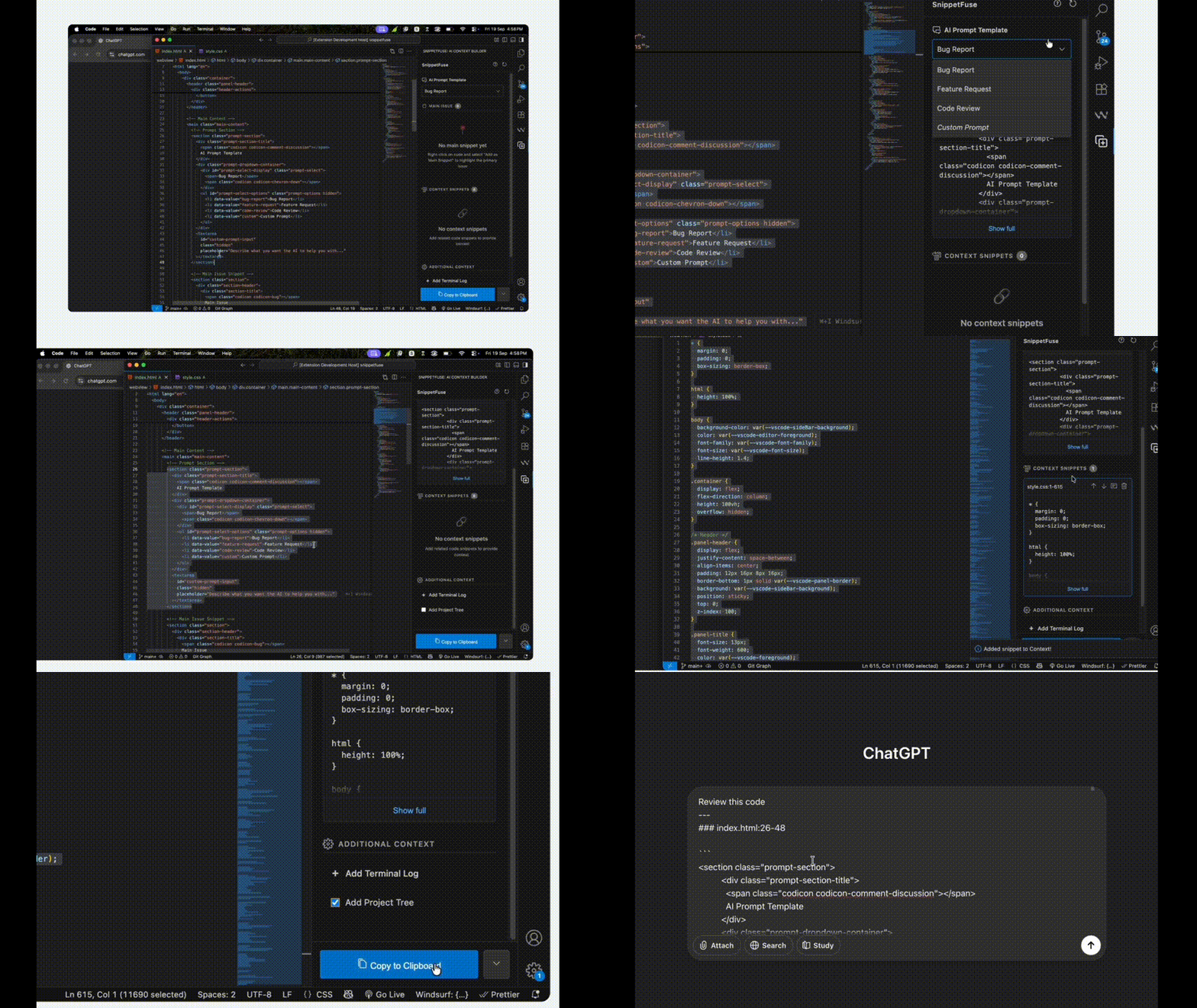
SnippetFuse is a tool to copy project codebase as prompts to LLMs. It allows you to package code snippets, terminal logs, git diffs, project structures and copy to clipboard for LLMS like Claude, ChatGPT and Gemini.
SnippetFuse uses a Smart Suggestions Engine to read your code and recommend the exact dependency files you forgot to include.


✨ Why SnippetFuse? (Features)
SnippetFuse gives you full visual control over what you send to the AI:
- 📦 Unified Context View: A single, intuitive list for all your context. Drag and drop to reorder, and use the Star icon (★) to highlight your "Main Issue".
- 🧩 Multi-Modal Context: Add multiple context types to be copied:
- Code Snippets: From any file, with line numbers.
- Terminal Logs: Capture command outputs directly from the terminal.
- Git Diffs: Add staged changes, unstaged changes, or recent commits.
- Errors & Diagnostics: Add problems directly from the editor menu.
- External Info: Add notes, documentation, or web solutions.
- 🧠 Smart Suggestions: SnippetFuse analyzes your code and automatically suggests relevant files you might have missed, for better AI results.
- 🌳 Project Tree Structure: Automatically generate an ASCII project tree (respecting
.gitignore) so the AI understands your architecture.
- 🎯 Built-In Prompt Templates: Pre-configured (and customizable) prompts (Bug Reports, Feature Requests, Deep Planning, Code Explanations, etc).
- 📊 Token Counting: Live token estimation for major models (ChatGPT, Claude, Gemini) so you never blow out your context window.
- 📋 Multiple Export Formats: Copy directly to your clipboard, or export as Markdown (
.md), Text (.txt), or PDF file.
🛠️ How to Use
- Open the Panel: Click the SnippetFuse icon in the VS Code Activity Bar.
- Collect Context:
- Code Selection: Highlight code and press
Alt+C (or right-click -> Add Snippet).
- Main Issue: Highlight the broken code and press
Alt+M to mark it as the primary focus.
- Full Files: Right-click any file in the Explorer and choose "Add File to SnippetFuse" OR use the Quick Add Files button to select multiple files from your project.
- Terminal/Errors: Click the ❯_ icon in the panel to capture recent terminal output. Alternatively, click the yellow Lightbulb (Quick Fix) on any code error to instantly capture it with its surrounding lines.
- Organize: Open the SnippetFuse sidebar. Drag and drop your snippets to reorder them. Add extra notes or explanations directly to the cards.
- Enhance: Expand "Smart Suggestions" to add related files, check the "Include Project Tree" box, or capture your latest Git diff.
- Copy: Click Copy to Clipboard. Go to Claude/ChatGPT/LLM, paste, and hit send!
⚙️ Configuration
Customize SnippetFuse in your editor's settings (Ctrl+, → search "SnippetFuse"):
snippetfuse.prompts.default: Set your favorite default prompt.snippetfuse.prompts.bugReport: Edit the template for Bug Reports.snippetfuse.prompts.codeReview: Edit the template for Code Reviews.- ...and more for Feature Requests, Git Commits, etc.
🤝 Contributing
SnippetFuse is built by developers, for developers. It is open-source. Learn more on ourOfficial Website. If you have feature requests, bugs, or want to contribute:
If SnippetFuse saves you time, please consider leaving a ⭐ Rating & Review on the VS Code Marketplace!
License
MIT
| |

