@env-spec VSCode Extension
This VSCode extension adds @env-spec language support for your .env files.
This new DSL builds upon the common .env format, adding support for JSDoc style @decorator comments to provide additional metadata about your environment variables, and explicit function-call style values, to load data from external sources.

Using @env-spec enabled tools (like varlock) can use this additional information to securely load and validate your environment variables, without any additional custom code.
Features
- Syntax highlighting
- IntelliSense for decorators,
@type values, type options, resolver functions, and $KEY references
- Enum value completion for item values below
@type=enum(...)
- Inline validation for invalid enum values, incompatible decorators, and obvious static
@type mismatches
- Hover info for common
@decorators
- Better toggle-comment behavior (CMD+/), to enable/disable decorators within comment blocks
- Comment continuation (automatically continue comment blocks when you hit enter within one)
IntelliSense and diagnostics
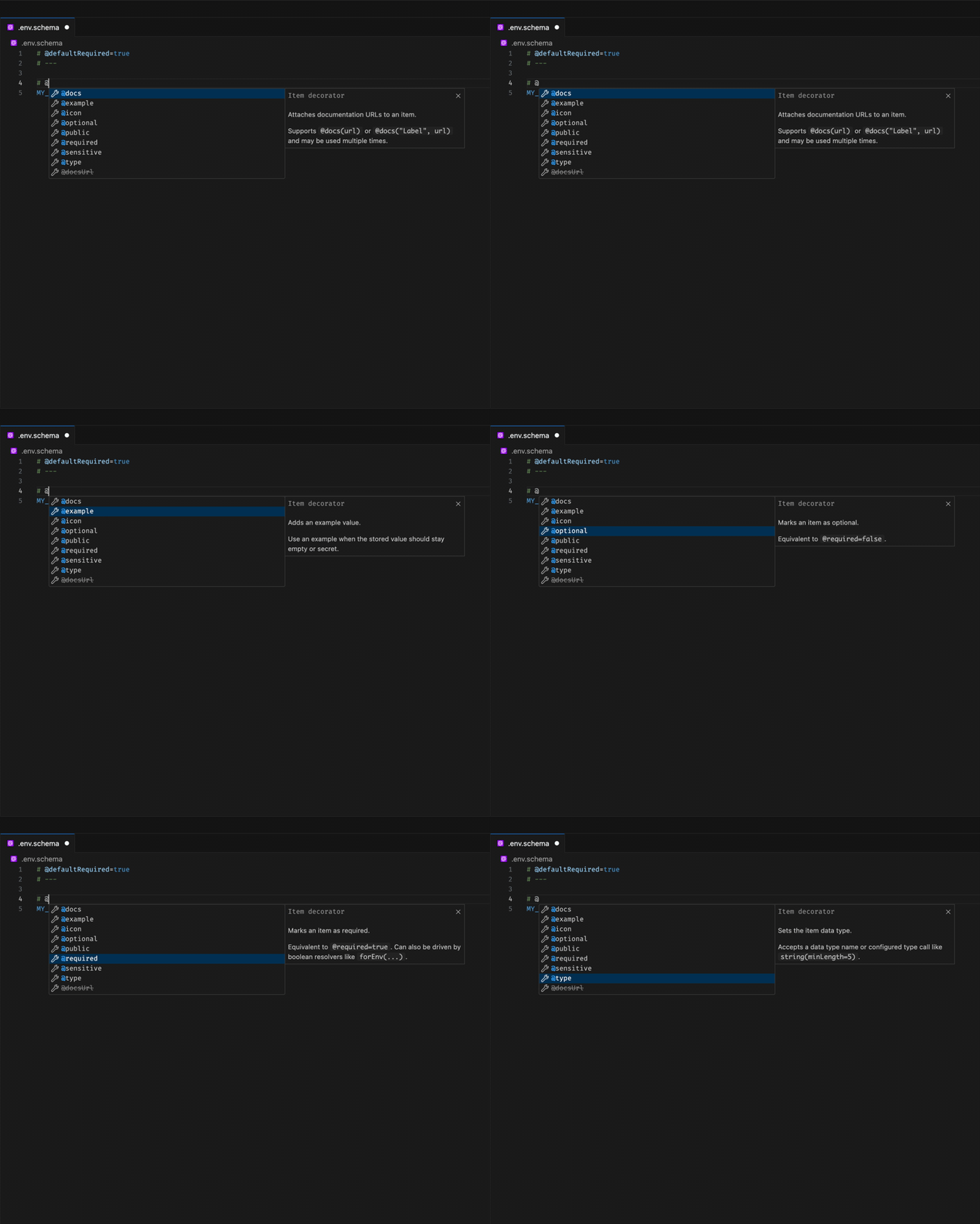
Decorators and built-in types
Get completions for common item and root decorators, plus built-in @type= values while editing comment blocks.
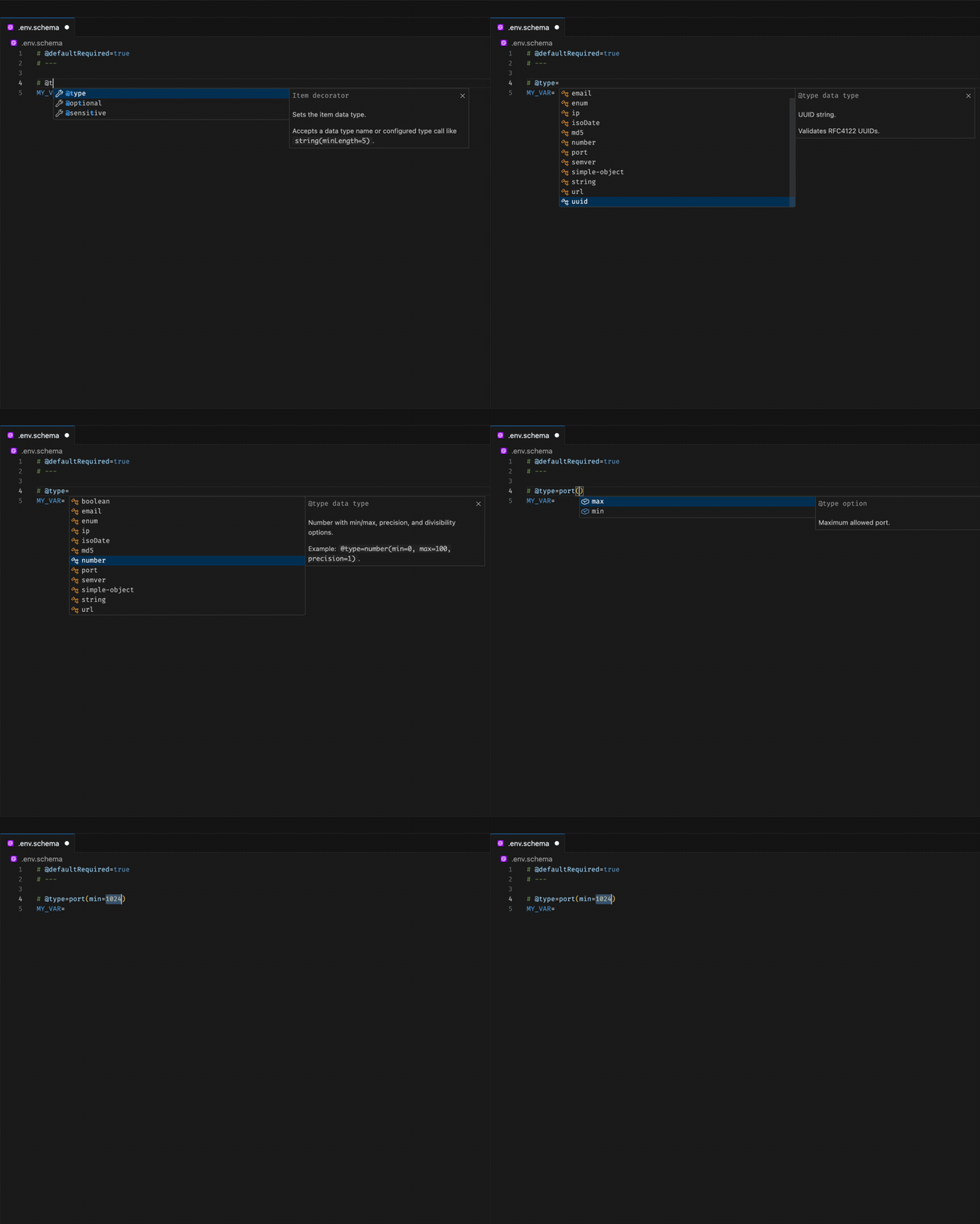
Type option completions
Built-in types surface context-aware option completions like email(normalize=...), ip(version=..., normalize=...), and url(prependHttps=...).
Email-specific option completions
Type-specific completions also work for focused cases like email(normalize=...), with boolean choice values suggested inline.
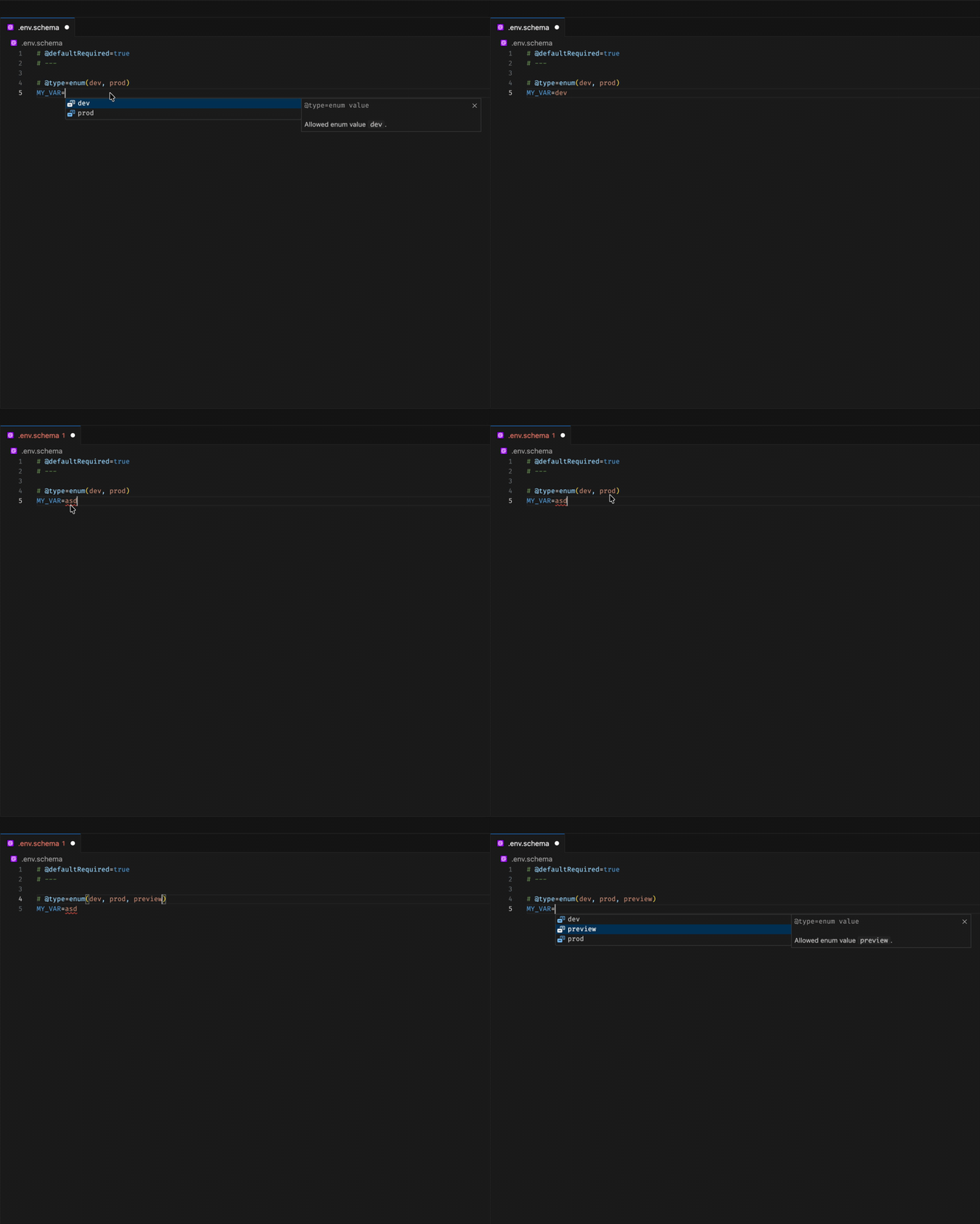
Enum value completions
When an item is declared as @type=enum(...), the allowed values are suggested directly on the item value line below.
Variable references
Typing $ inside values and decorator expressions suggests config keys from the current file.
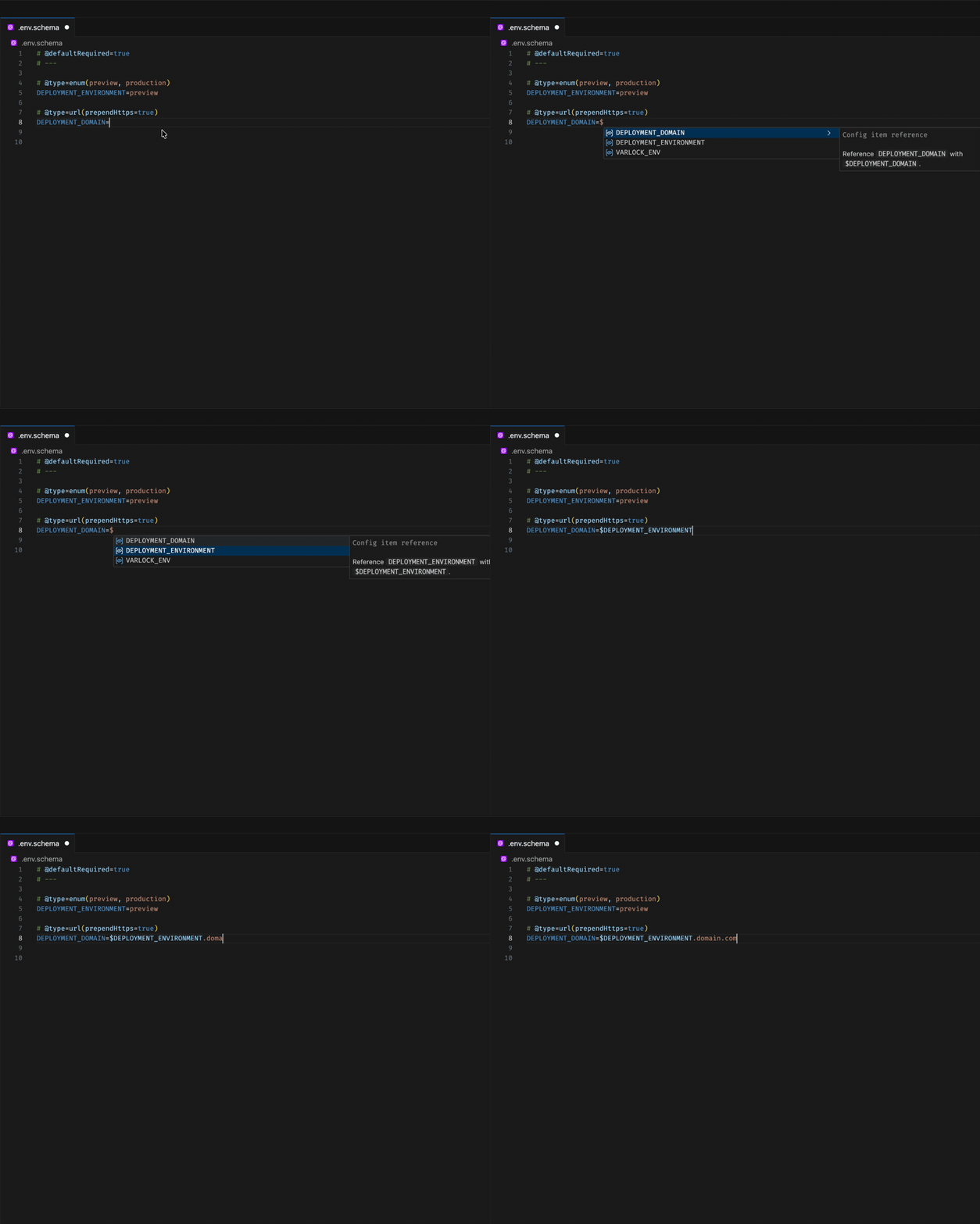
Prefix-aware completions
Decorator and validation workflows also support prefix-related configuration scenarios while editing schema comments.
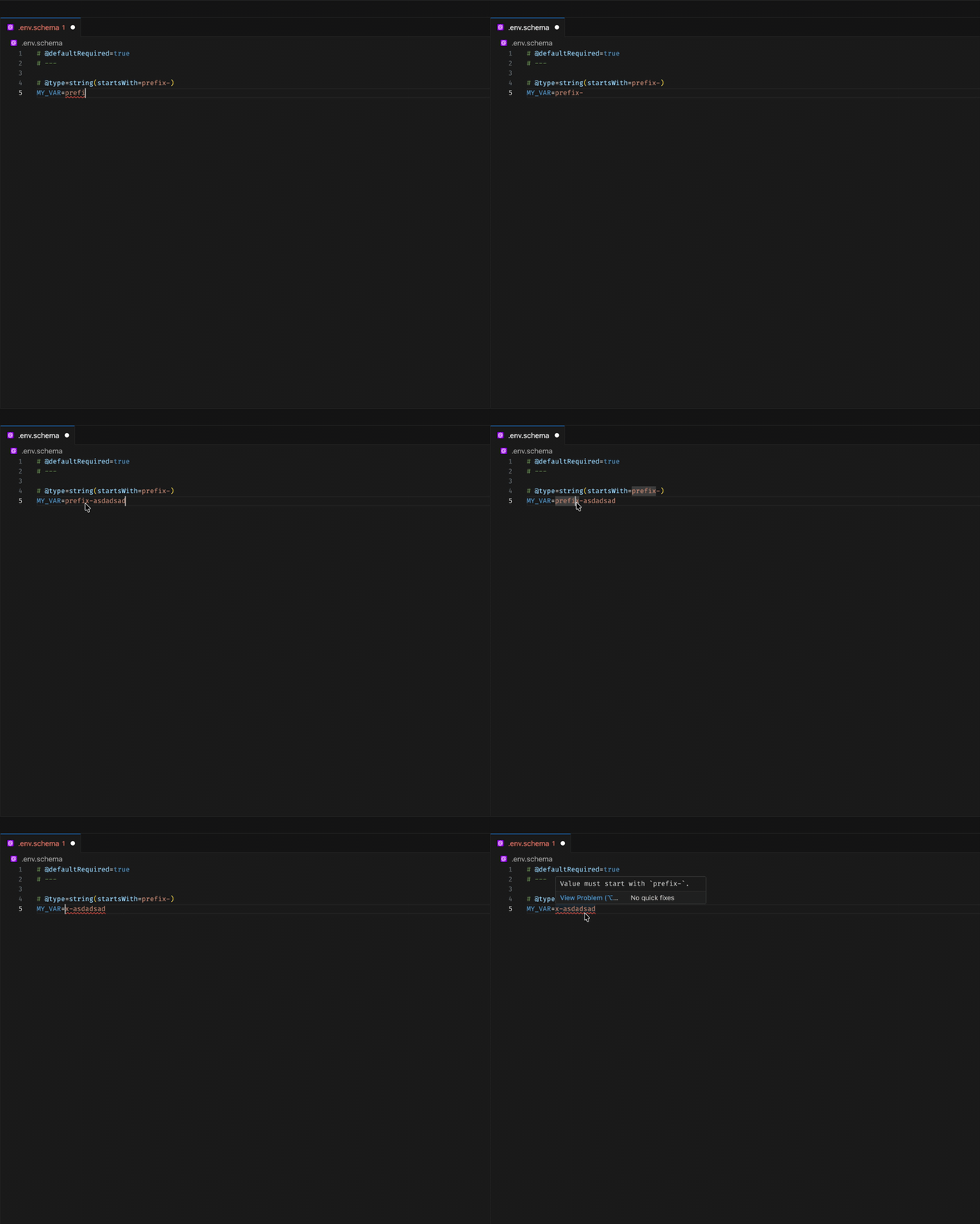
Invalid decorator combinations
Autocomplete filters out incompatible decorators like @required and @optional, and inline diagnostics catch invalid combinations if they still appear in the file.
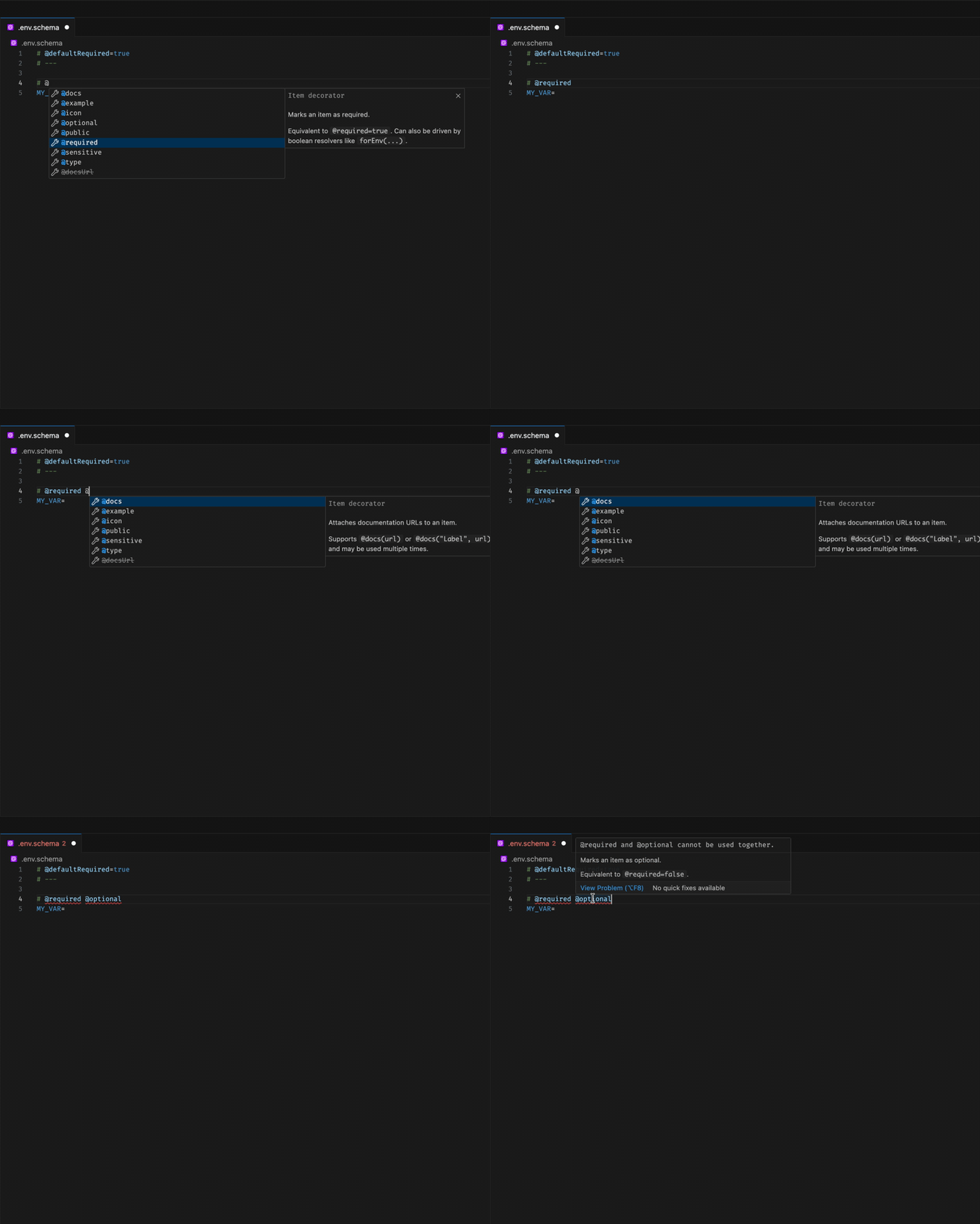
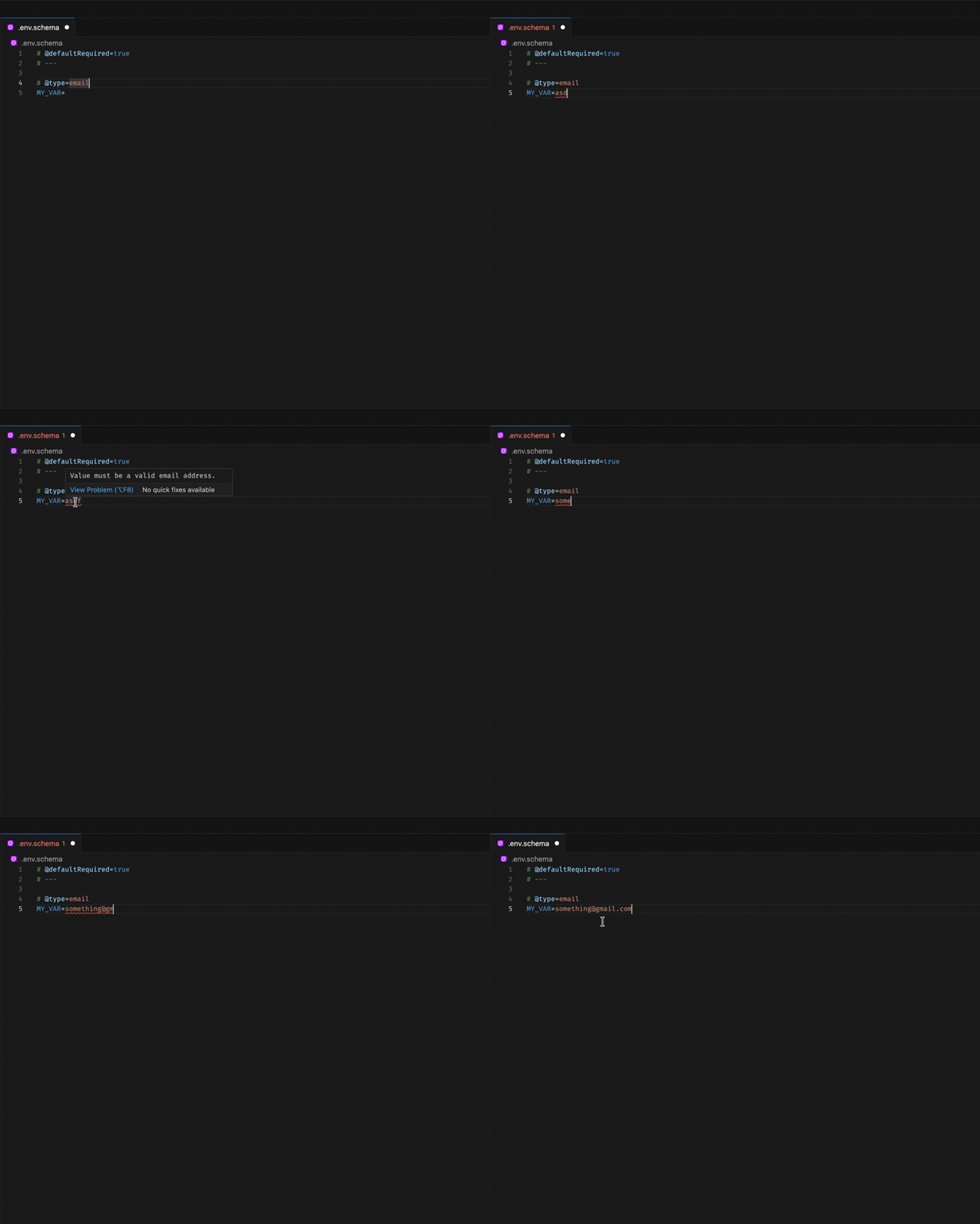
Inline validation
The extension also highlights obvious static validation issues, such as invalid enum values or incorrect prependHttps URL usage.
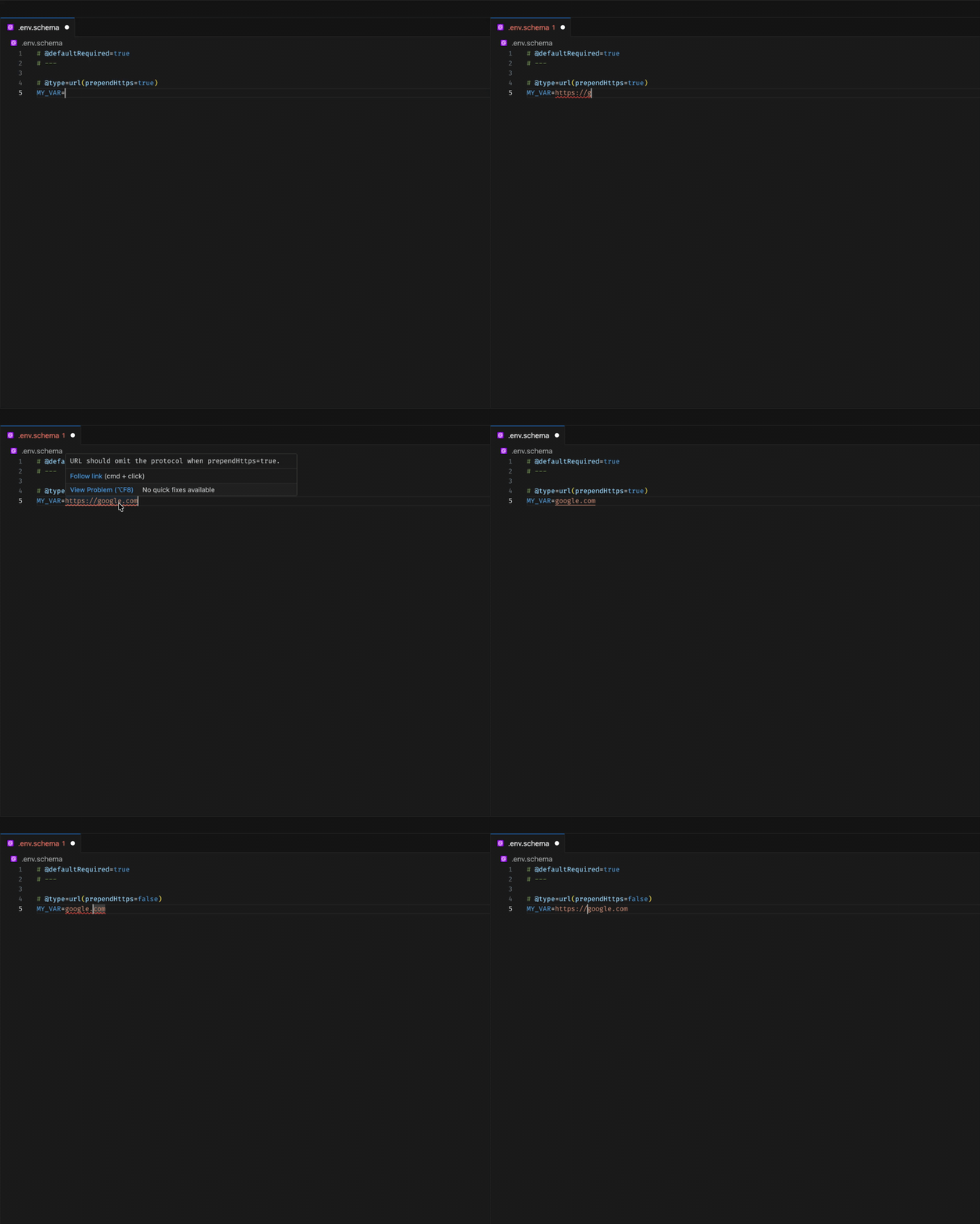
How to use this extension
The new @env-spec language mode should be enabled automatically for any .env and .env.* files, but you can always set it via the Language Mode selector in the bottom right of your editor.
Feedback, Contributing, Support
We are actively iterating on @env-spec and your feedback is invaluable. Please read through our RFC and let us know what you think!
For more immediate support, or to chat with us, please join our Discord.