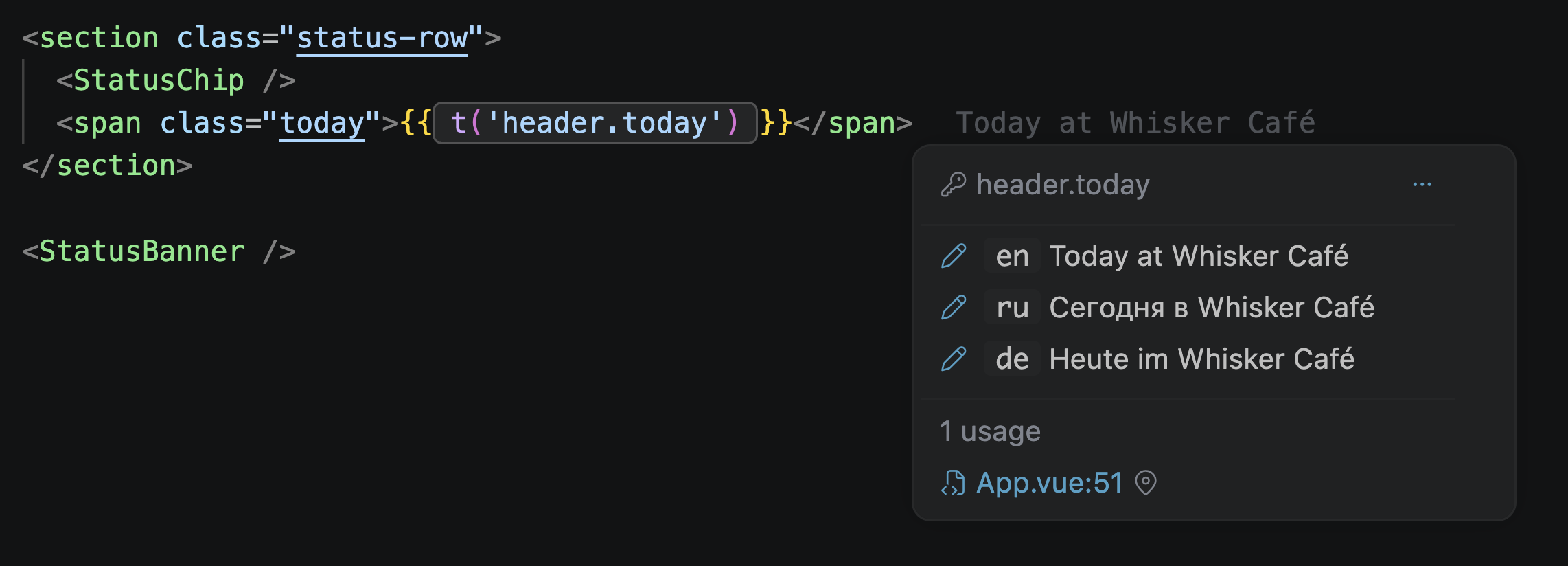
Loccy — modern i18n helper for React & Vue appsEvery keypath in your code shows its real translation inline. Hover it to read all locales, edit any of them in place, jump to every usage, rename globally. No more digging through JSON files.
Works with react-i18next, next-intl and vue-i18n, in all VS Code based editors. Docs → loccy.dev/docs/extension
SetupLoccy auto-detects the i18n setup of any open project. Zero-config, covers most projects. Still, add a Showcase: core features
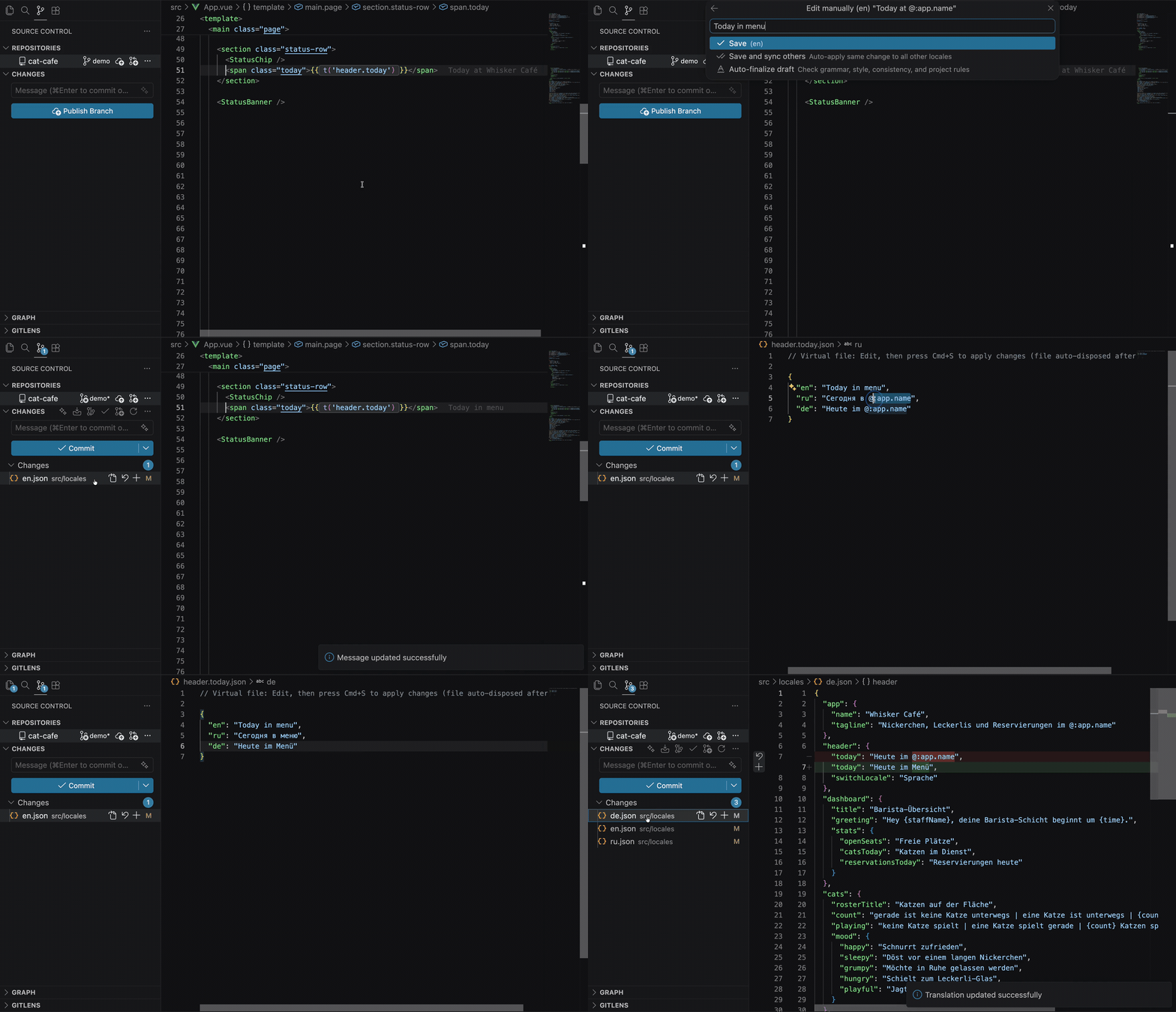
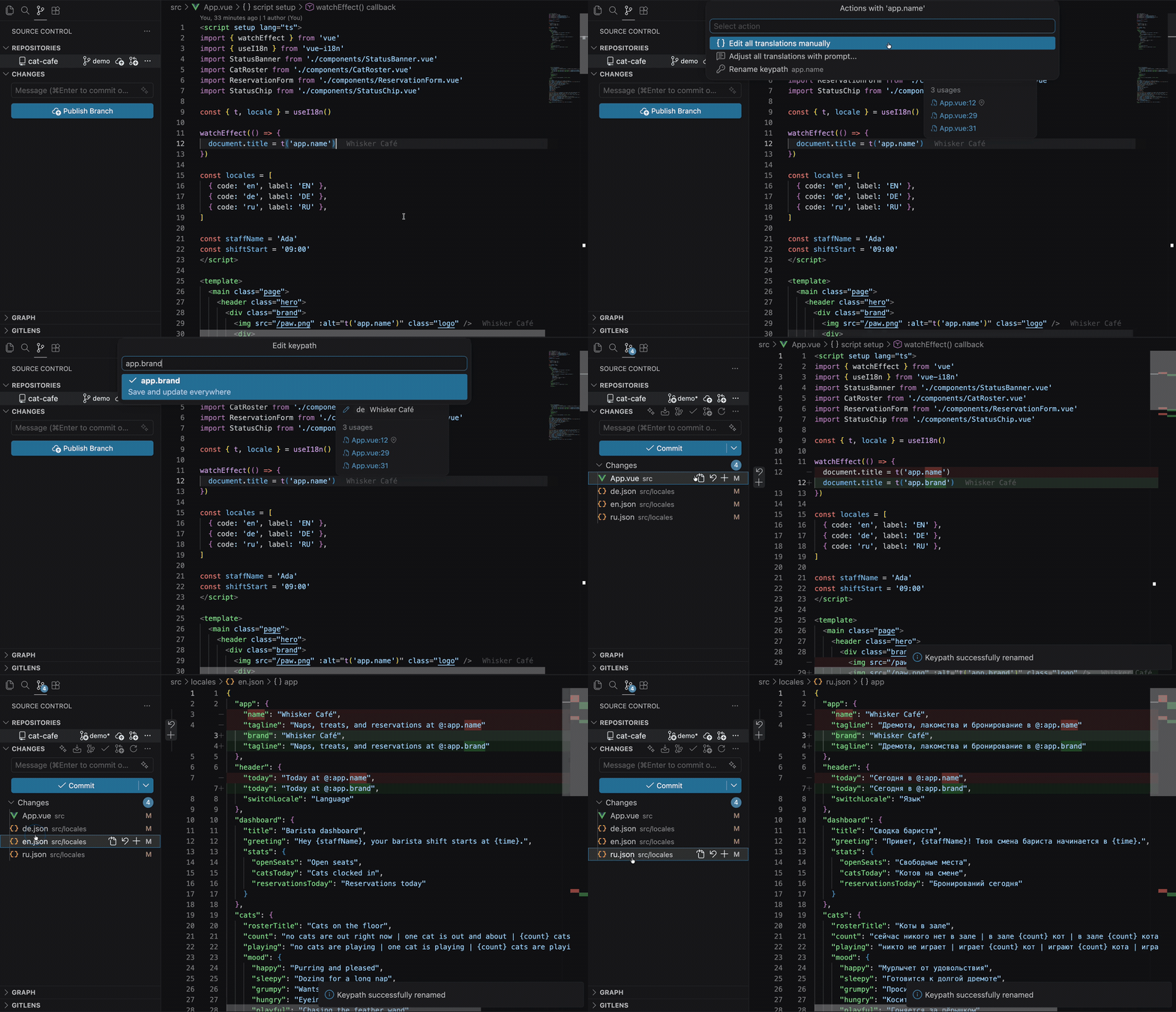
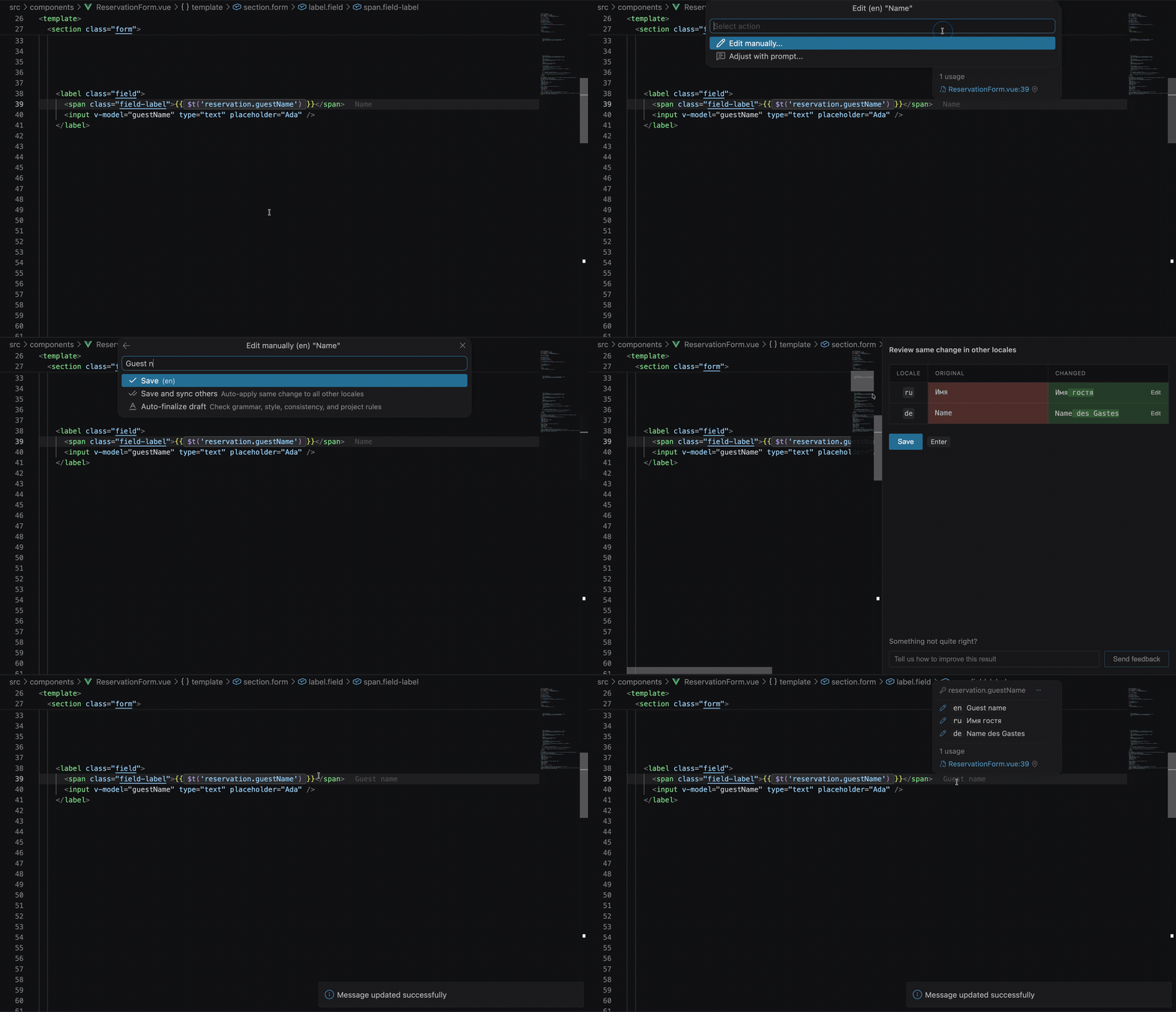
1 • Edit in placeClick the pencil button next to a translation in the hover menu to edit it directly. The change is written back to the JSON file without leaving your component. To edit every locale at once, click the three dots and choose Edit all translations manually.
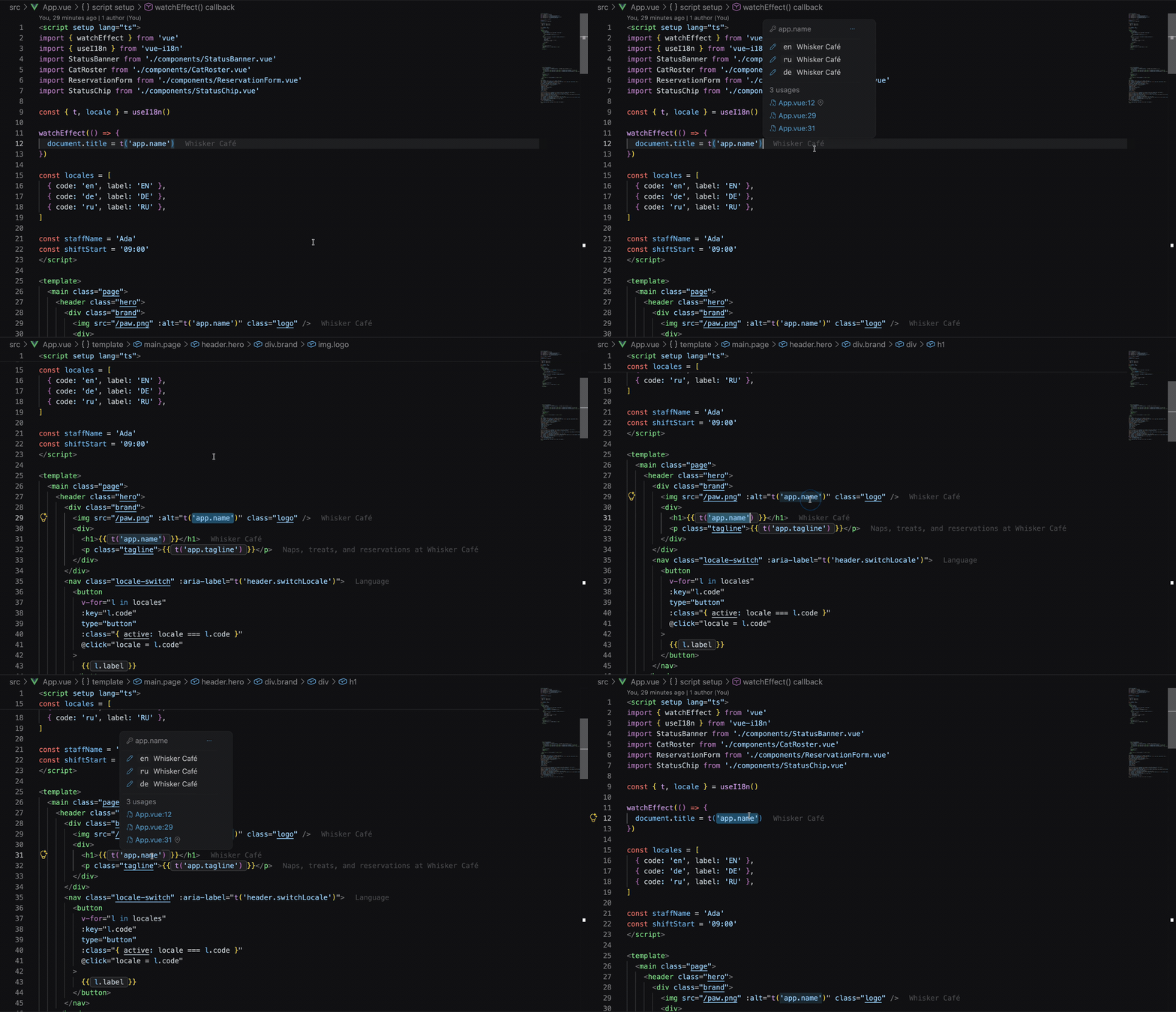
2 • Usage mapThe hover menu always lists every place in the project where the keypath is used. Check whether a message is shared before changing its wording, and jump straight to any usage.
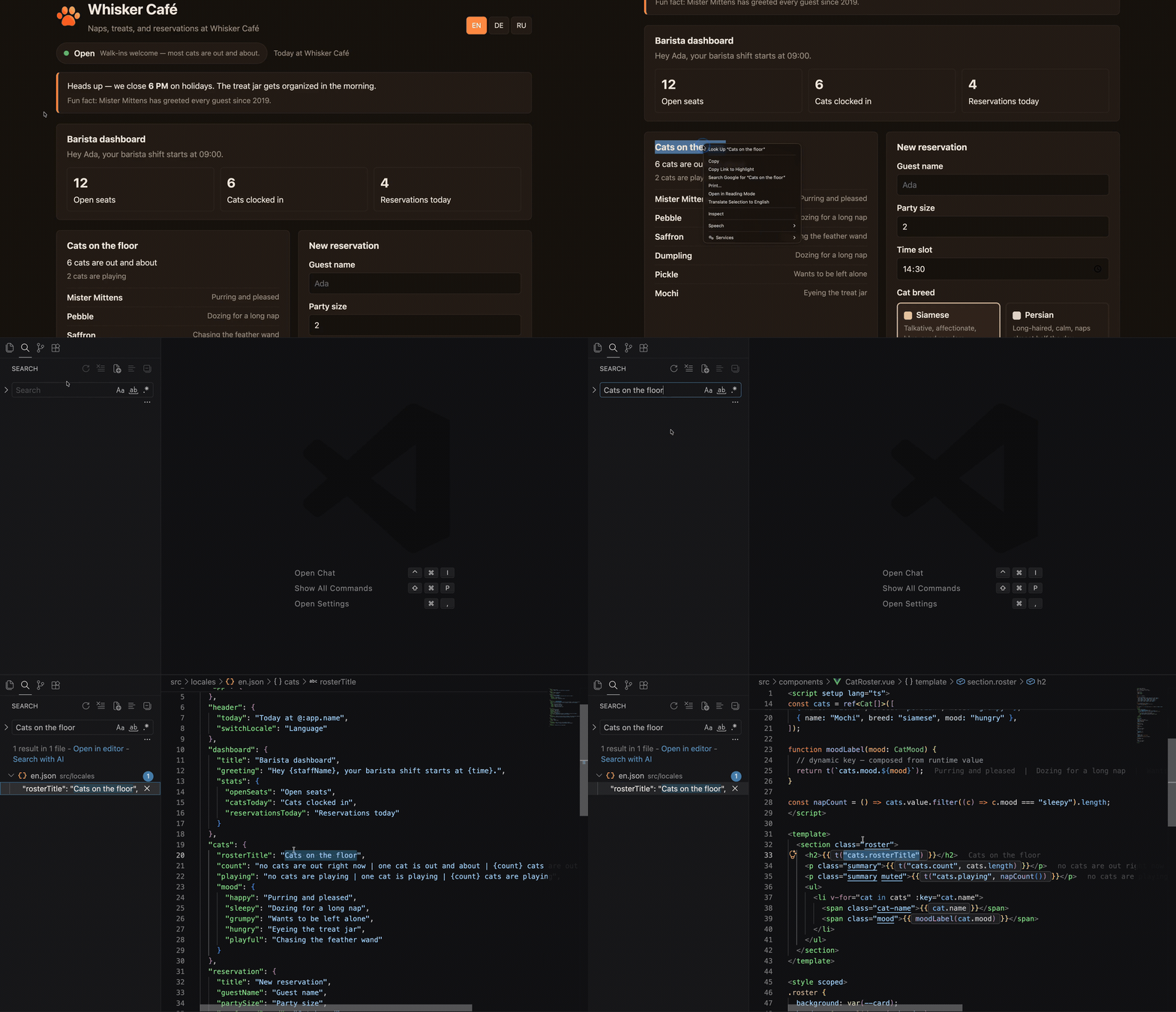
A popular bonus use: find a place in code by text. Paste a string copied from the rendered page into the editor's search, then hover the matching value in the JSON file. Loccy shows every place it's used.
3 • Global keypath renameClick the three dots in the hover menu and choose rename. Loccy renames the keypath everywhere, in all translation files and all code usages, in one operation.
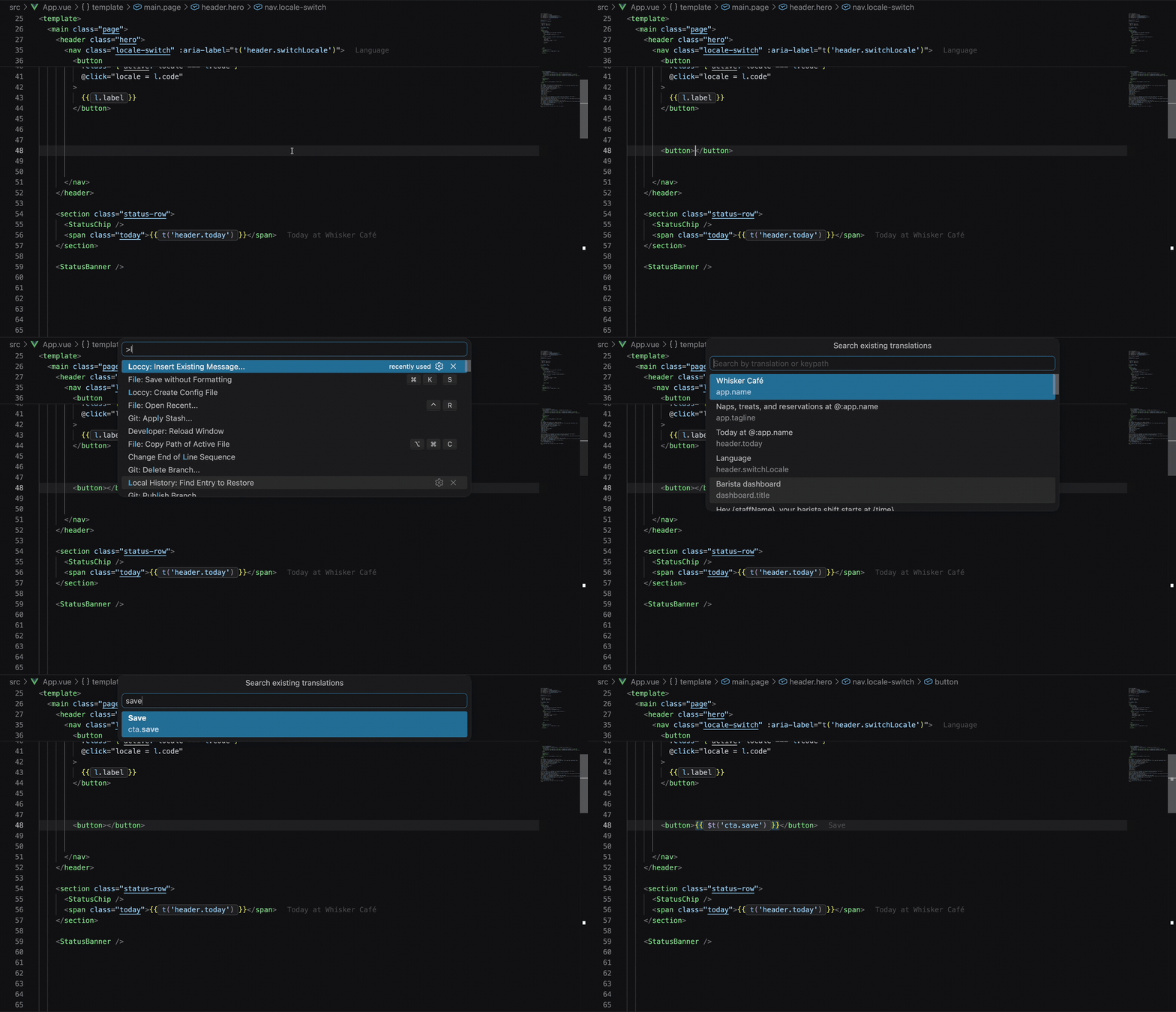
4 • Insert existing messageReuse a translation that already exists instead of creating a duplicate. Place your cursor where the keypath should go, run
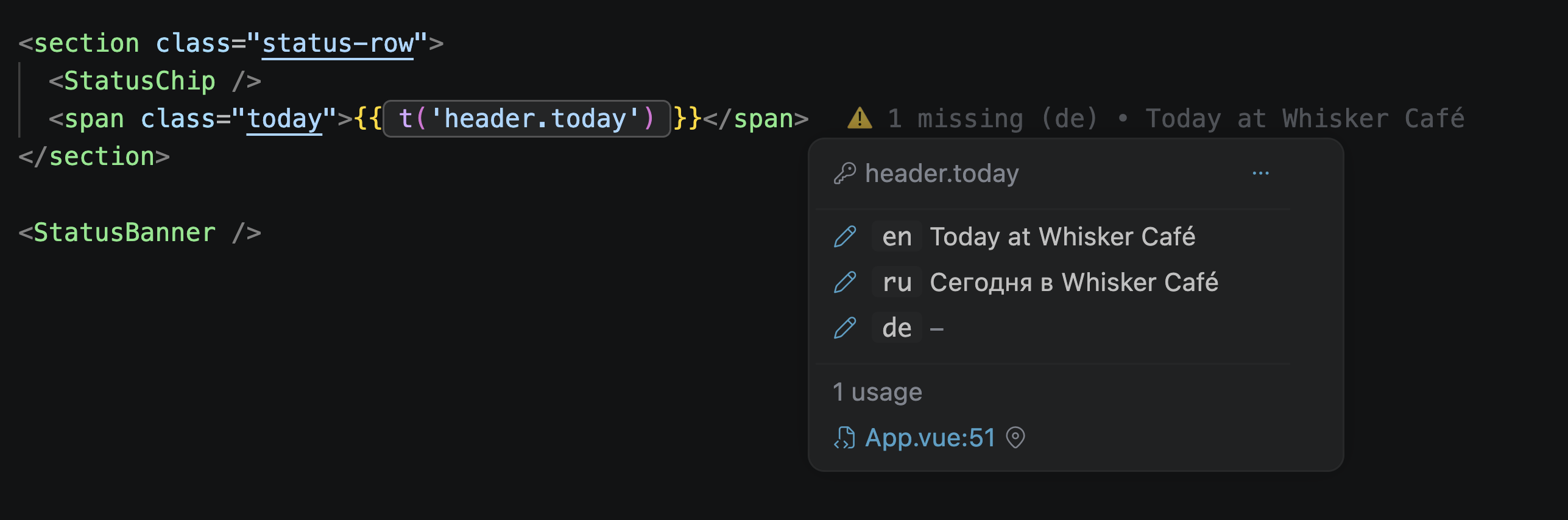
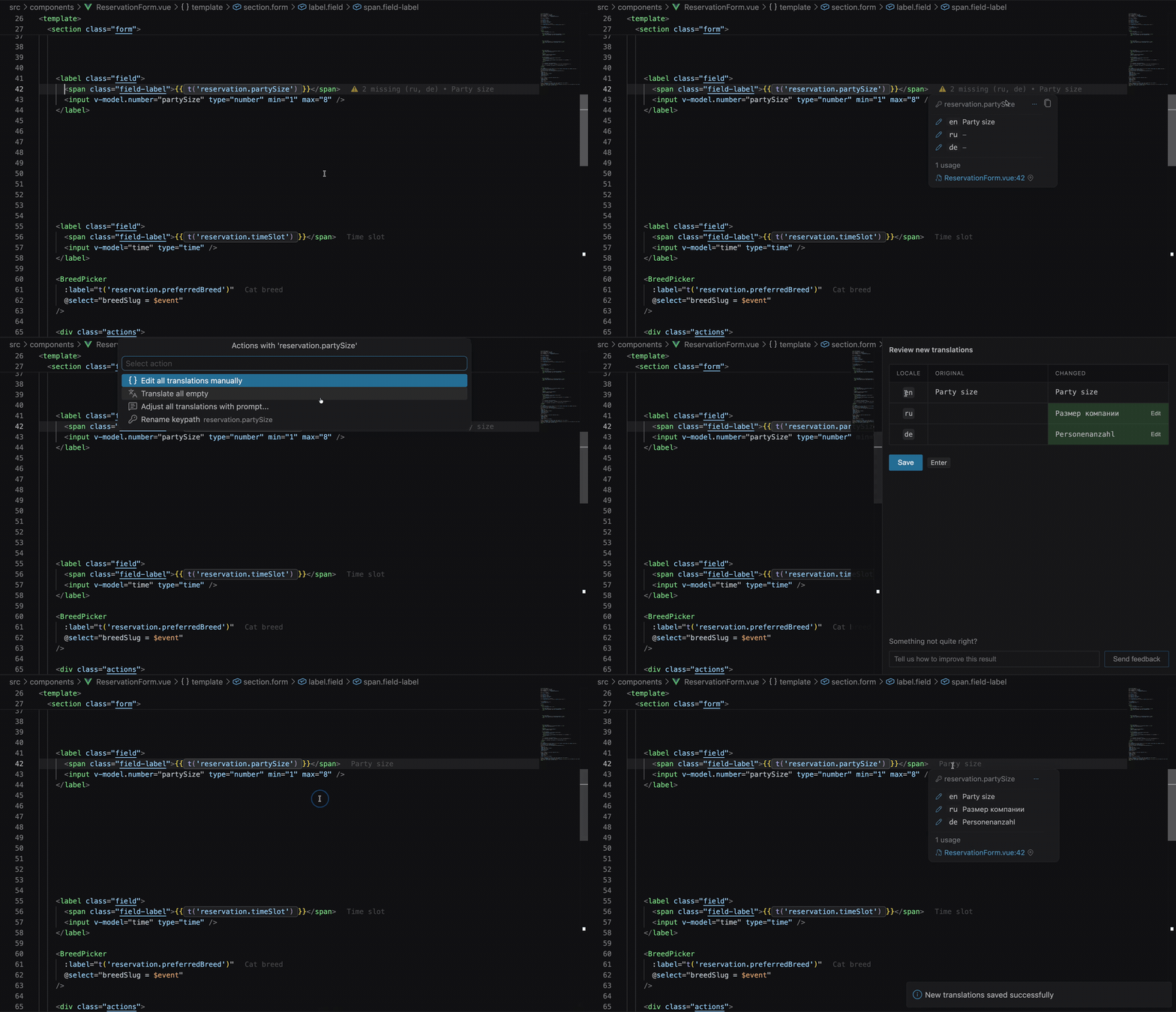
5 • Missing-translation warningsWhen a keypath has at least one empty or missing translation, the inline preview shows a warning.
Showcase: AI featuresNeed a paid subscription, which also helps fund the project. New accounts get free requests to start. Every action follows your
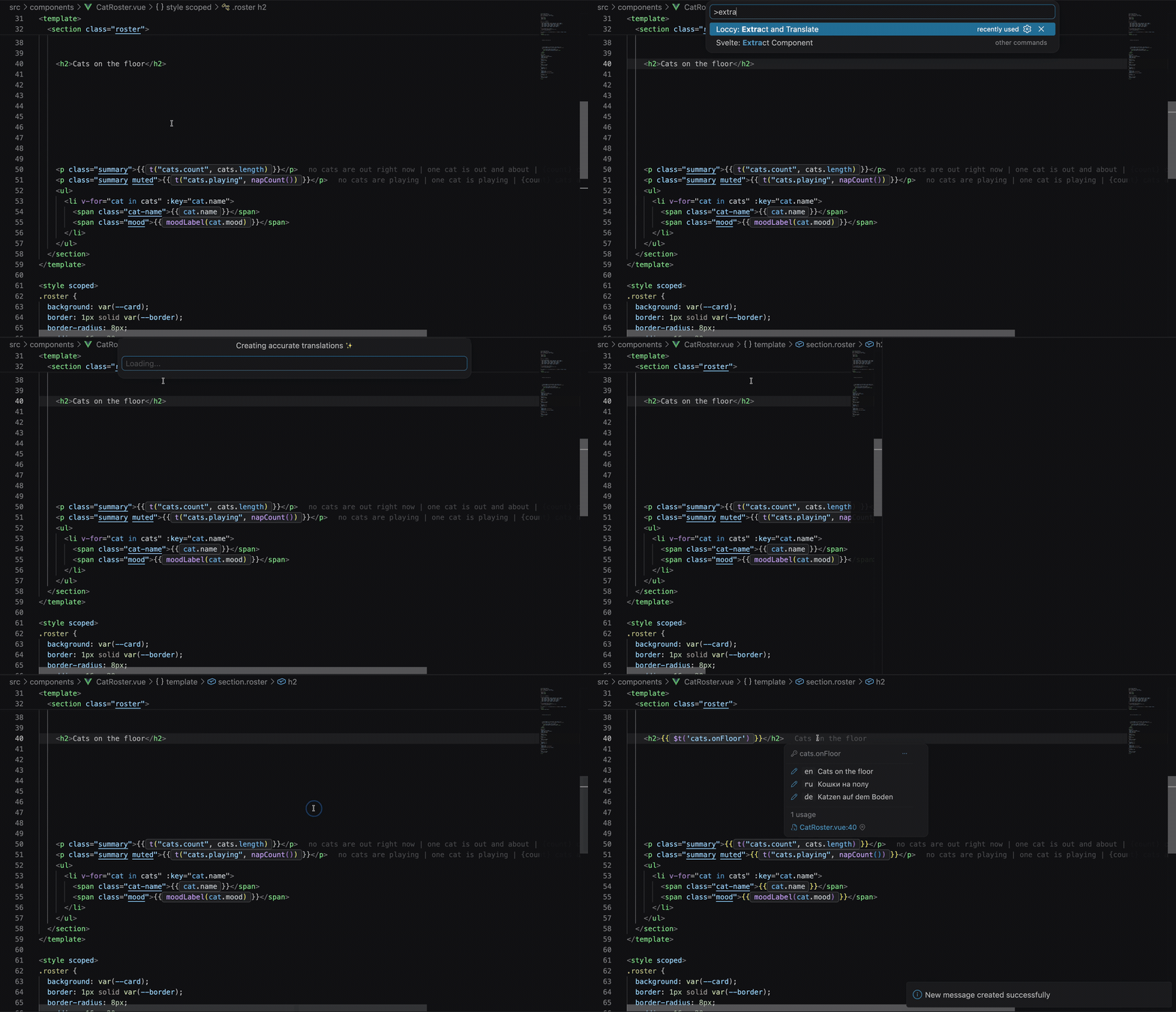
1 • Extract and TranslateTurns static text into a message in one step: generates the keypath and translations for all project locales. Place your cursor inside the static text and run No selection needed: other extensions make you select the full text, Loccy resolves the boundaries from a cursor sitting anywhere inside the string. A small detail, and a lot of work went into getting it right.
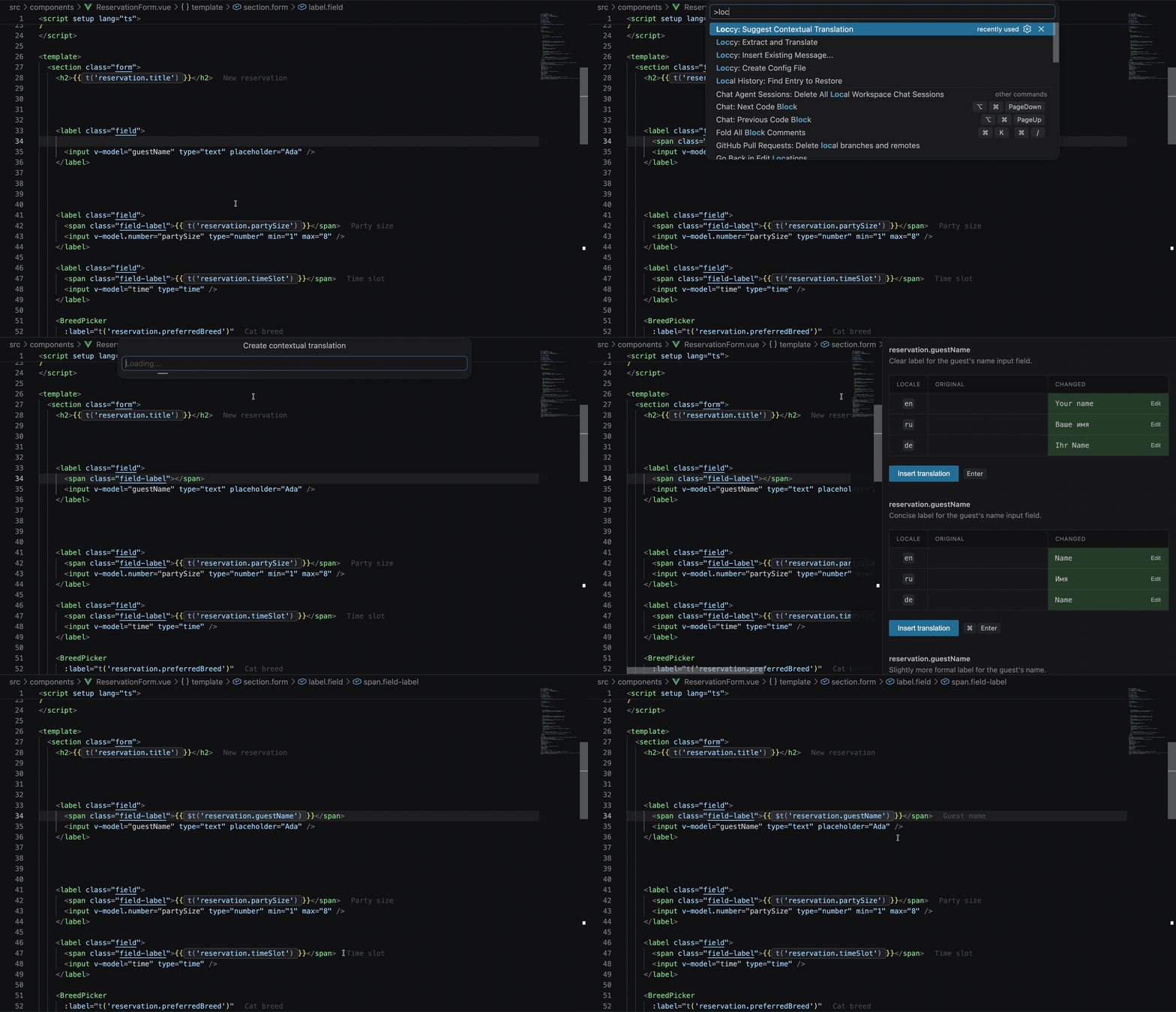
2 • Suggest Contextual TranslationCreates a message based on the surrounding code, for when you know a spot needs text but haven't drafted it yet. Place your cursor in the desired location and run
3 • Edit one translation, sync the restWhen you edit a translation from the hover menu, Loccy offers to update all other locales to match. Adjust the copy once in your native language and keep every locale consistent.
4 • Fill empty translationsAuto-fills all empty translations in a message. Click the three dots in the hover menu; the option appears when at least one translation is empty and at least one is filled.
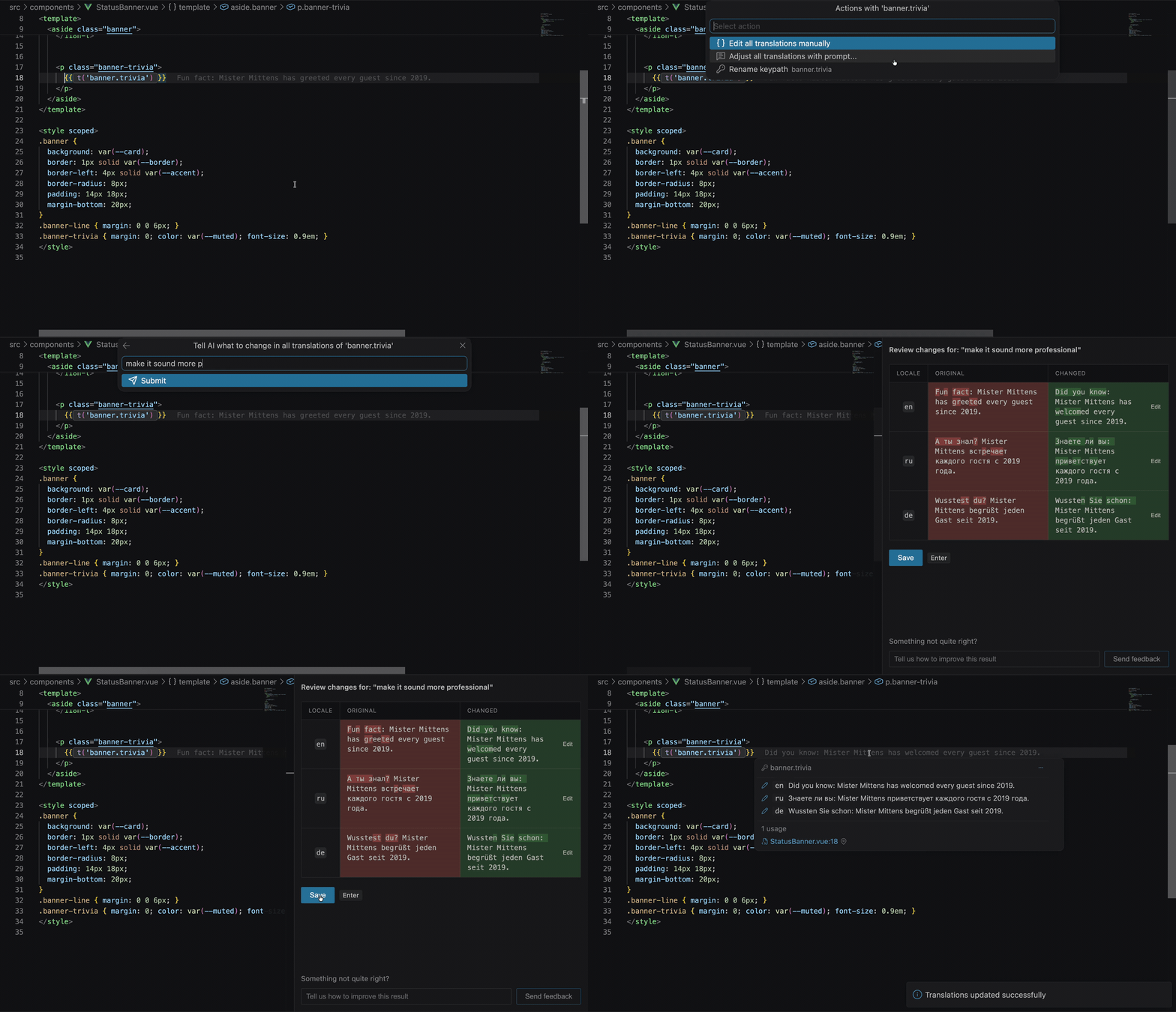
5 • Adjust with a promptRewrite text with a free-form instruction. For all translations at once, click the three dots in the hover menu. For a single one, click the pencil button, type the instruction instead of a new value, then choose Use as AI instruction (or Use as AI instruction for all locales).
Links |