Priority Dev Tools is a Visual Studio Code extension that provides an integrated development environment for Priority customization work. Edit triggers and procedure steps, run SQLI, navigate code, and prepare forms and procedures — all without leaving VS Code.
The extension connects to a Priority environment via OData and reflects changes back to Priority in real time.
⚠️ The Priority Dev Tools extension is currently in beta and some features are still in development.
Features at a Glance
Environments Explorer
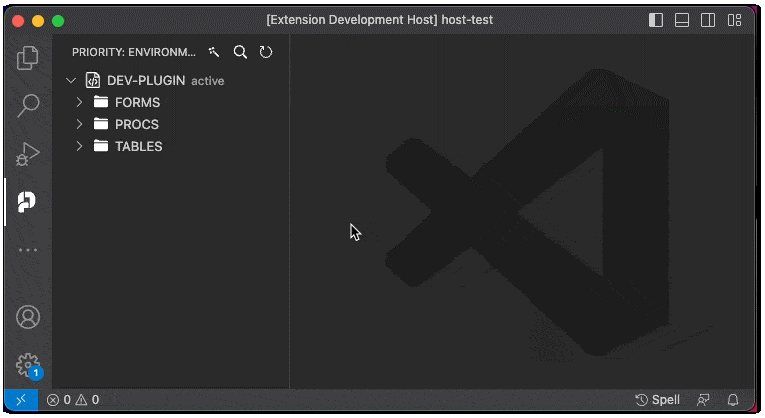
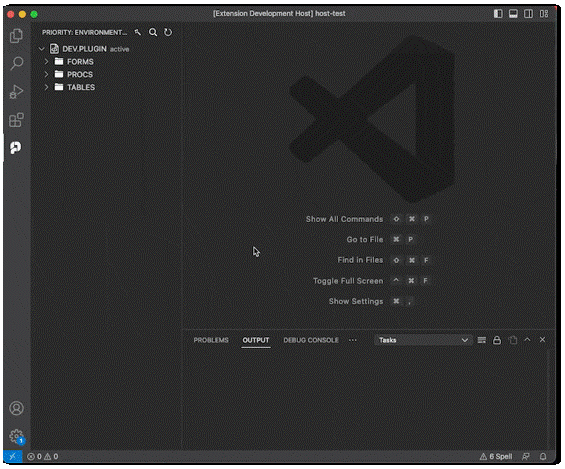
Browse all connected Priority environments from the Activity Bar. Each environment exposes expandable FORMS, PROCS, and TABLES folders.
- Click any form, field, procedure step, or table to open it in the editor
- Saving a file updates Priority immediately
- Breadcrumbs at the top of the editor show the full entity path for quick navigation
Code Editing Features
Syntax Highlighting
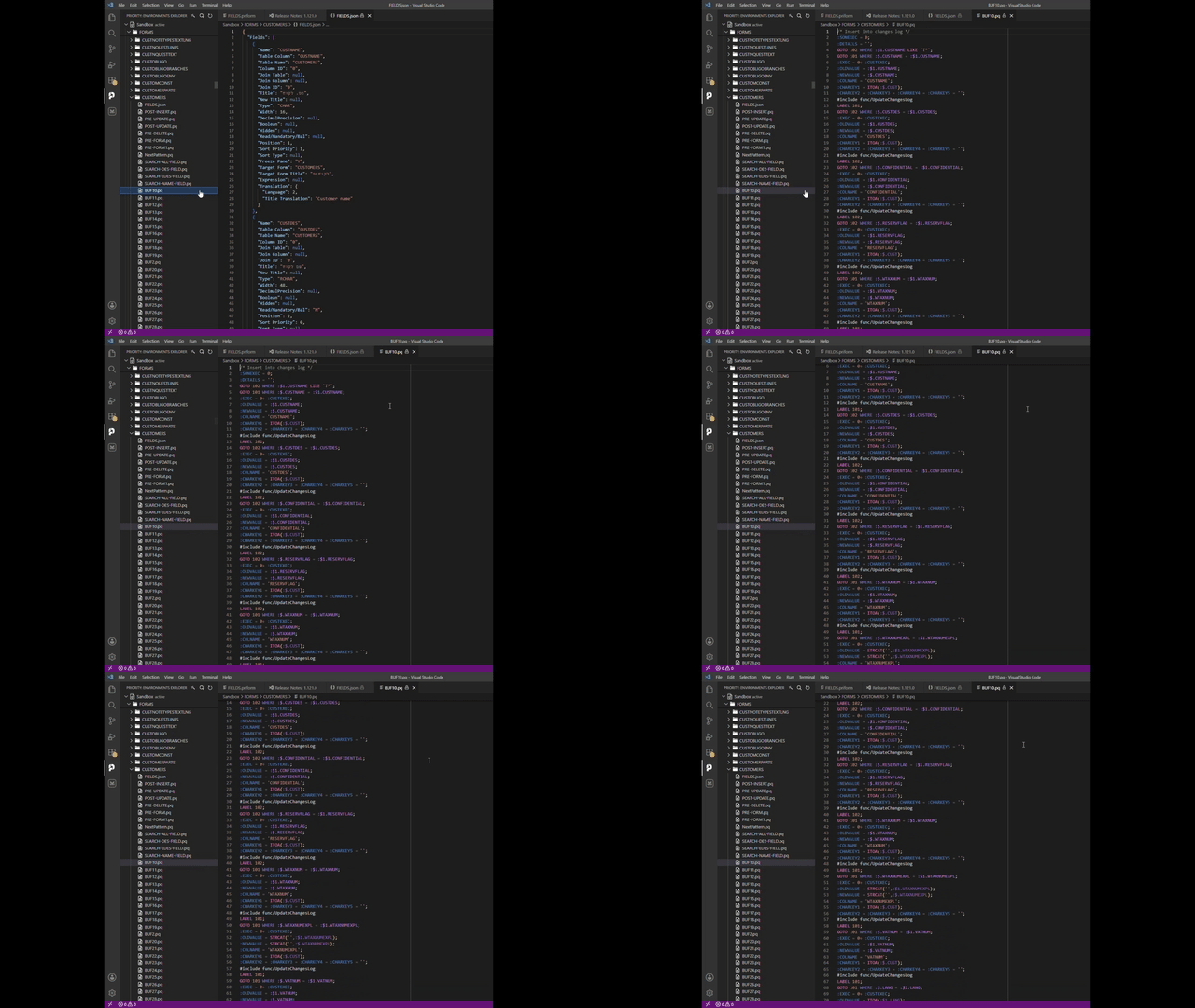
Full syntax highlighting for Priority SQL — cursors, system variables, built-in functions, keywords, labels, and comments. Adapts to your active VS Code theme.
SQLI Syntax Checking
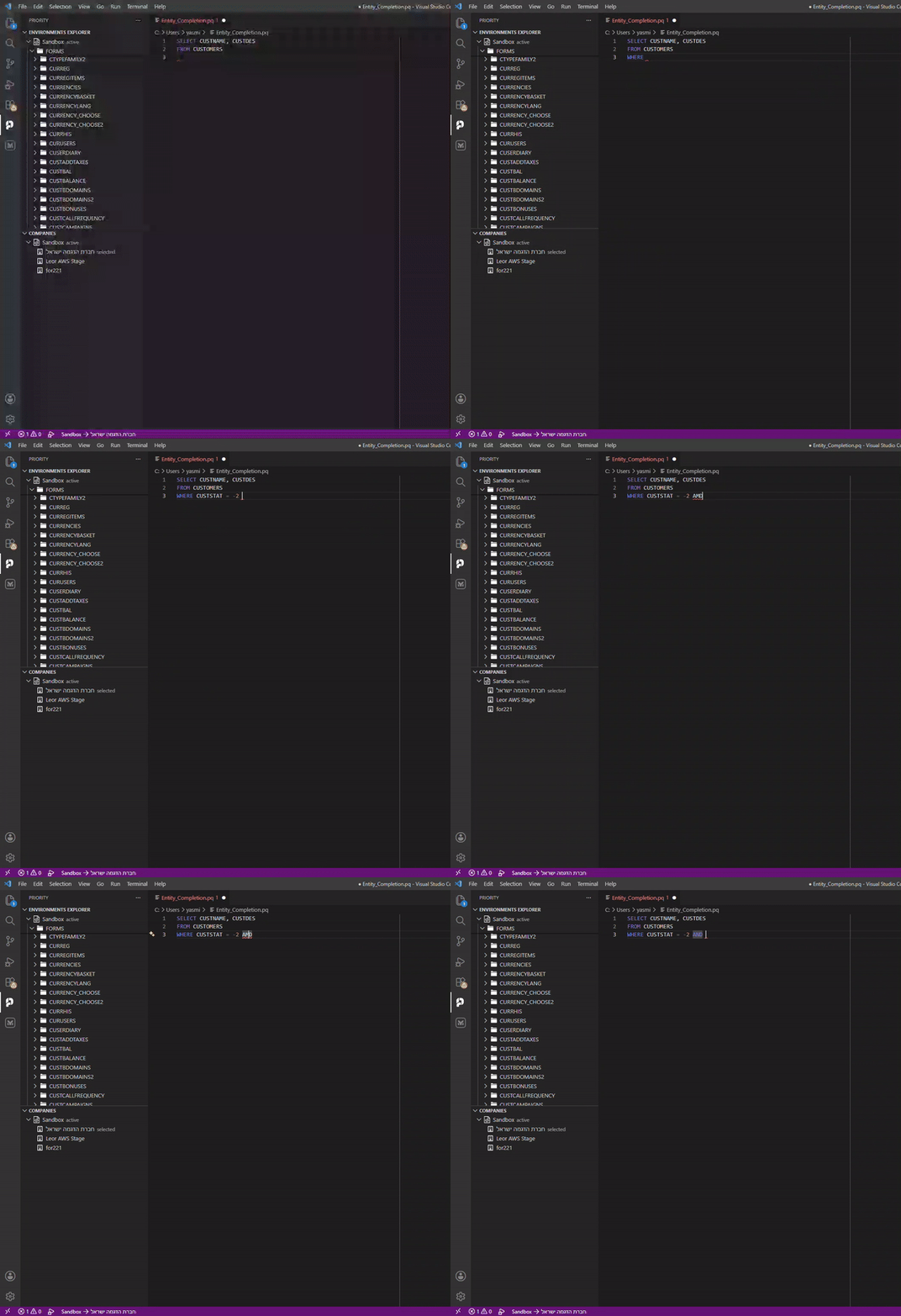
.pq files are validated as you type. Syntax errors are underlined in red; hover to see error details.
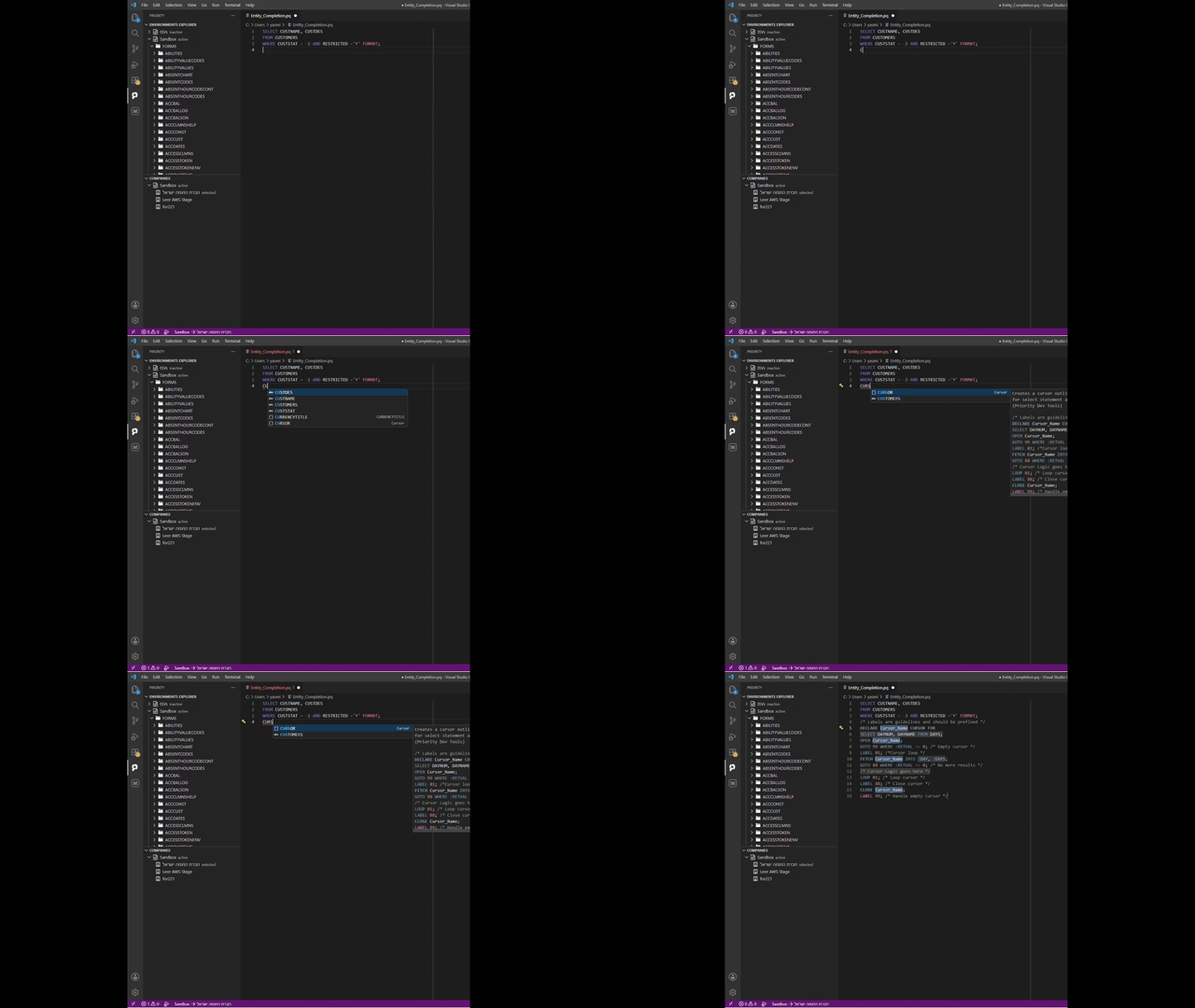
Code Completion (IntelliSense)
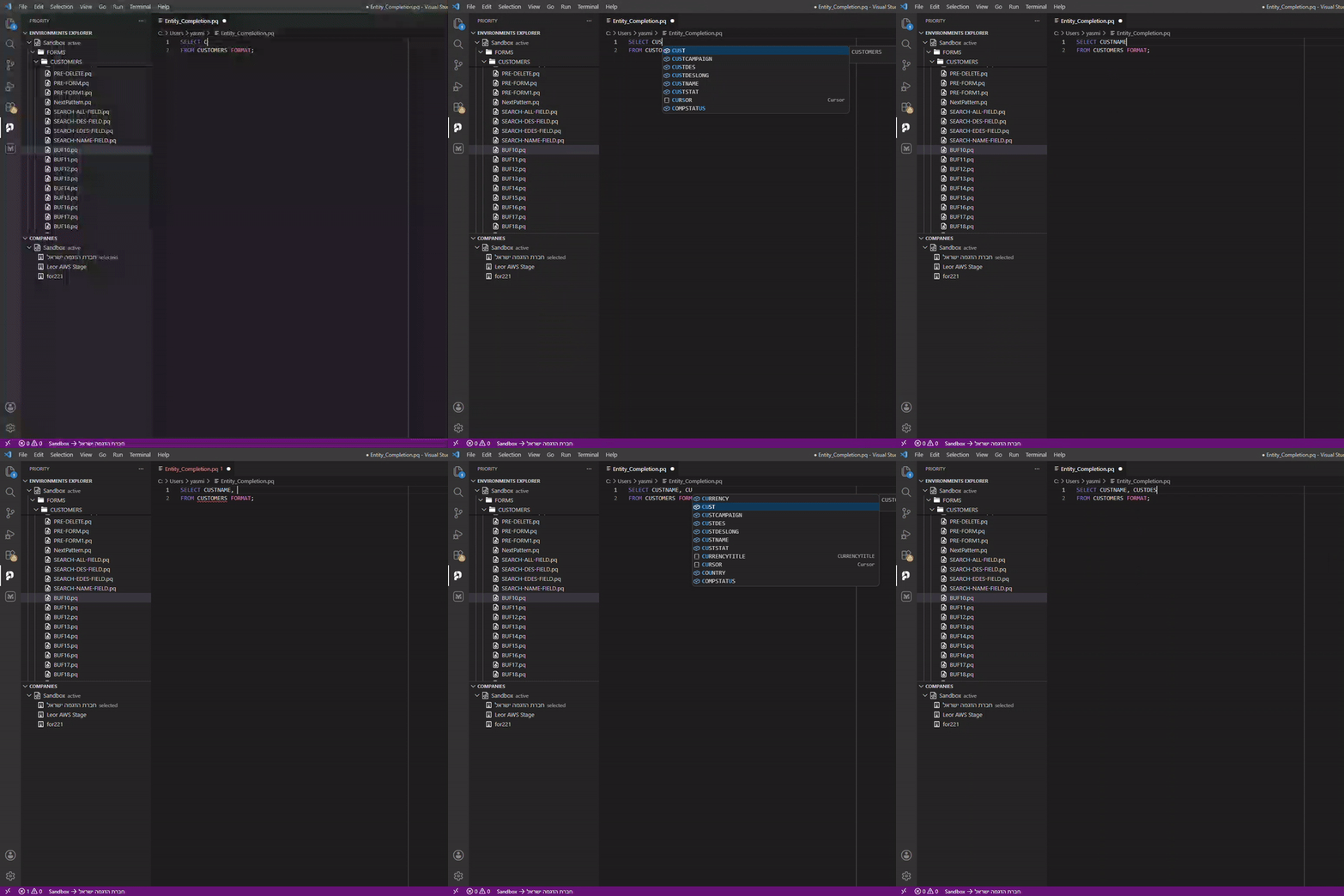
Press Ctrl+Space to trigger completions for table names, form names and fields, form triggers, keywords, and #INCLUDE statements.
Code Snippets
Ready-made snippets for built-in Priority functions insert boilerplate structures for common SQLI and trigger operations.
#INCLUDE Statements & Go to Definition
- Go to Definition (
Ctrl+Click / F12): Navigate to table definitions, #INCLUDE targets, and label definitions referenced in GOTO statements.
- Peek Definition (
Alt+F12): View definitions inline without leaving the current file.
Inline Error Preview
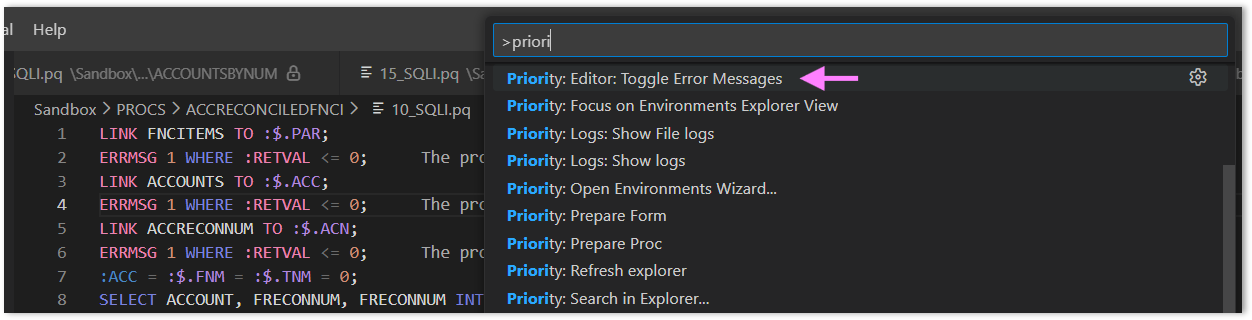
Displays the text of Priority error and warning messages inline next to ERRMSG and WRNMSG calls — no need to look up message numbers manually.
Enable via Command Palette (F1) → Priority: Editor: Toggle Error Messages.
Direct Code Editing (F6)
When the USEVSCODE system constant is set to 1, pressing F6 from any trigger or procedure step query in Priority opens the corresponding file in VS Code at the exact code line.
Creating & Managing Triggers and Steps
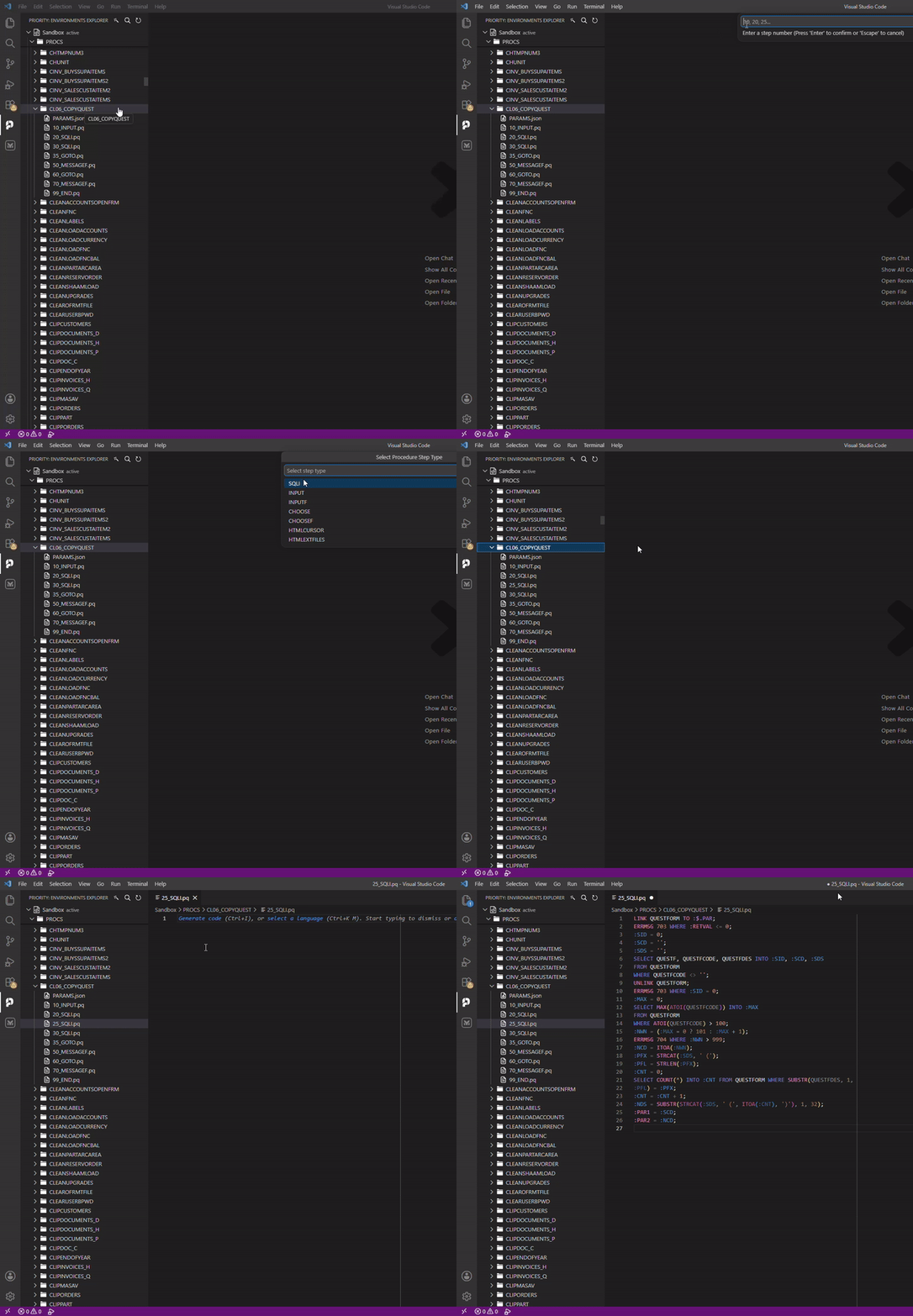
Create and delete form triggers and procedure steps directly from VS Code — no need to open the Form or Procedure Generators in Priority.
- Right-click a form in the Environments Explorer → Create Form Trigger or Delete Form Trigger
- Right-click a procedure → Create Procedure Step or Delete Procedure Step
- New SQLI steps open immediately in the editor after creation
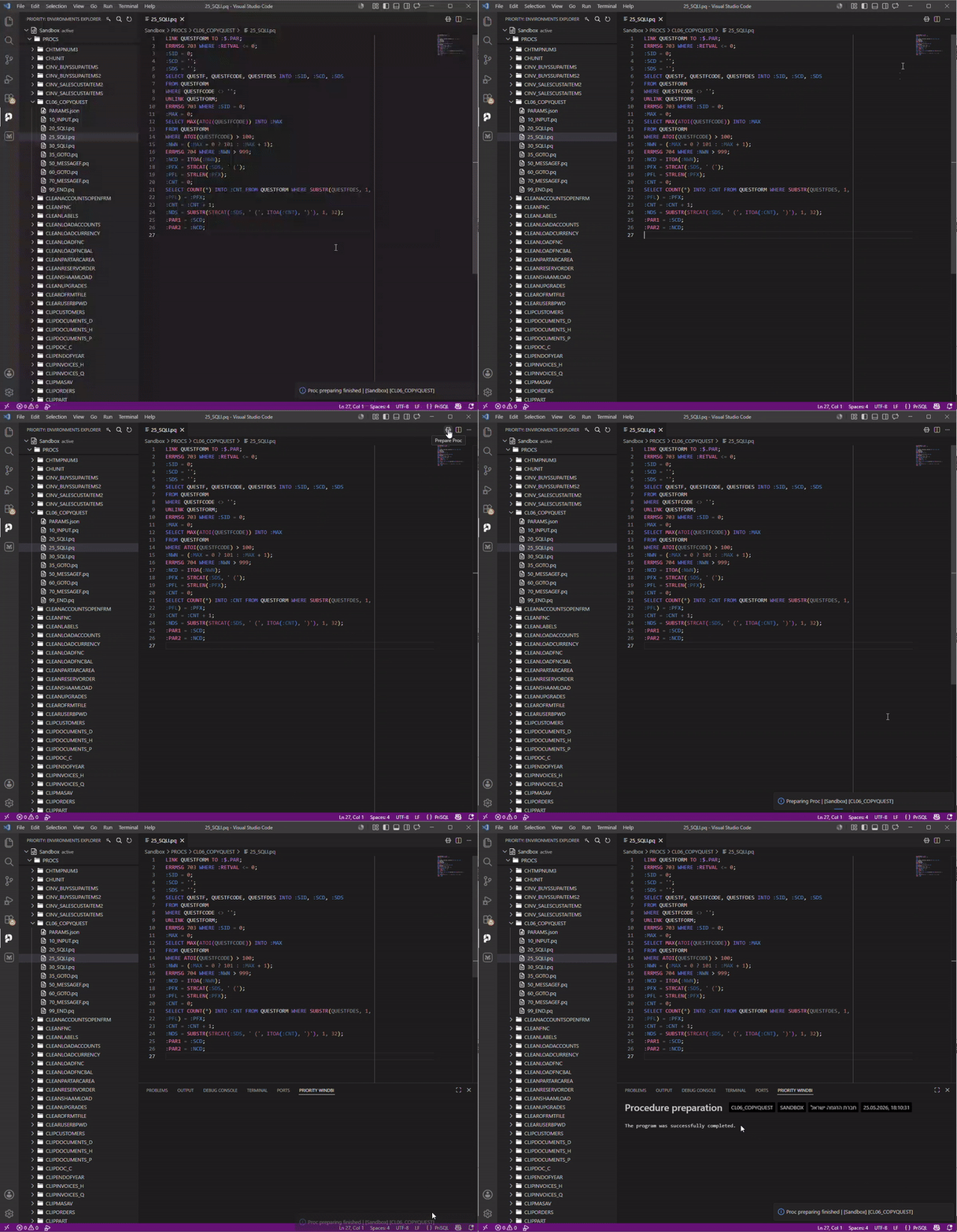
Run form and procedure preparation without leaving VS Code.
- Open any form or procedure file and click the Preparation icon in the editor toolbar
- A progress notification appears during execution; results are shown in the output console
WINDBI
The extension embeds full WINDBI functionality — an SQLI development and diagnostics console — directly in VS Code.
- Run SQLI from any
.pq file: click the ▶ button, press Alt+X, or use the Command Palette
- The WINDBI Results Panel shows query results, metadata (environment, company, timestamp, duration), and error messages
- Company background color matches the Color field defined in the Companies form for easy identification
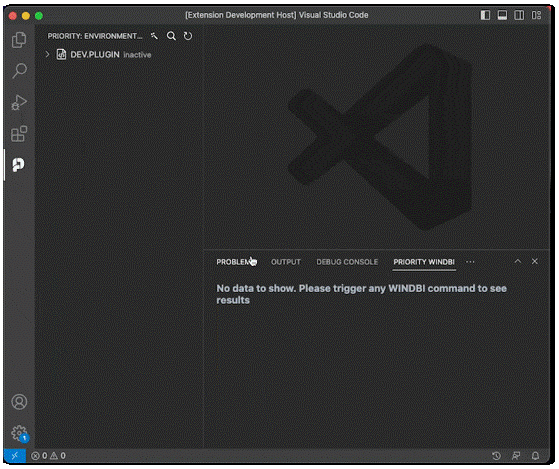
Companies Explorer
Switch between companies without leaving VS Code. The Companies Explorer appears below the Environments Explorer when a .pq file is active. Click a company to make it active; selection is saved per environment.
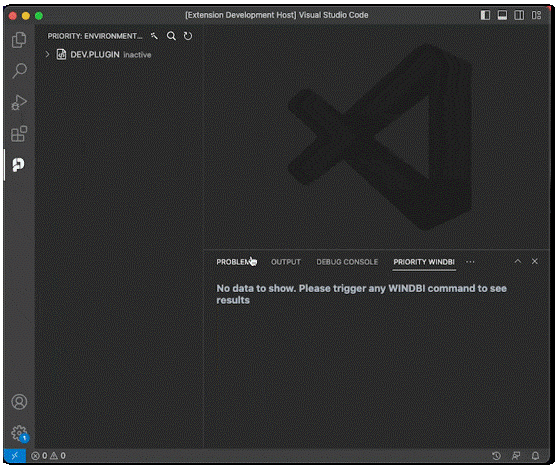
Find String / Code Search
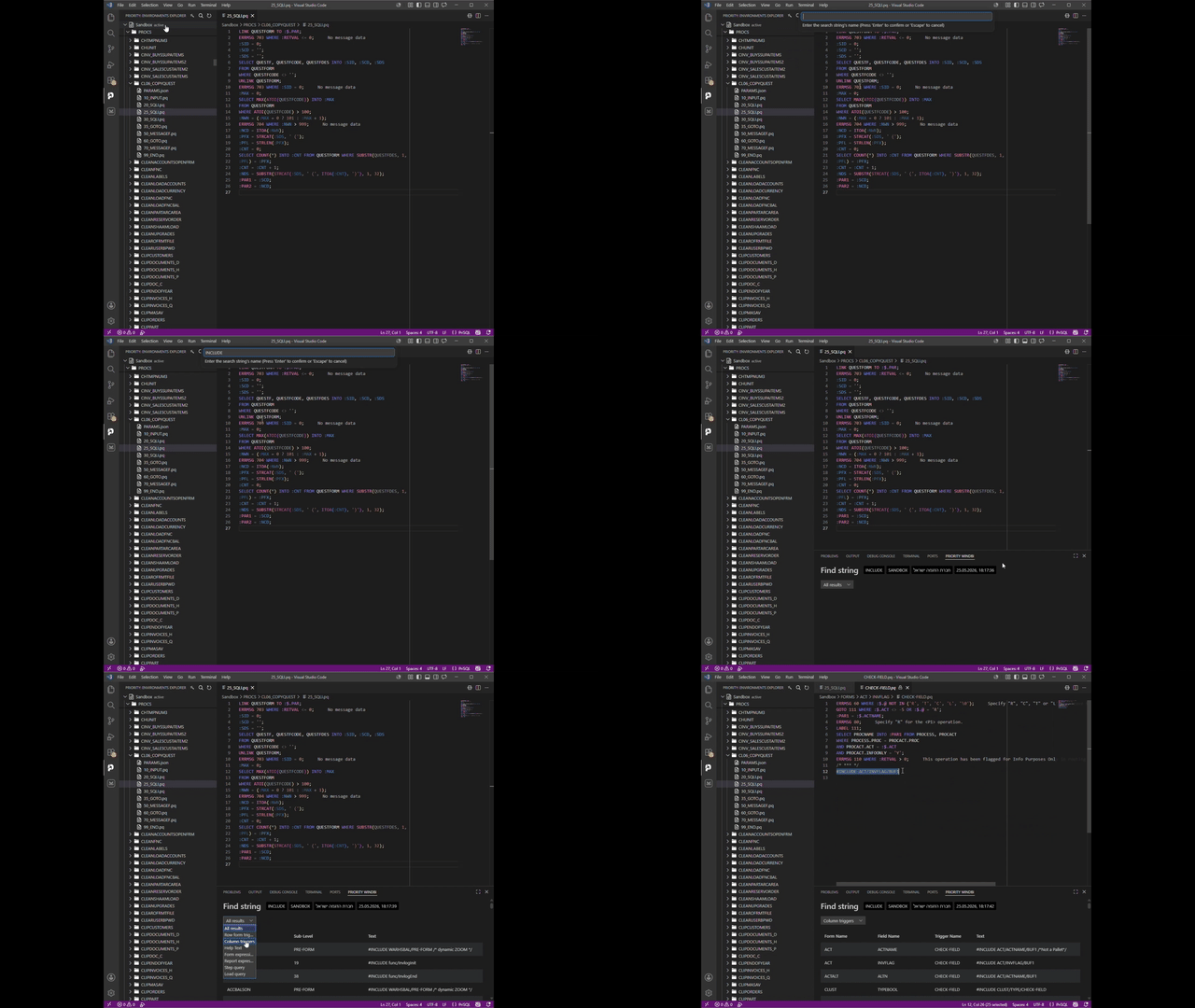
WINDBI's Find String tools are available in VS Code with direct navigation from results to the exact source line.
- Find String — search across all row/column triggers, form expressions, report expressions, and step queries; filter results by category
- Find String in Form — scope the search to a specific form
- Click any trigger or step result to open the file and jump to the matching line
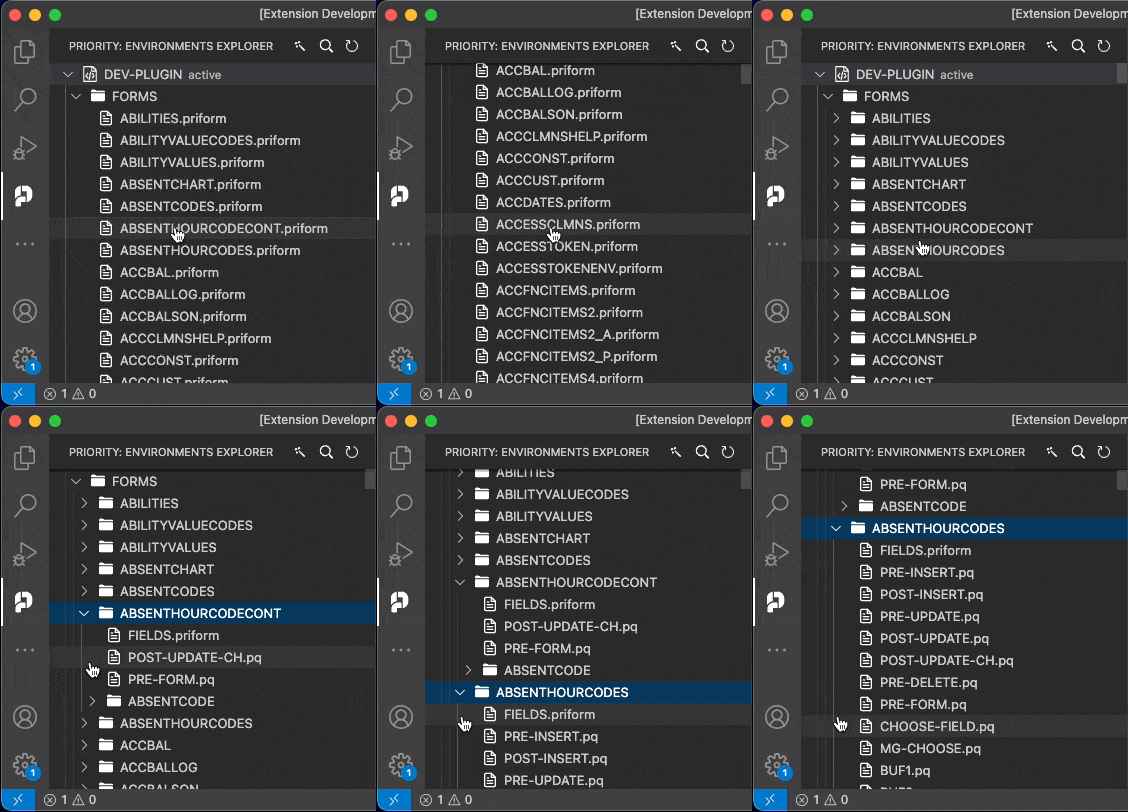
Deep / Flat Mode
- Deep mode — view form elements (triggers, fields) as separate nodes in the tree
- Flat mode — view all items in a single flat list
Managing Environments
Add, edit, and remove environments using the Environment Wizard. Click the wizard icon in the Environments Explorer toolbar or run Priority: Open Environments Wizard from the Command Palette.
Getting Started
Prerequisites
- Priority application server version 21.0 or higher
- APPVSCODE application included in your Priority license
- Verify in System Management > System Maintenance > Software Licenses > Applications for License
- Add your user to the Users for Application subform for APPVSCODE
- OData URL — run Send Program Activation Link (System Management > System Maintenance > Users) and select API
- Personal Access Token (PAT) — see Setting Up a Personal Access Token below
Installation
- Install Visual Studio Code
- Install the Priority Dev Tools extension from the VS Code Marketplace
- Click the Priority icon in the Activity Bar to open the Environments Explorer
- Click Add environment with OData URL and fill in your environment details
Adding Your First Environment
Click Add environment with OData URL in the Environments Explorer and enter:
| Field |
Value |
| Environment name |
A descriptive name for this environment |
| OData URL |
Full URL for the OData service |
| Username |
Your Personal Access Token value |
| Password |
PAT (case-sensitive) |
Your environment appears in the Environments Explorer with expandable FORMS, PROCS, and TABLES folders.
Setting Up a Personal Access Token
Personal Access Tokens (PATs) provide secure authentication between VS Code and Priority.
- In Priority, navigate to System Management > System Maintenance > Users > REST Interface Access Tokens
- Add a new token — enter a description and your Priority username, then mark Create Token and click OK
- Immediately copy the token — it is hidden after you leave the line and cannot be retrieved again
- In VS Code, use the token value as the Username and
PAT as the Password when adding an environment
Known Limitations
- RTL entity titles are not supported — titles for entities are shown when searching the Environment Explorer. Titles written in a right-to-left language (e.g. Hebrew) cannot be displayed correctly in search results and are therefore not shown.
Documentation
Full documentation is available at: Priority Dev Tools — Developer Portal
Changelog
See the Changelog tab.
Extension Settings
See the settings dialog (Ctrl+,).
Enjoy!

