Database Notebook
日本語

Database Notebook brings SQL, JavaScript/TypeScript, Markdown, and query results together in one notebook file, so you can turn ad-hoc investigations across databases, logs, and cloud resources into something you can save, share, and re-run.
What it's for
- Investigate incidents across databases, logs, and cloud resources — Query production and staging databases, inspect CloudWatch logs, and scan AWS resources (S3, SQS, DynamoDB, Secrets Manager, SSM) — all from the same notebook, so the whole investigation stays in one reusable file.
- Keep SQL, JavaScript, Markdown, and results in one reusable file — Mix SQL, JavaScript/TypeScript, shell, and Markdown cells with variables shared between them, then export the results as HTML or Excel. See Database Notebook file examples.
- Diagnose and improve slow SQL (Experimental) — Collect execution plans, table statistics, indexes, and physical-health signals together, then use the evidence to investigate bottlenecks — and compare a saved report from before your change against the current one to see exactly what moved. See the Performance Tuning Guide.
- Reuse your saved connections from GitHub Copilot Chat / MCP clients — The same connections you set up in the DB Explorer are available as AI tools in Copilot Chat (Agent mode), and via a standalone MCP server for other MCP clients (Claude Code, Claude Desktop, Cursor, ...). See AI Tools Usage Guide.
Quickstart (3–5 min)
No external database needed — this uses a small local SQLite file.
- Install the extension.
- Open the Command Palette and run
Database Notebook: Create SQLite Demo. This creates a small local SQLite database, a connection pointing at it, and a ready-to-run .dbn notebook.
- Run the notebook with Run All.
- Check the query result and the chart it generates.
- Save the result as an HTML or Excel file from the result panel's toolbar.
- When you're ready, create your own connection from the DB Explorer side panel and point your notebooks at it.
Supported databases & resources
MySQL, PostgreSQL, SQL Server, SQLite, Oracle, Redis, Memcached, AWS, Keycloak, Auth0, MQTT
Detailed features
- Mix SQL, JavaScript/TypeScript (Node.js), shell/batch script, Redis/Memcached command, and Markdown cells in a single notebook file
- Shell script cells (
shellscript: bash/sh/zsh) run and capture stdout/stderr like any other cell; Windows batch cells (bat) are also supported but experimental (not verified end-to-end on Windows)
- Shell script and batch cells can read shared variables from preceding cells as
DB_NOTEBOOK_VAR_<name> environment variables ($DB_NOTEBOOK_VAR_name / %DB_NOTEBOOK_VAR_name%): Use shared variables in shellscript/bat cells
- Redis/Memcached command cells (
redis/memcached) run one raw command per cell (e.g. GET mykey, HGETALL myhash) against a saved connection and return a tabular (RDH) result, the same as SQL cells, instead of plain text
- Share variables between cells, including passing a SQL cell's result set into a later JavaScript cell for further processing
- See a full SQL → JavaScript → Markdown walkthrough: Database Notebook file examples
- See Redis/Memcached command cell examples: Database Notebook Redis/Memcached command cell examples
- Access databases through Notebooks, Sidebars, and panel UIs
- Dashboards (Experimental)
- Inspect live database statistics for MySQL, PostgreSQL, SQL Server, SQLite, and Oracle, or CloudWatch metrics for supported AWS resources, directly from the DB Explorer.
- Start/stop database sampling, refresh CloudWatch metrics, switch dashboard views, and export the collected snapshot to a read-only
.dbnr report.
- This feature is experimental: available panels and metrics depend on the database version, permissions, endpoint, and AWS metric configuration, and the UI/report format may change.
- Dashboard Guide
- Execute SQL mode
- Execute query (Default)
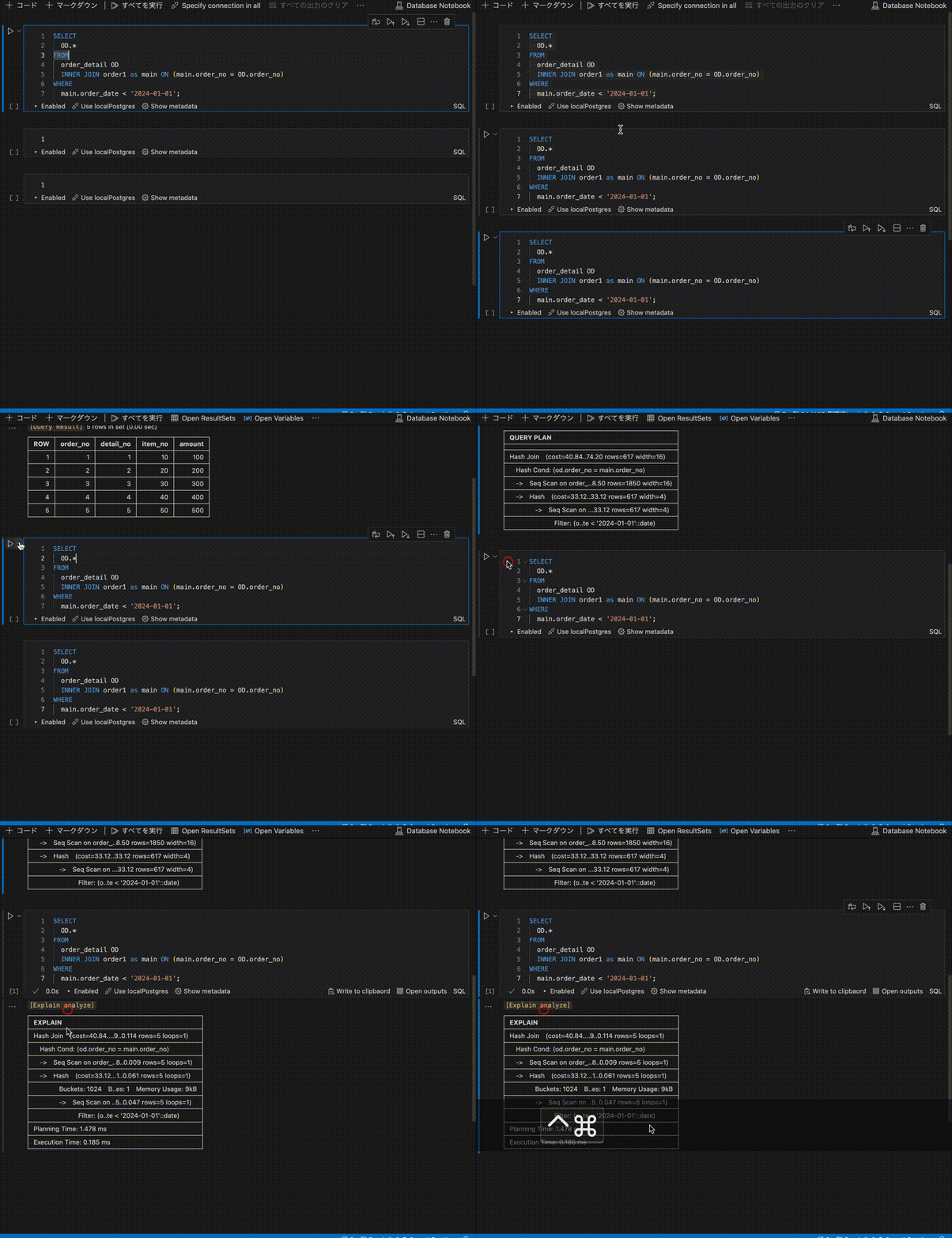
- Execute explain plan (Generates a query plan).
- Execute explain analyze (Displays actual execution time and statistics)
- Query history management
- Variable sharing between notebook cells
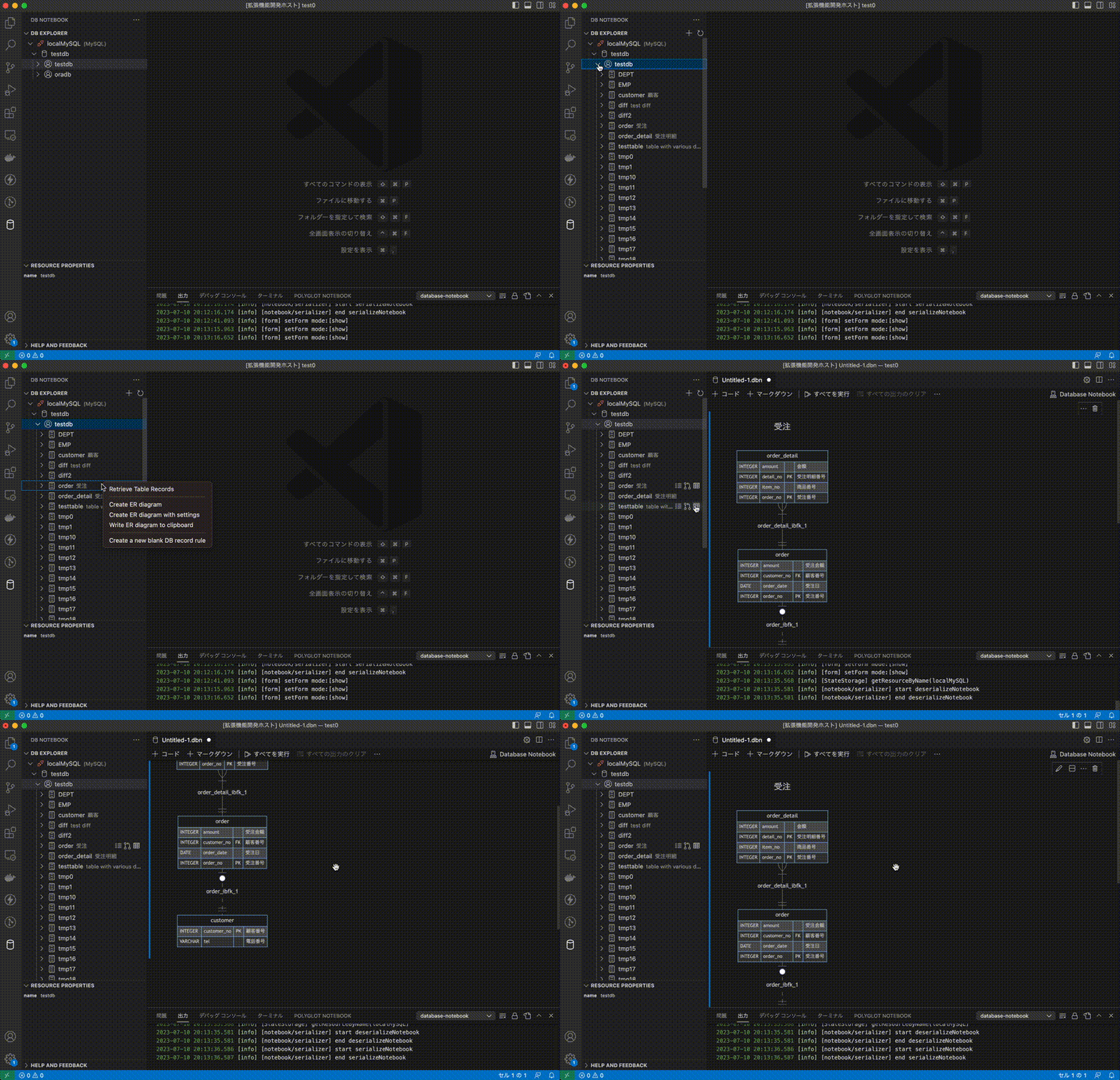
- Generate ER diagrams in mermaid format or as an editable draw.io diagram
- Generate Mermaid or editable draw.io diagrams from CloudFormation stacks
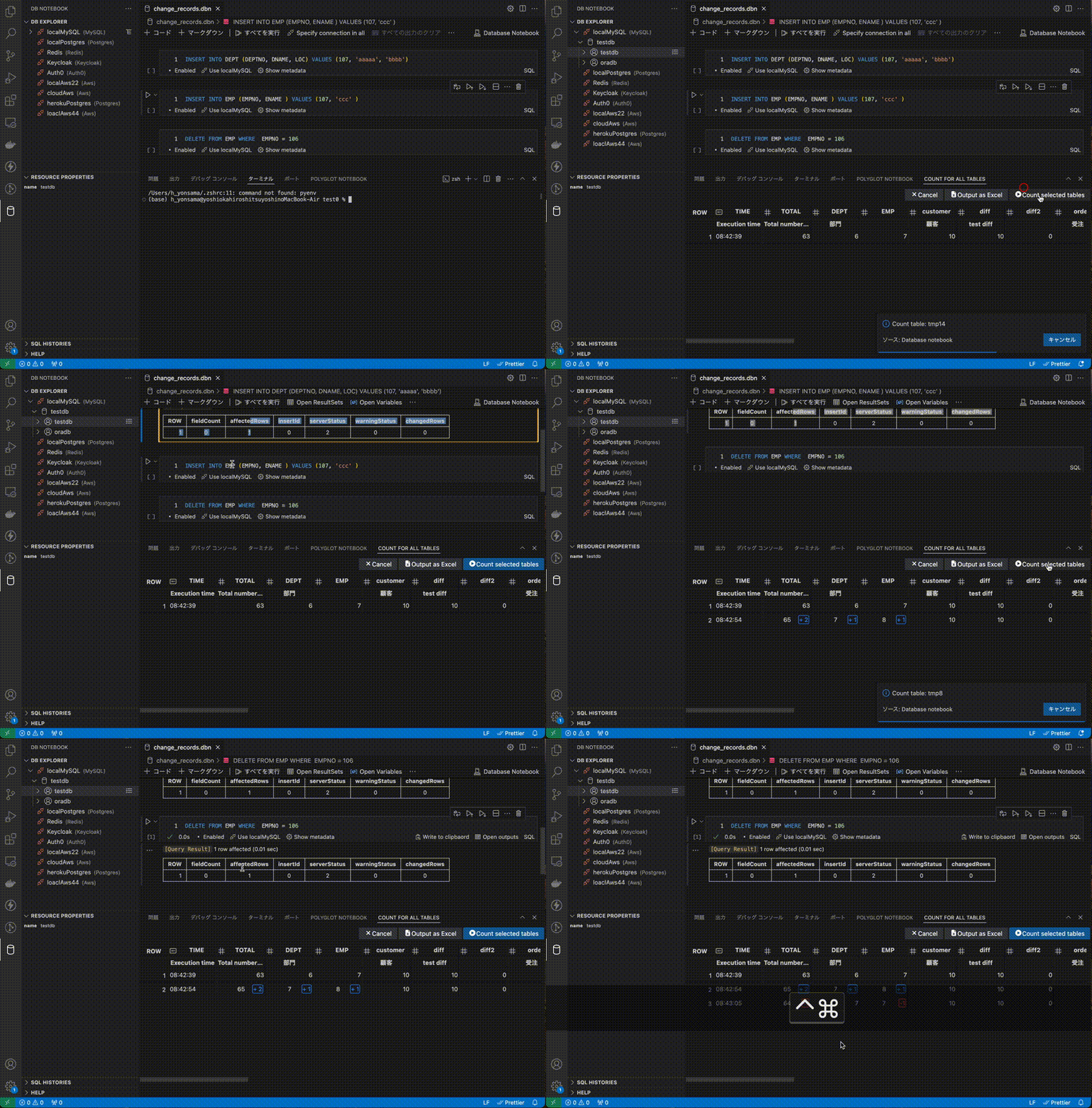
- Count all tables in the schema
- Provide IntelliSense with database resource names and comments
- Intuitive visualization of result sets
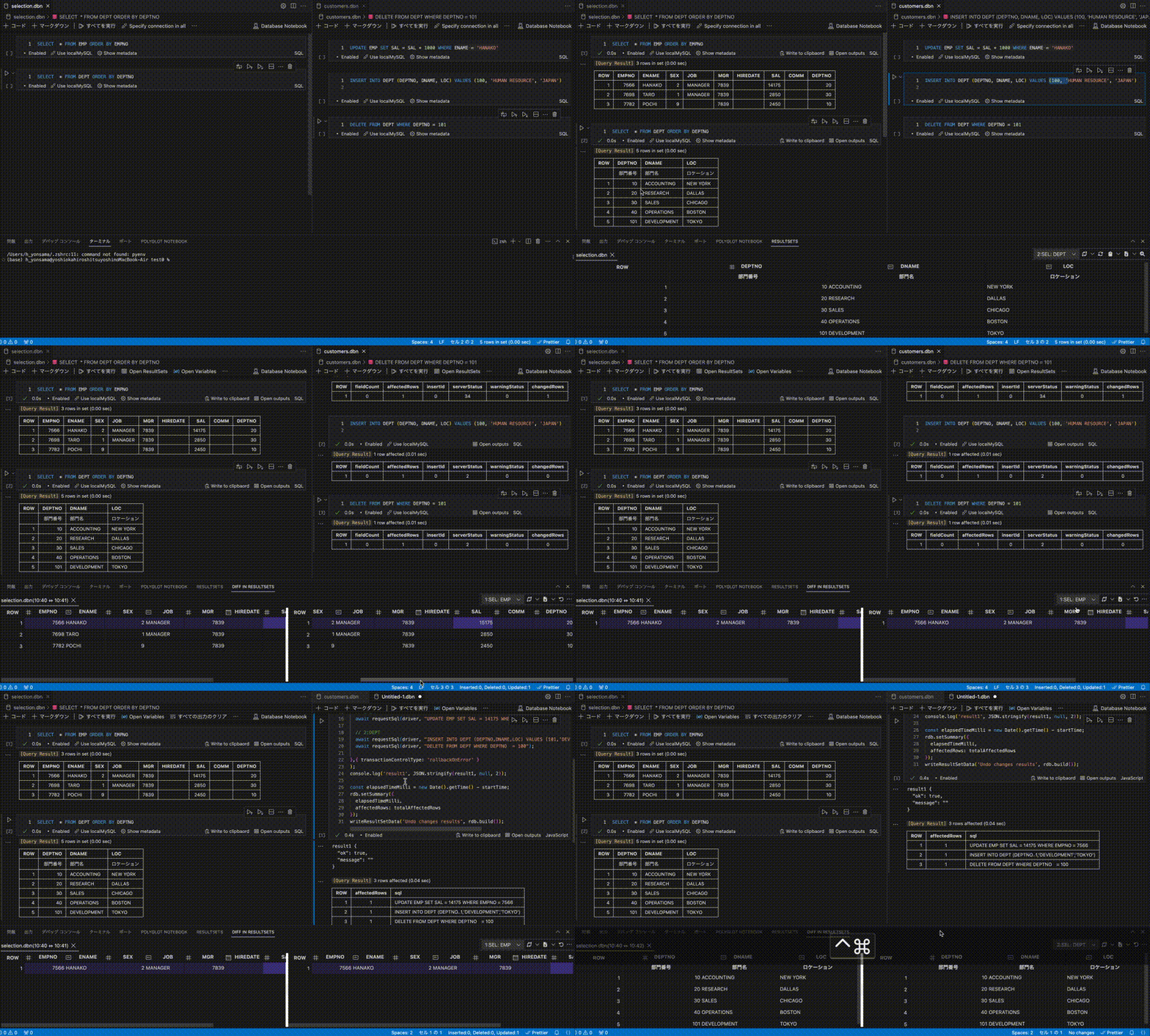
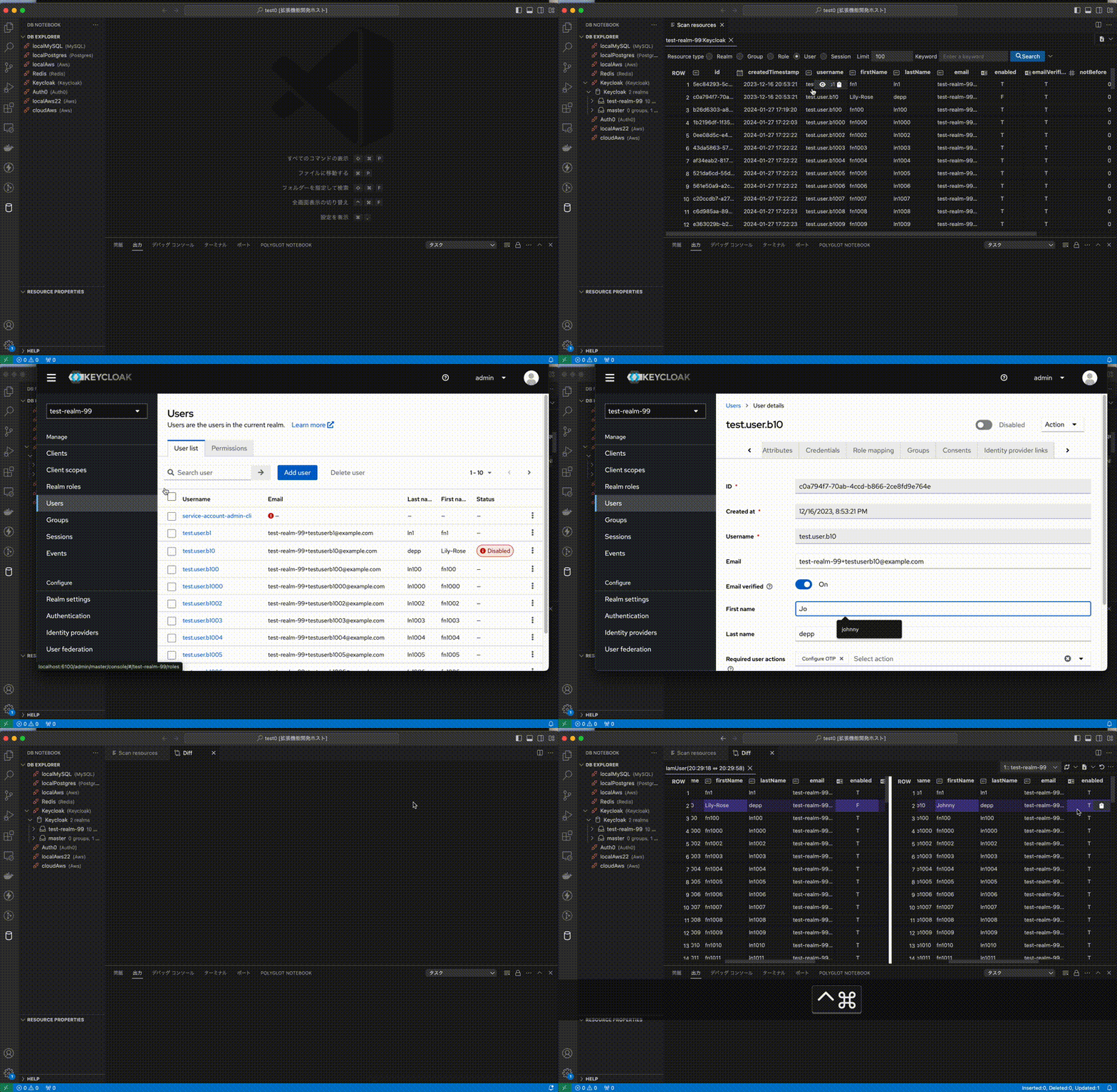
- Difference display using comparison key (Primary or Unique key)
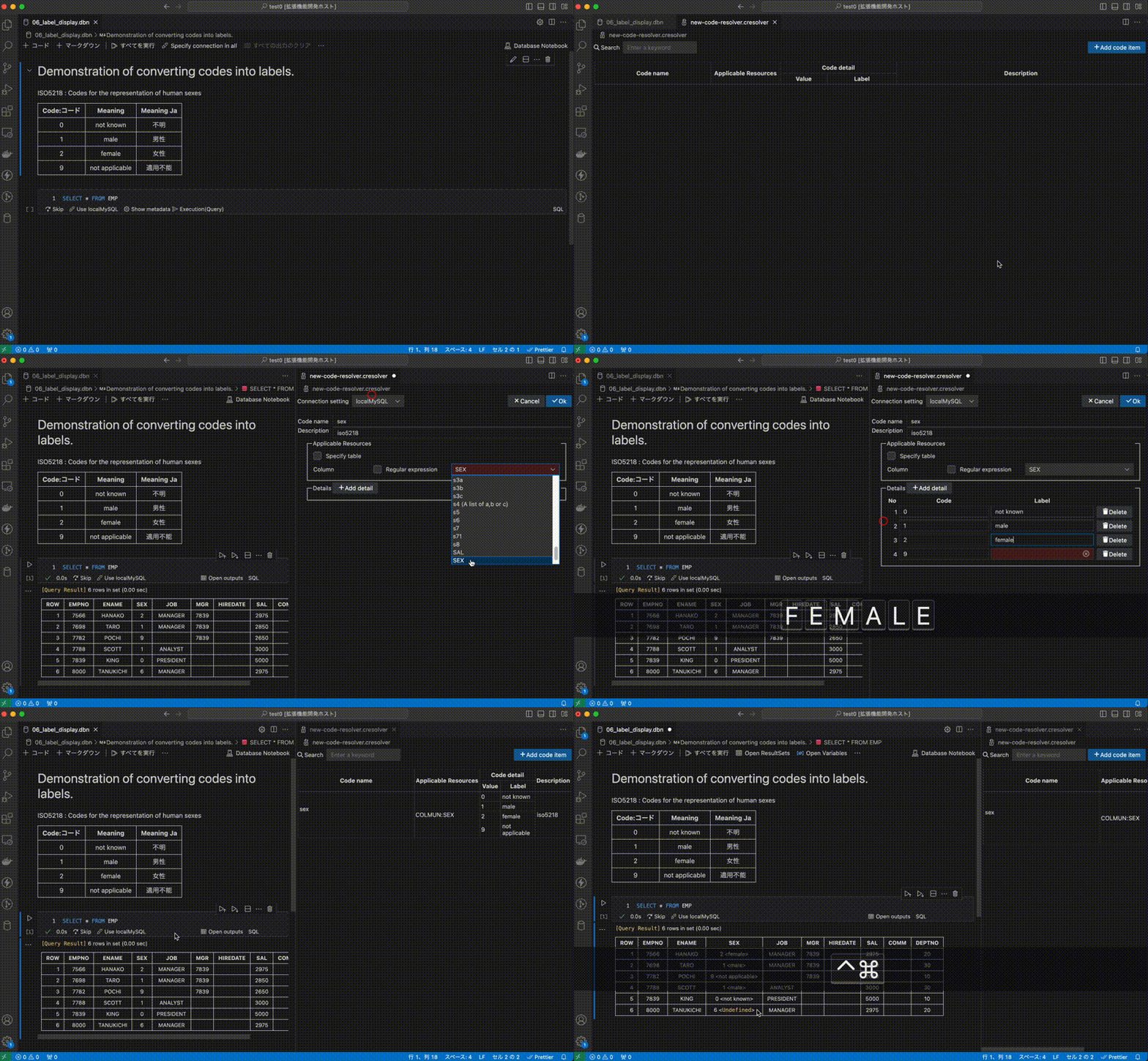
- Label display using code label resolver
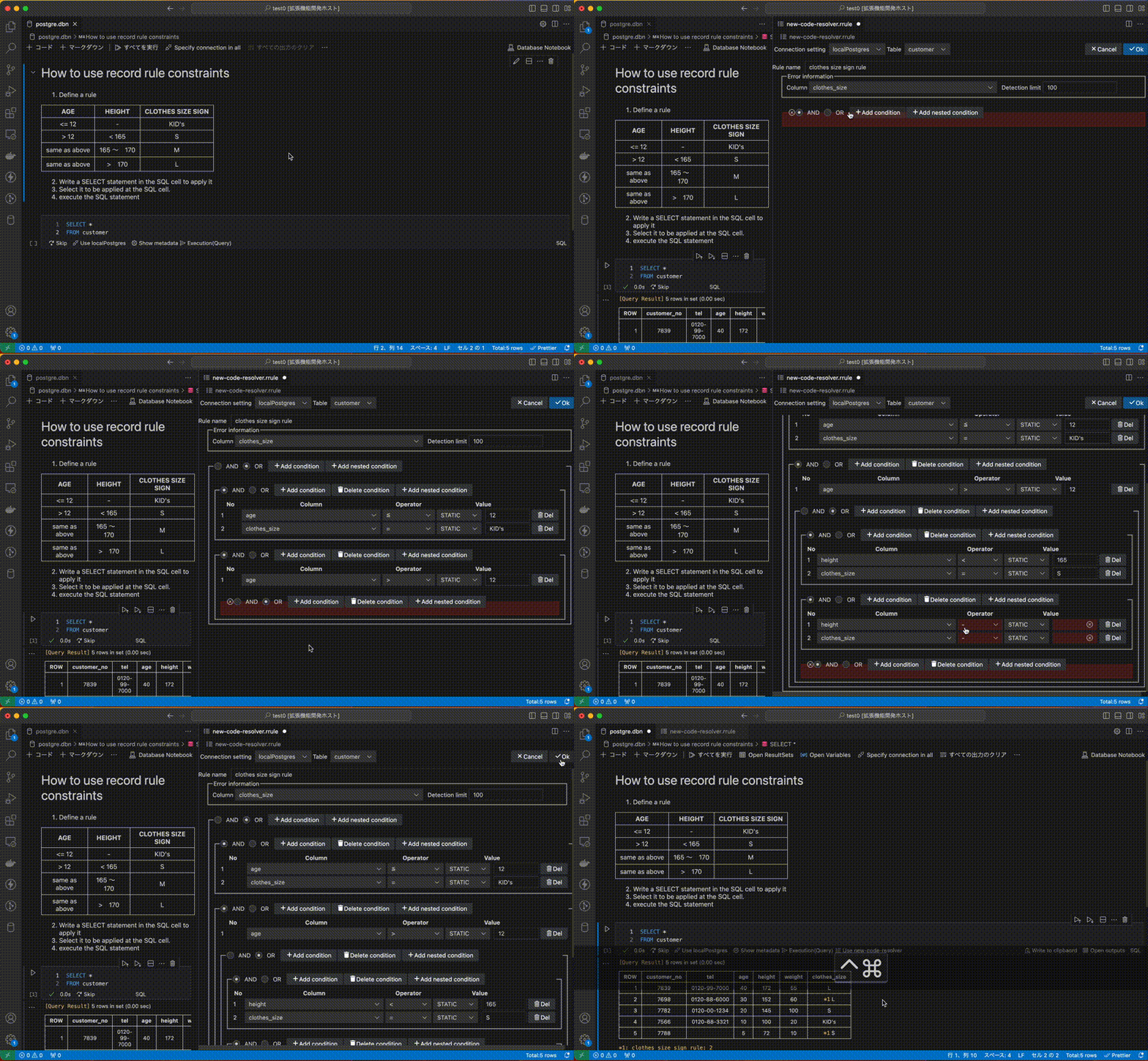
- Verify result sets comply with a rule.
- Output in Excel file format
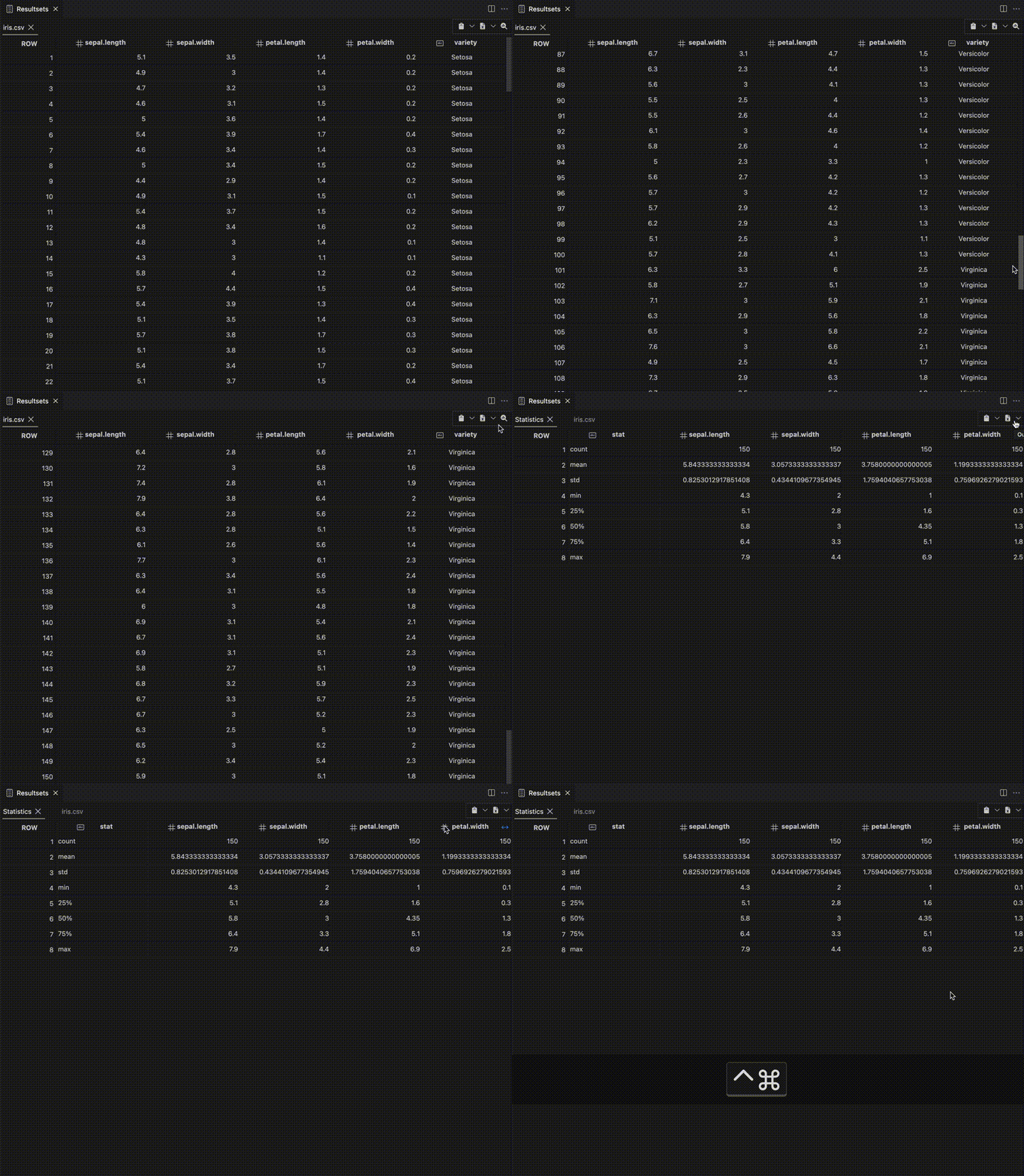
- Generate descriptive statistics
- Support graphs
- Create and execute SQL statements to undo changes
- Export notebook as an HTML file
- File preview
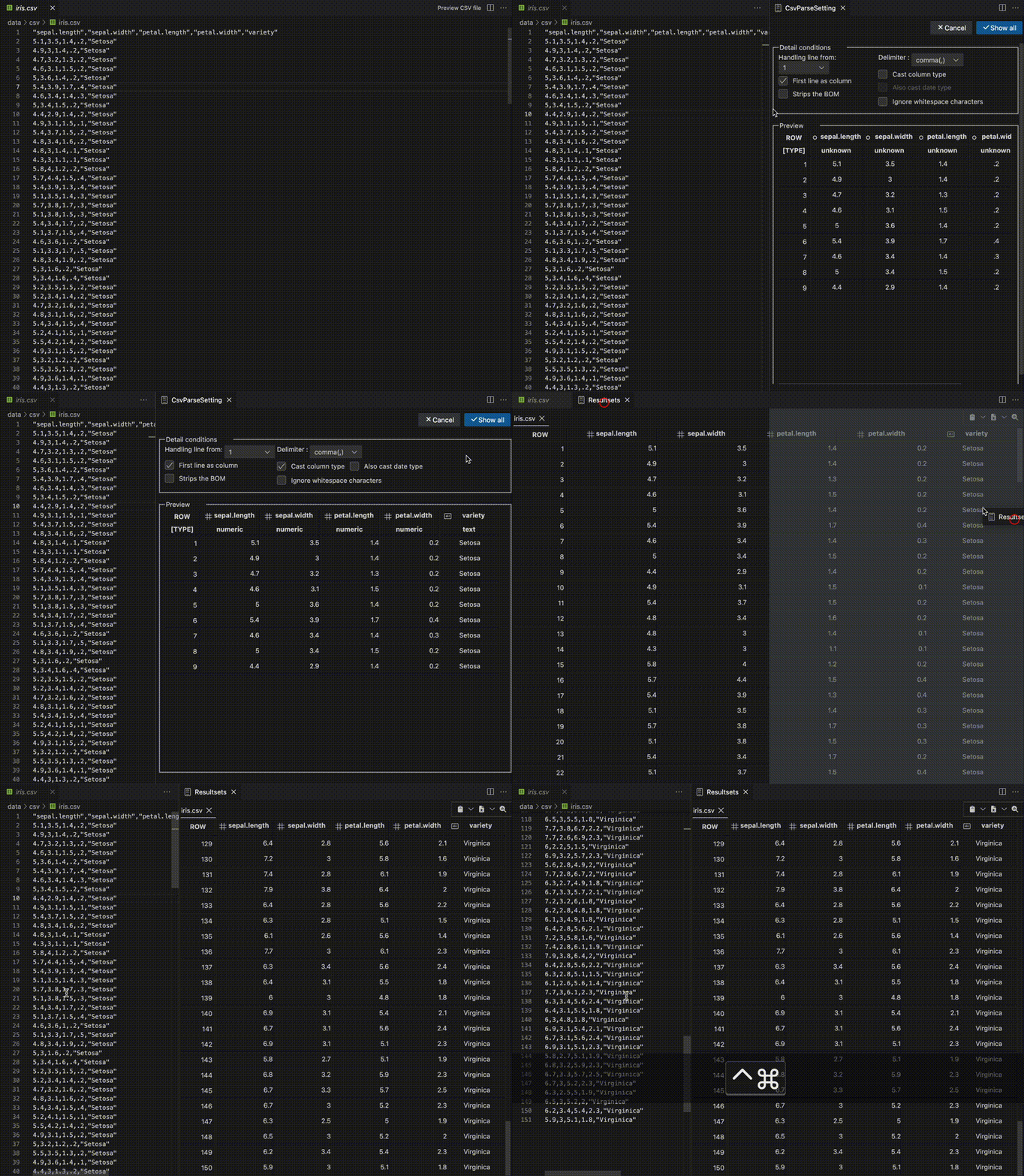
- CSV file preview
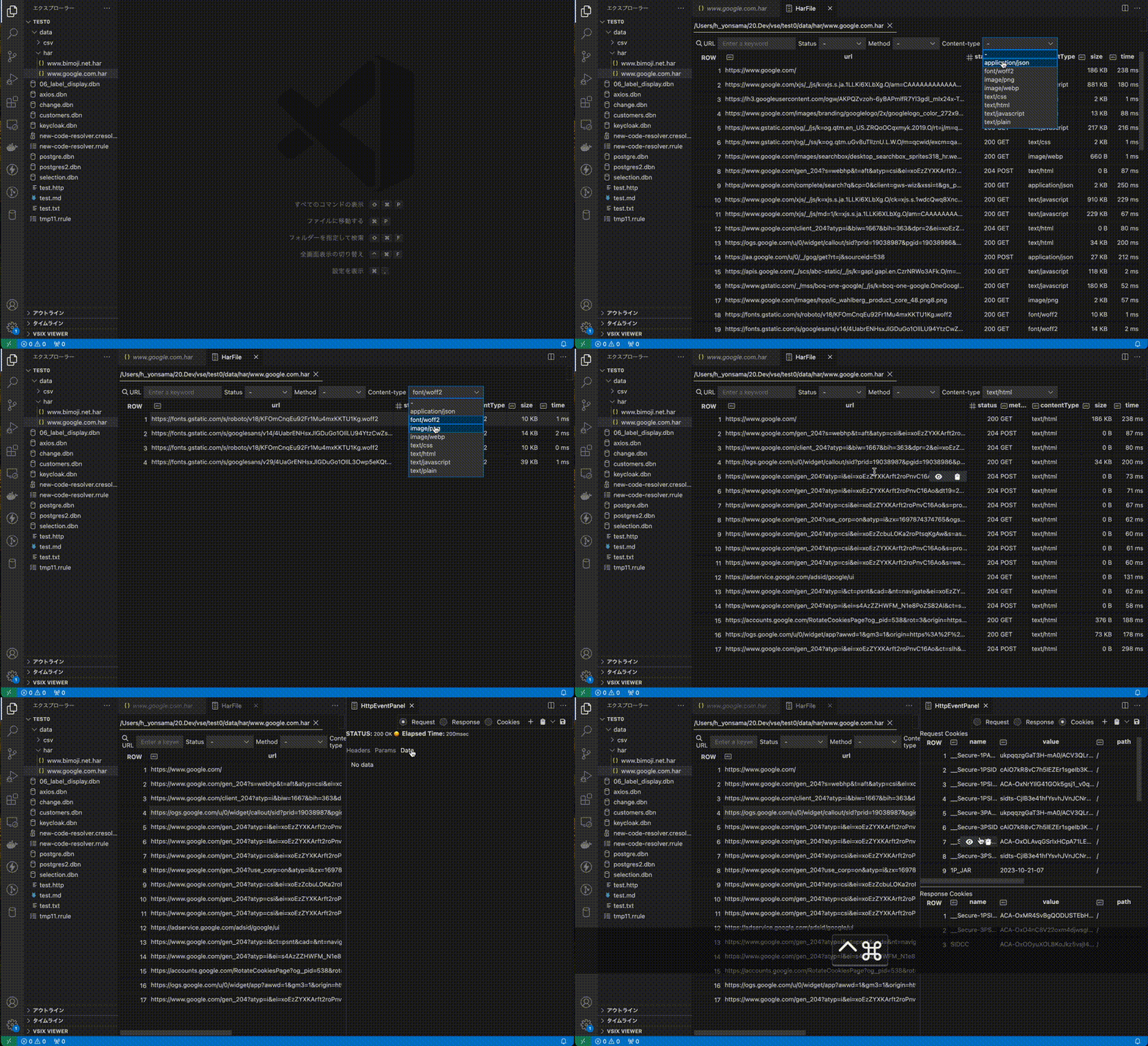
- Har file preview
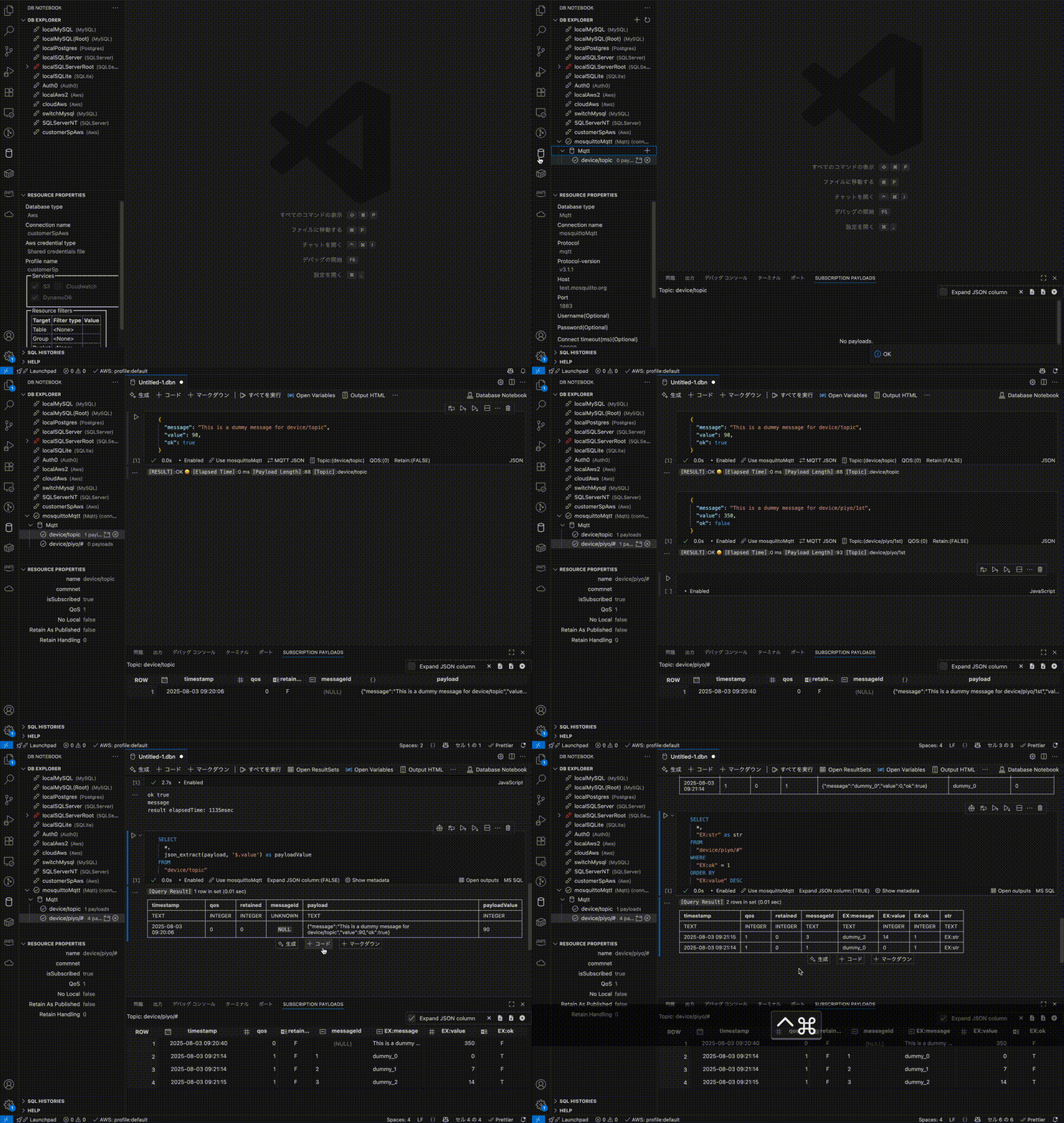
- MQTT Client
- Intuitive publish/subscribe interface
- Query subscribed payloads using SQLite directly from the notebook
- Parse SQL log
Screenshots
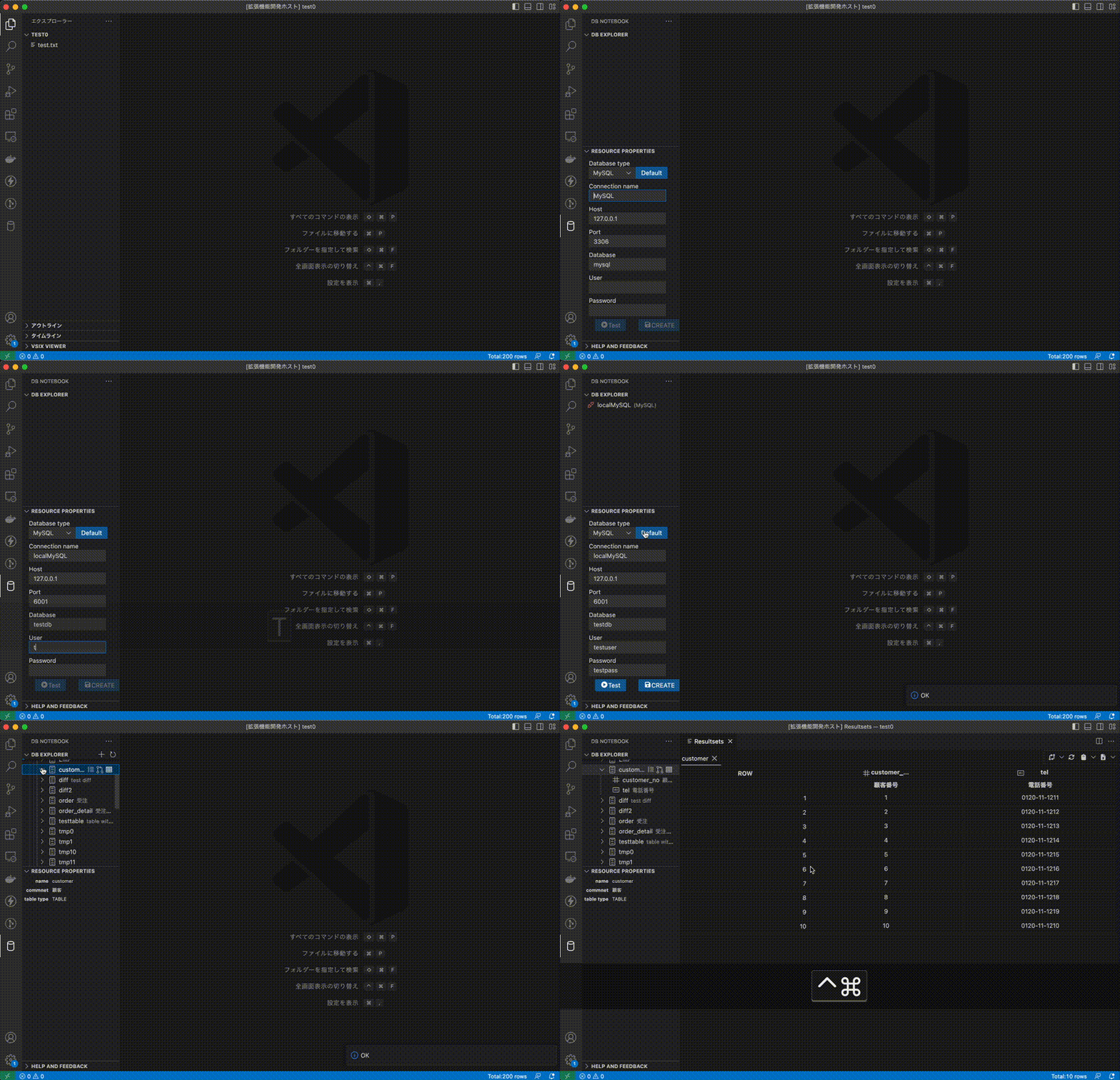
Setup connection settings, access to Mysql through the Side-panel
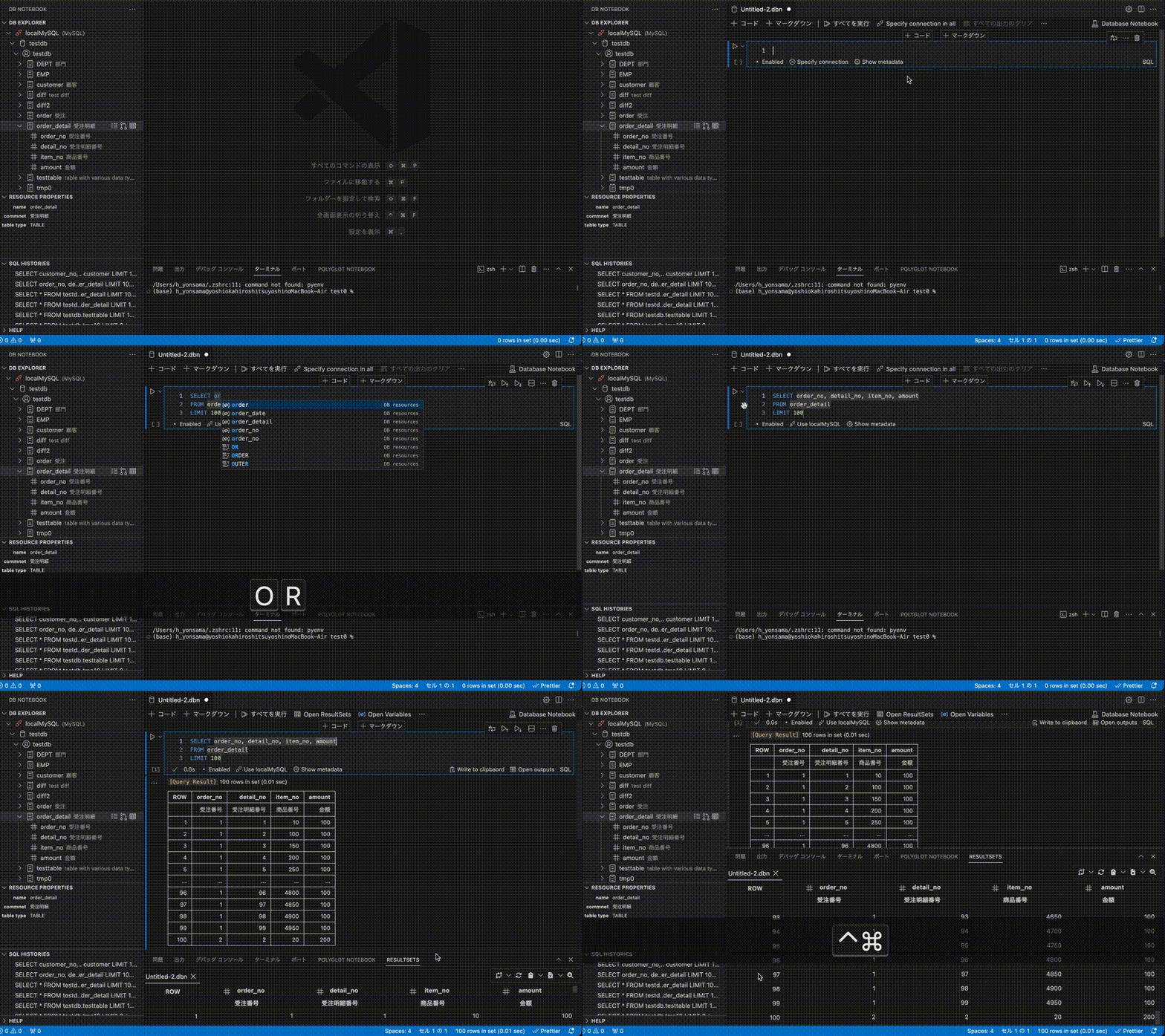
Access to Mysql through the Notebook ( Create a new blank Database Notebook )
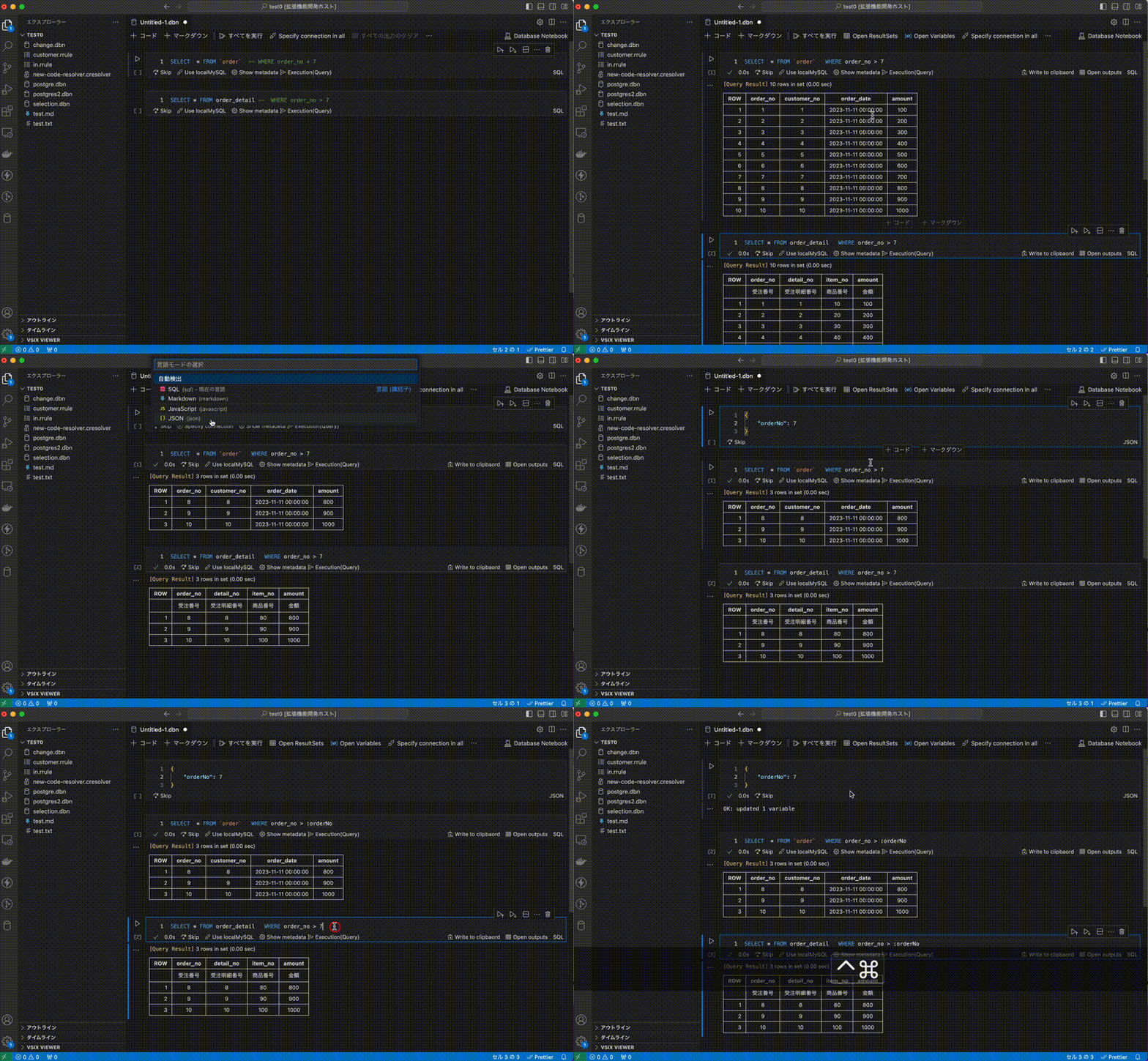
Variable sharing between notebook cells
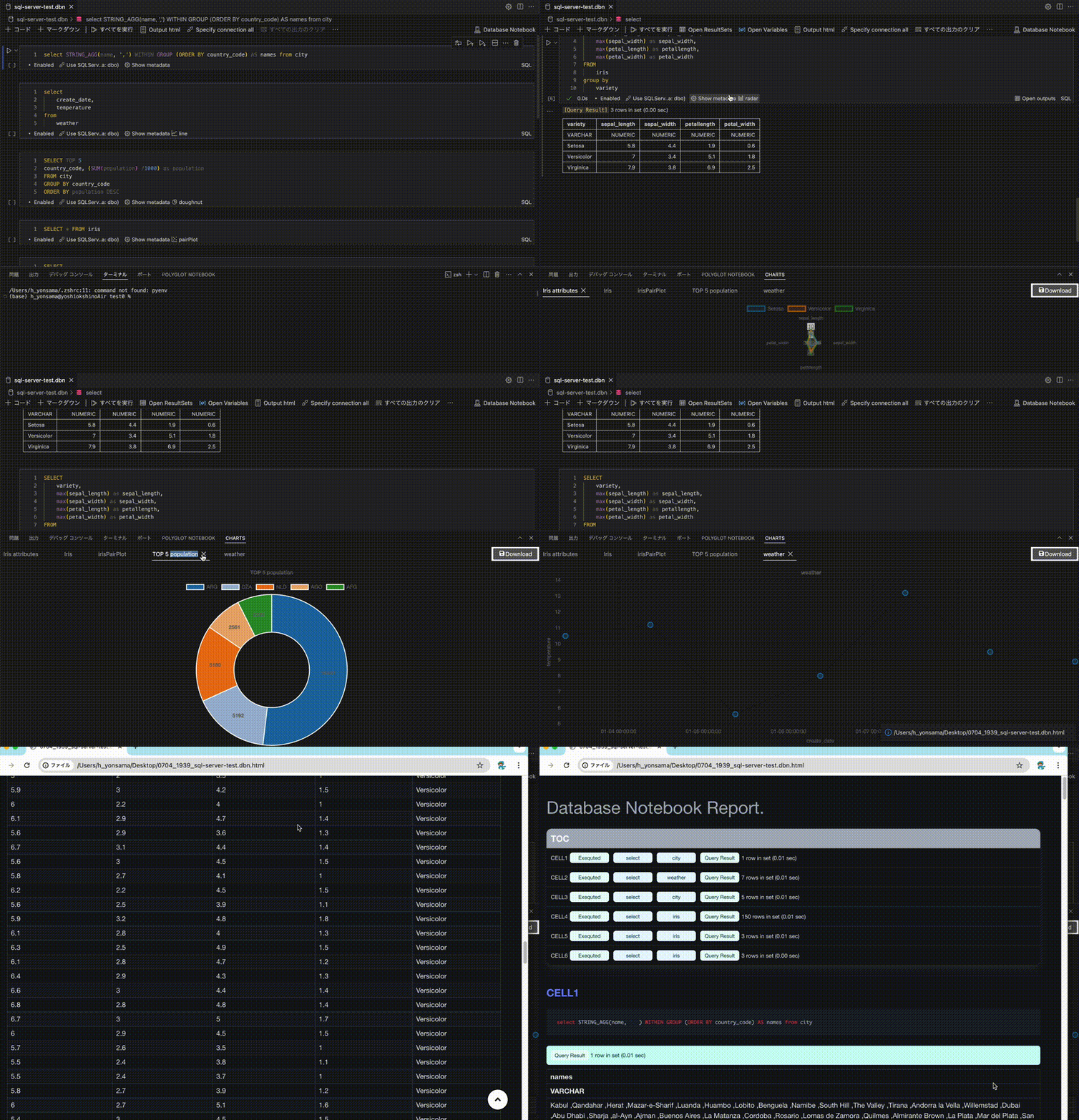
Export notebook as an HTML file
ER diagram creation
Execute SQL mode
- Execute query (Default)
- Execute explain plan (Generates a query plan).
- Execute explain analyze (Displays actual
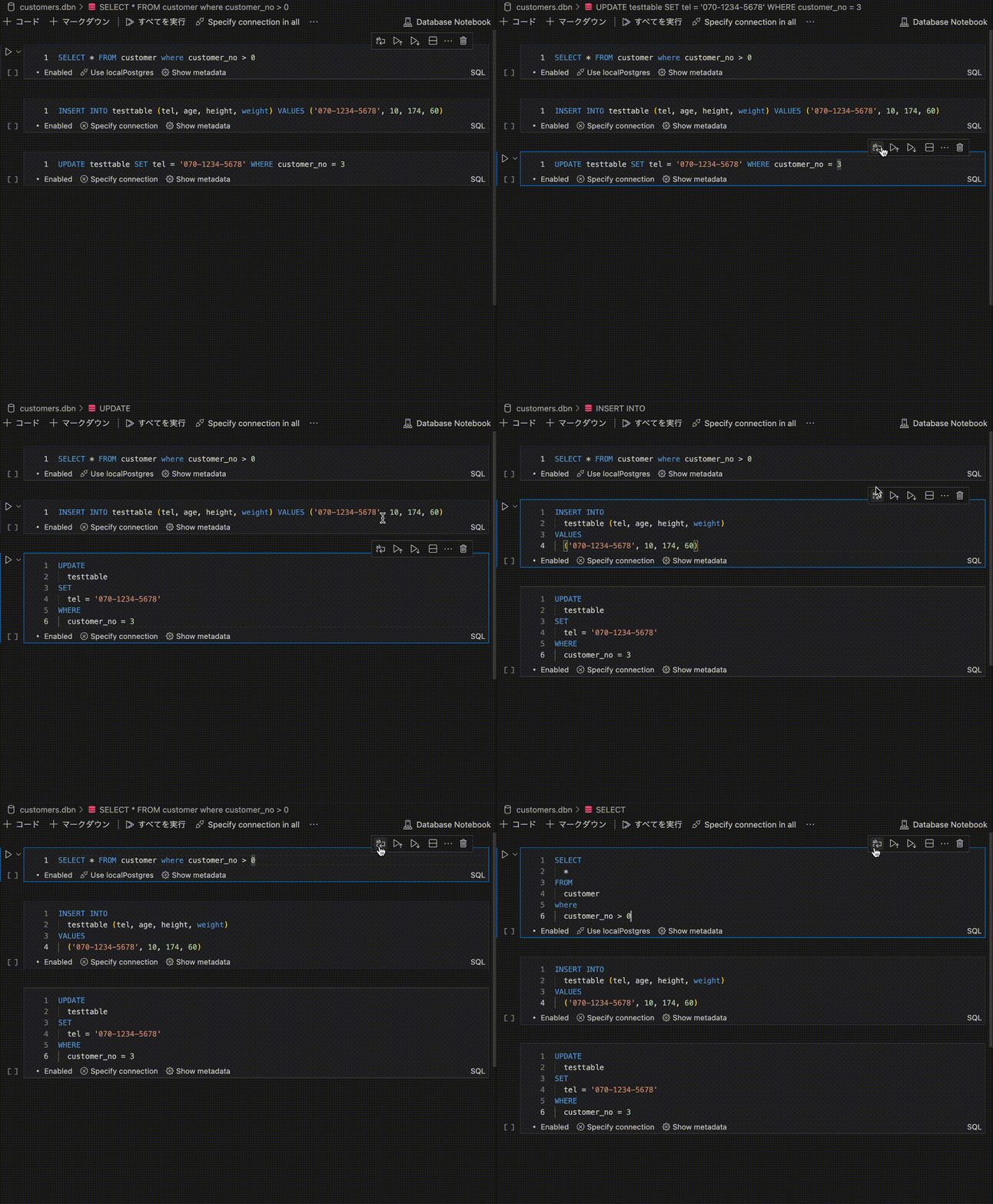
Format SQL statement
Count all tables in the schema
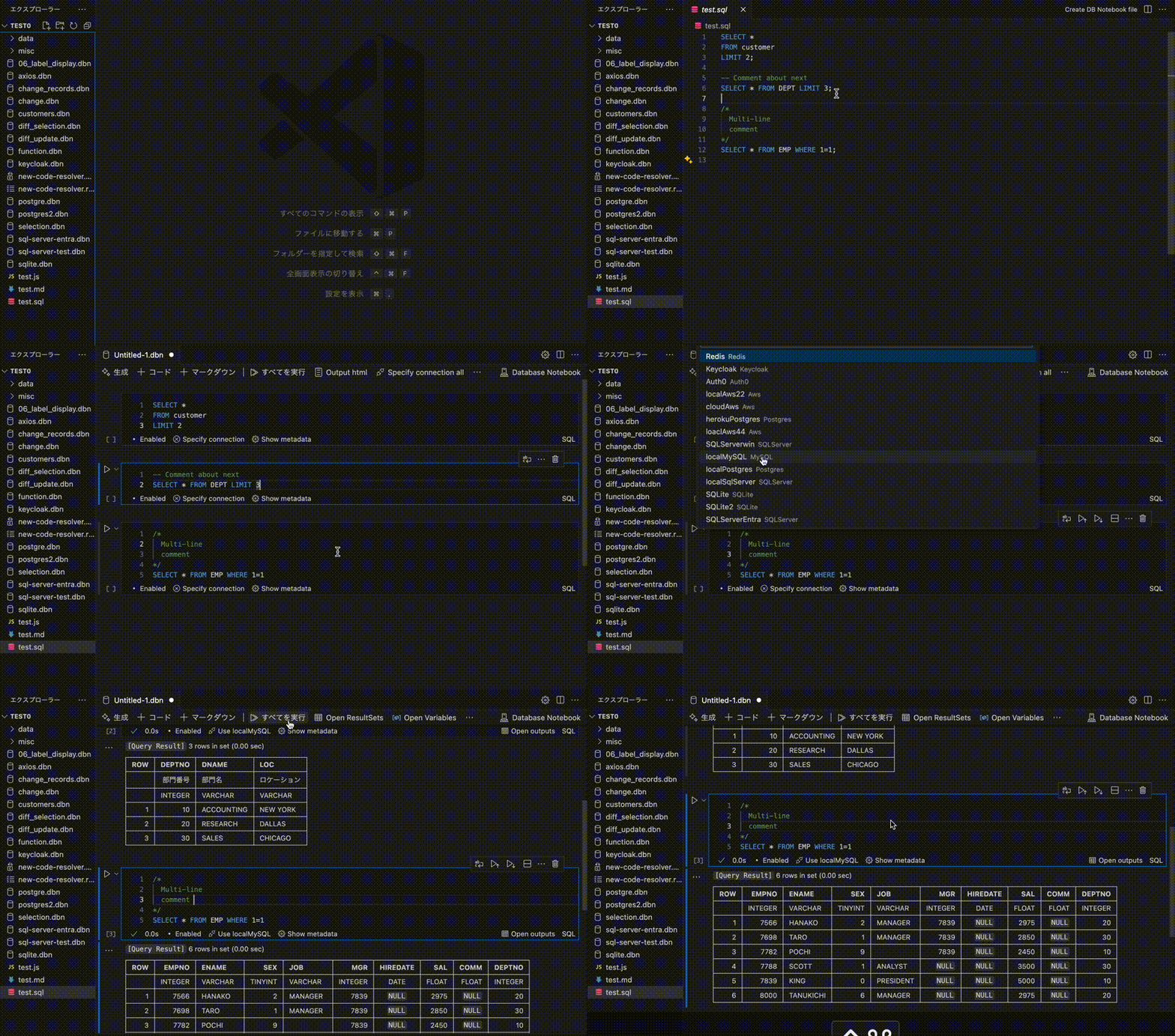
Create DB Notebook from an sql file
Access to Aws( DynamoDB ) through the Notebook
- On the DB Notebook, specify the number of counts in the LIMIT clause

MQTT Client
Screenshots ( Intuitive visualization of result sets ) ( Click here )
Difference display using comparison key (Primary or Unique key)
Label display using code label resolver ( Create a new blank Code label resolver )
Verify records comply with a rule ( Create a new blank DB record rule )
Generate descriptive statistics
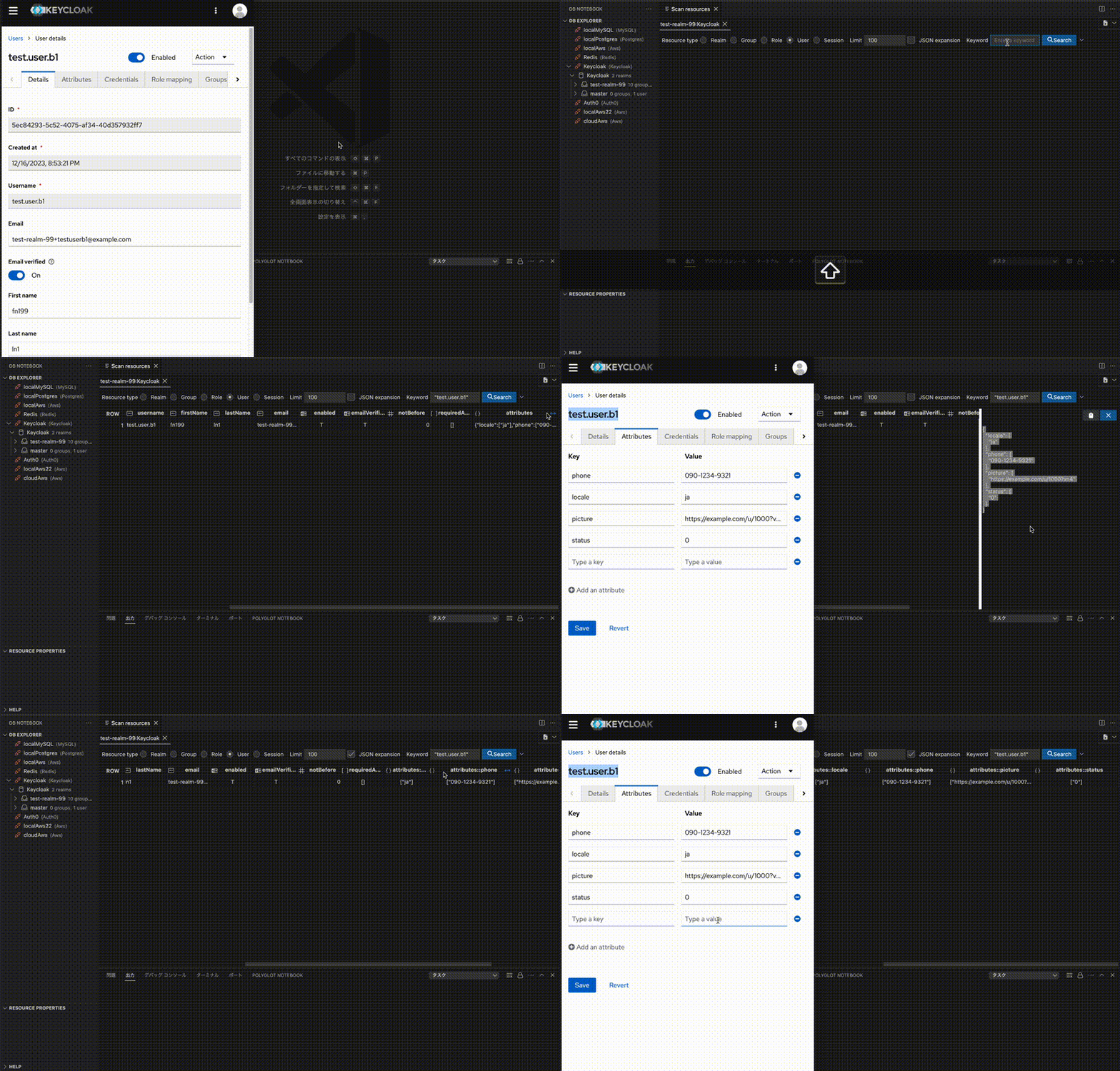
Screenshots ( Access to the Keycloak from the side panel ) ( Click here )
Expand and display JSON items in columns.
Screenshots ( File viewer ) ( Click here )
Csv file viewer
Har file viewer
SQL Log Parse Feature
The Log Parse feature analyzes application logs and extracts structured SQL execution data.
AI / MCP
- Use Database Notebook's connections as AI tools in GitHub Copilot Chat (Agent mode)
- List/test connections, inspect schema, run queries & transactions, scan non-SQL resources (Redis, Memcache, MQTT, Keycloak, Auth0, AWS), and create/edit
.dbn notebooks — all reusing the credentials you've already saved
- AI Tools Usage Guide
- Run a standalone MCP server so supported external MCP clients (Claude Code, Claude Desktop, Cursor, ...) can use the same connections outside VS Code
- MCP Server Usage Guide
- The local MCP server has been verified with ChatGPT Work and Codex. ChatGPT's regular Chat mode does not expose these tools in the tested setup; see the usage guide for client-specific limitations.
Reference & samples
Tips
- Instead of using VS Code's built-in
Copy Cell or + Code / Add Code Cell, I recommend using Duplicate Cell with Metadata.
This action copies not only the cell content, but also all associated metadata—such as database connection settings and ResultSet decoration options—so you can add a new cell without reconfiguring these settings.
- You can specify a default connection definition each time you add a new SQL cell to the notebook
Keyboard shortcuts
You can open this editor by going to the menu under Code > Settings > Keyboard Shortcuts or by using the Preferences: Open Keyboard Shortcuts command (⌘K ⌘S).
| Command |
Keybindings |
When |
Source |
| Mark cell as skip or not |
ctrl+alt+s |
notebookType == 'database-notebook-type' && notebookCellListFocused && notebookCellType == 'code' |
Database notebook |
| Specify connection to use |
ctrl+alt+c |
notebookType == 'database-notebook-type' && notebookCellListFocused && cellLangId == 'sql' |
Database notebook |
| Notebook: cell execution |
ctrl+enter |
- |
System (default) |
Requirements
Recommended Extensions
When you generate an ER diagram in Mermaid format (the alternative is an editable draw.io diagram), it's rendered inside a preview notebook.
It is recommended to use the "Markdown Preview Mermaid Support" extension together to visualize it.
🎁 Donate

| |