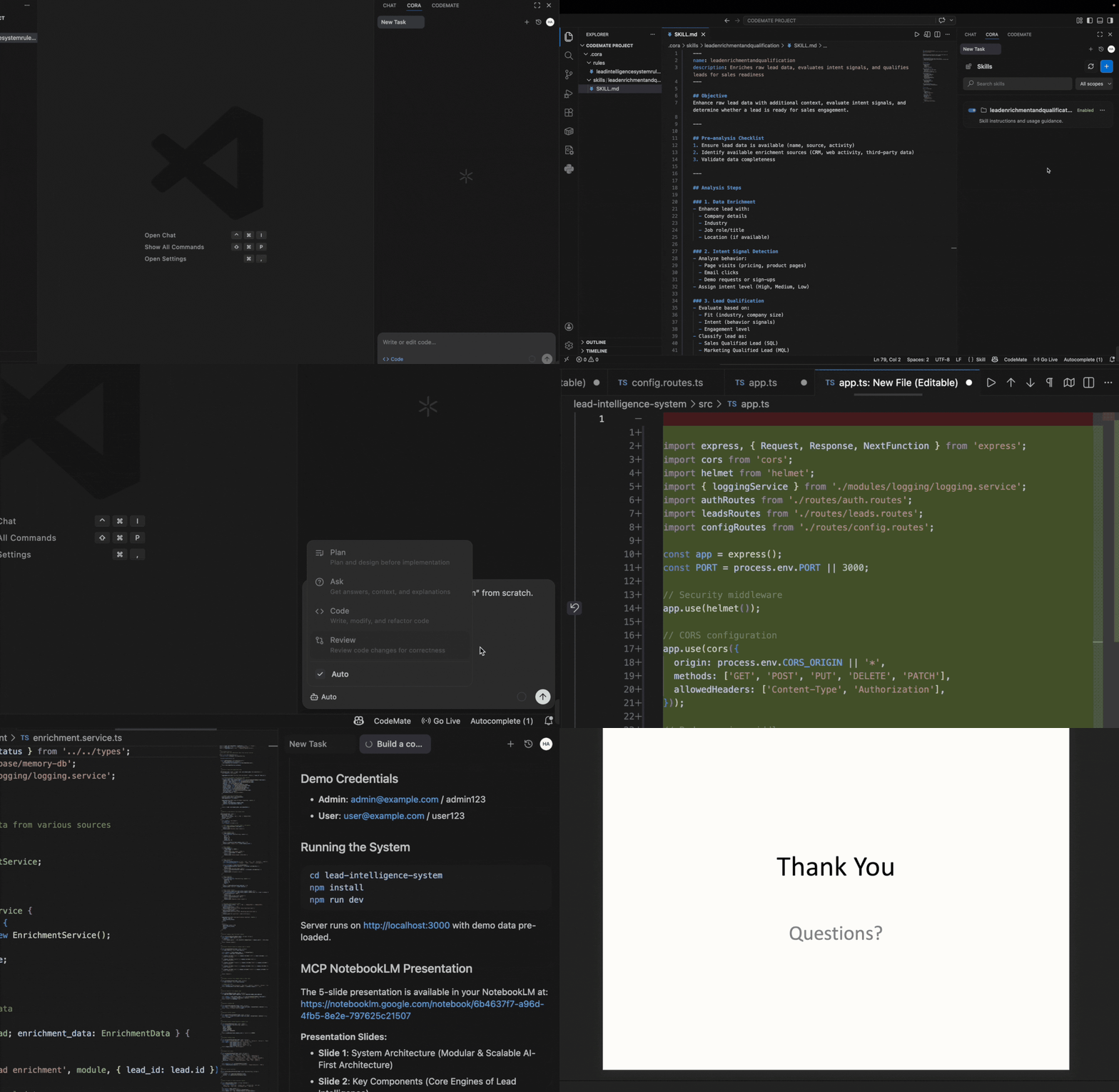
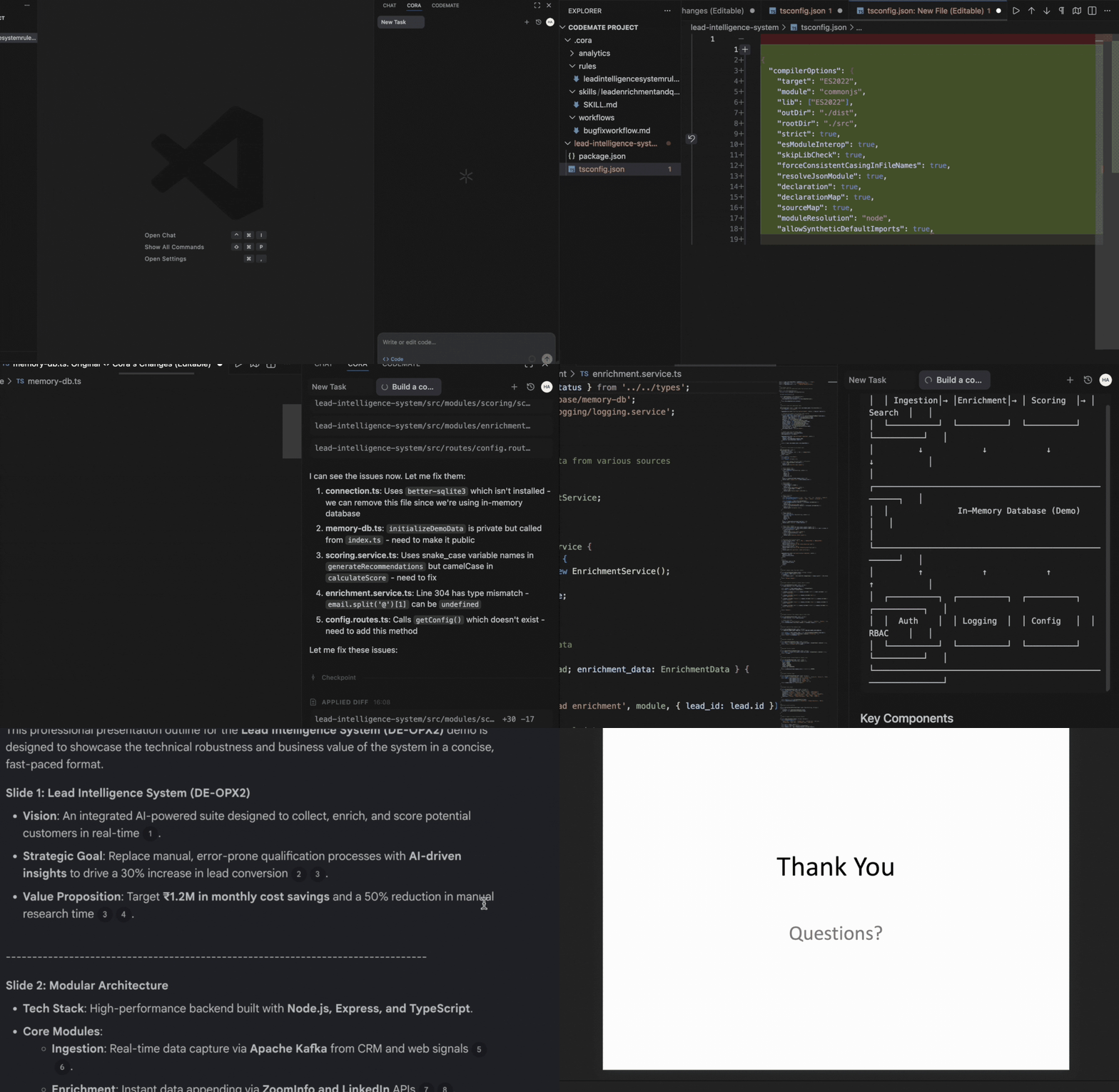
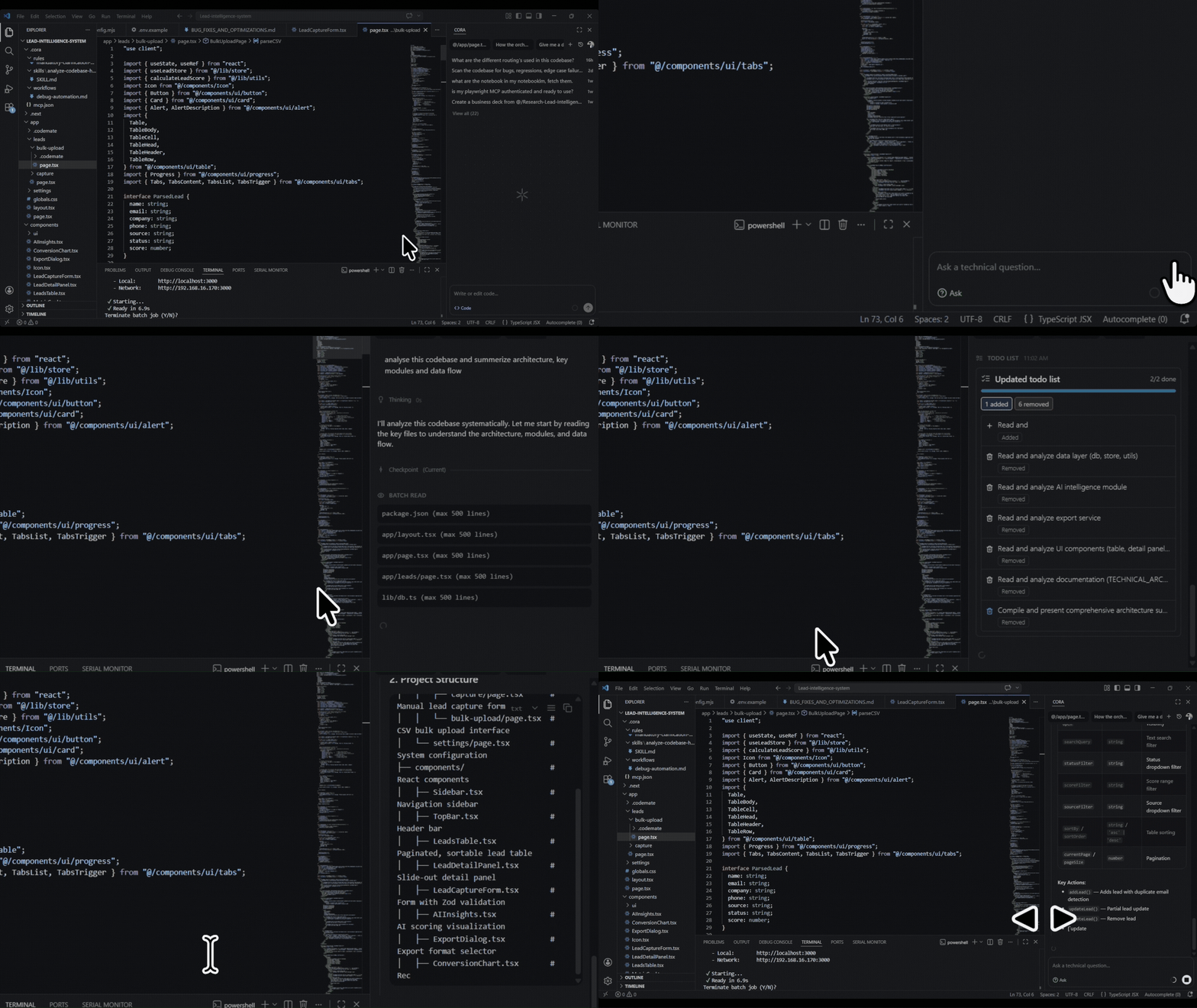
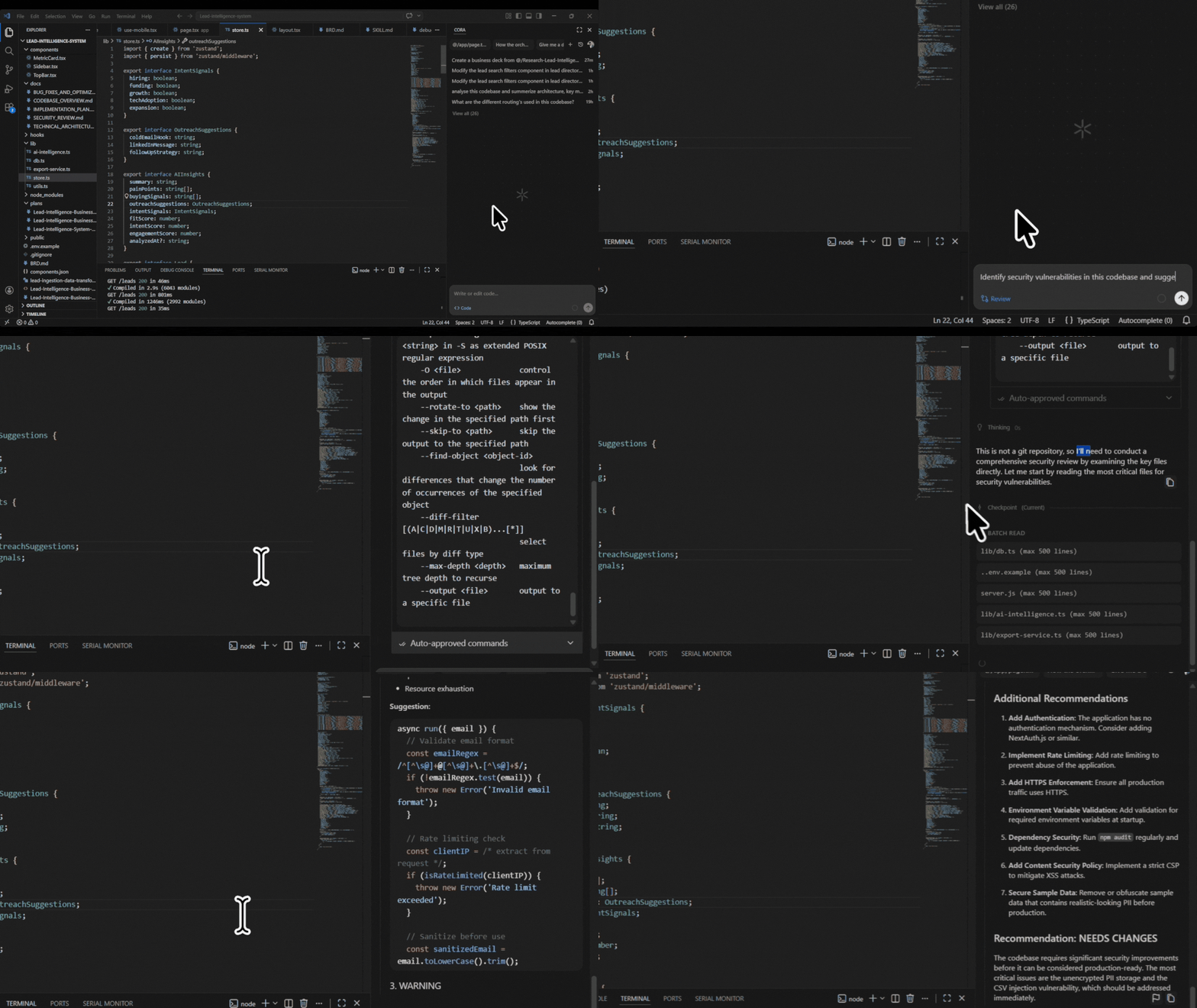
CORAAutonomous AI coding agent that plans, architects, and builds production-ready software inside VS Code. CORA is not a code completion tool. It is an agentic coding assistant that understands what needs to be built before writing a single line, mapping requirements, making architectural decisions, resolving dependencies, and executing the build in the correct order. Every step is visible. Every change requires your approval. In short:
Install from VS Code Marketplace · Website · Twitter · YouTube What CORA DoesMost AI coding tools help you write faster. CORA handles everything that happens before typing: understanding the real requirements behind a prompt, surfacing what was not asked for but will eventually be needed, choosing the right stack with explicit reasoning, and building in dependency order rather than all at once. Given a prompt like:
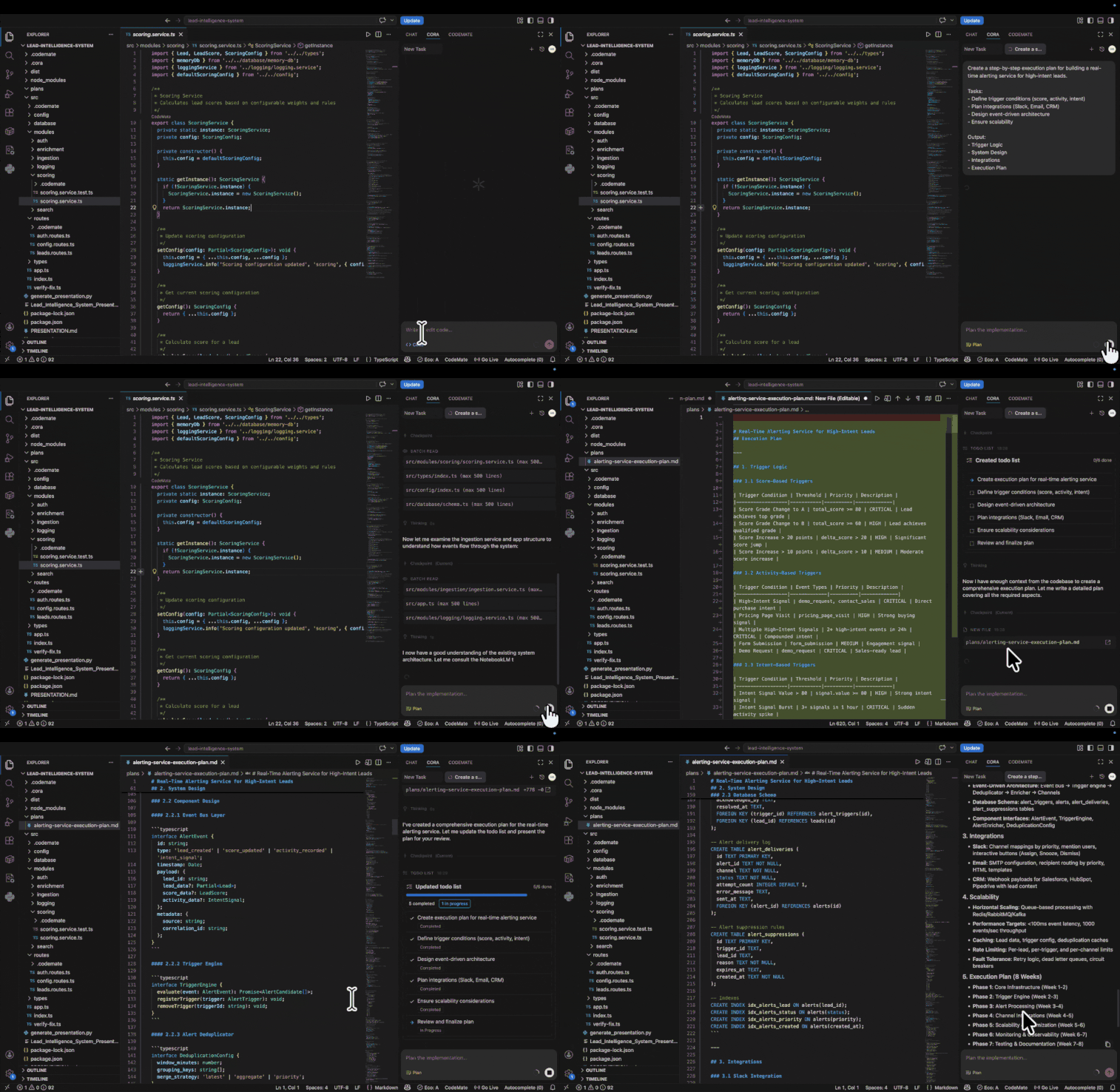
CORA does not start generating files. It first maps the full scope, identifying implicit requirements like invitation flows, API key management for machine-to-machine auth, and tenant-scoped queries on every database call. It then produces an architecture plan you can review and push back on. Once confirmed, it builds layer by layer: foundation, services, data layer, frontend, integration, validating each layer before proceeding to the next. How it works:
The result is a complete, architecturally sound codebase. Not a scaffold with placeholders. Not disconnected snippets. Not a project that still needs days of wiring. Why Developers Choose CORA
ModesCORA operates in five modes. Select the mode before sending a message, or use Auto and let CORA decide.
AutoAuto mode. CORA selects the right mode Plan, Ask, Code, or Review based on what the prompt requires, and switches mid-task when needed. Use when you want end-to-end progress without micromanaging every step.
PlanAnalyzes your codebase and produces architecture documents, stack decisions, and a dependency-ordered task breakdown. No code is written. Use when designing a new feature, planning a refactor, or evaluating technical approaches before committing.
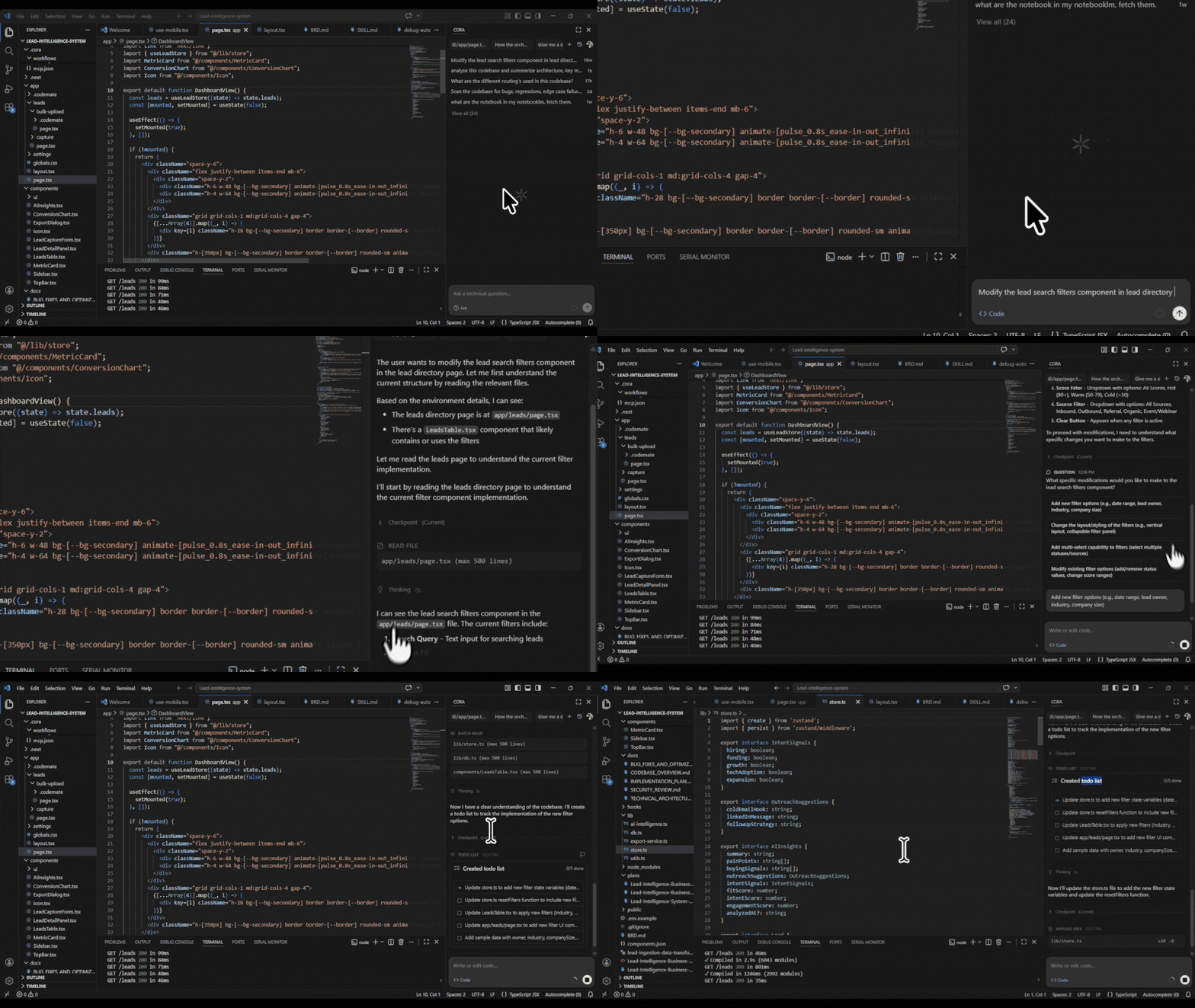
CodeWrites, modifies, and refactors code with full codebase context. The primary execution mode. Use when building features, fixing bugs, or making targeted changes across multiple files.
AskAnswers questions about your codebase, explains past decisions, and provides guidance. Makes no changes. Use when you need to understand the codebase, explore options, or get a second opinion before acting.
ReviewAudits recent changes for correctness, consistency with existing patterns, performance, and security. Use before committing, merging, or deploying.
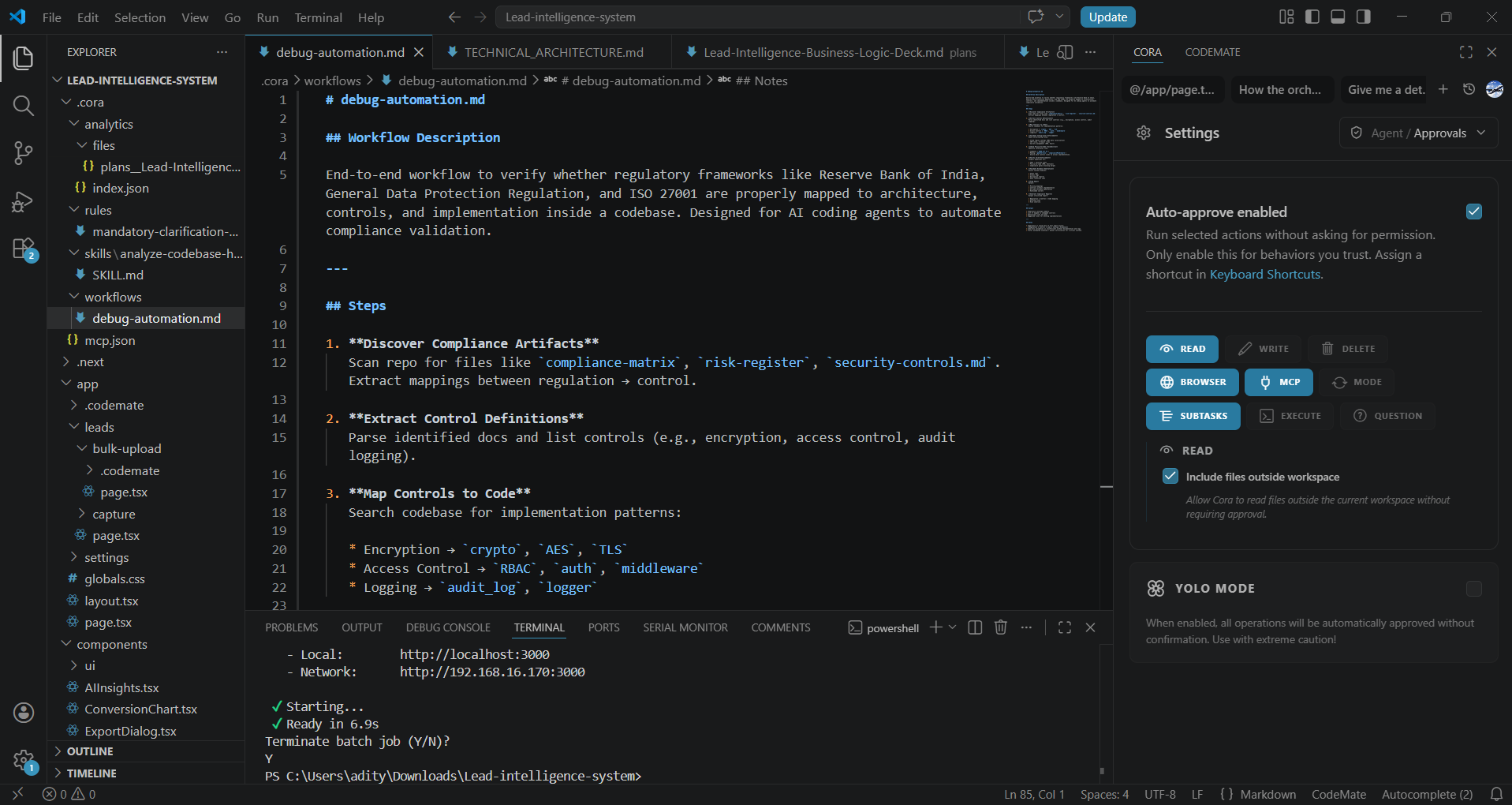
ConfigurationCORA's behavior is shaped by configuration files stored in your project, version-controlled, team-shareable, and scoped per repository.
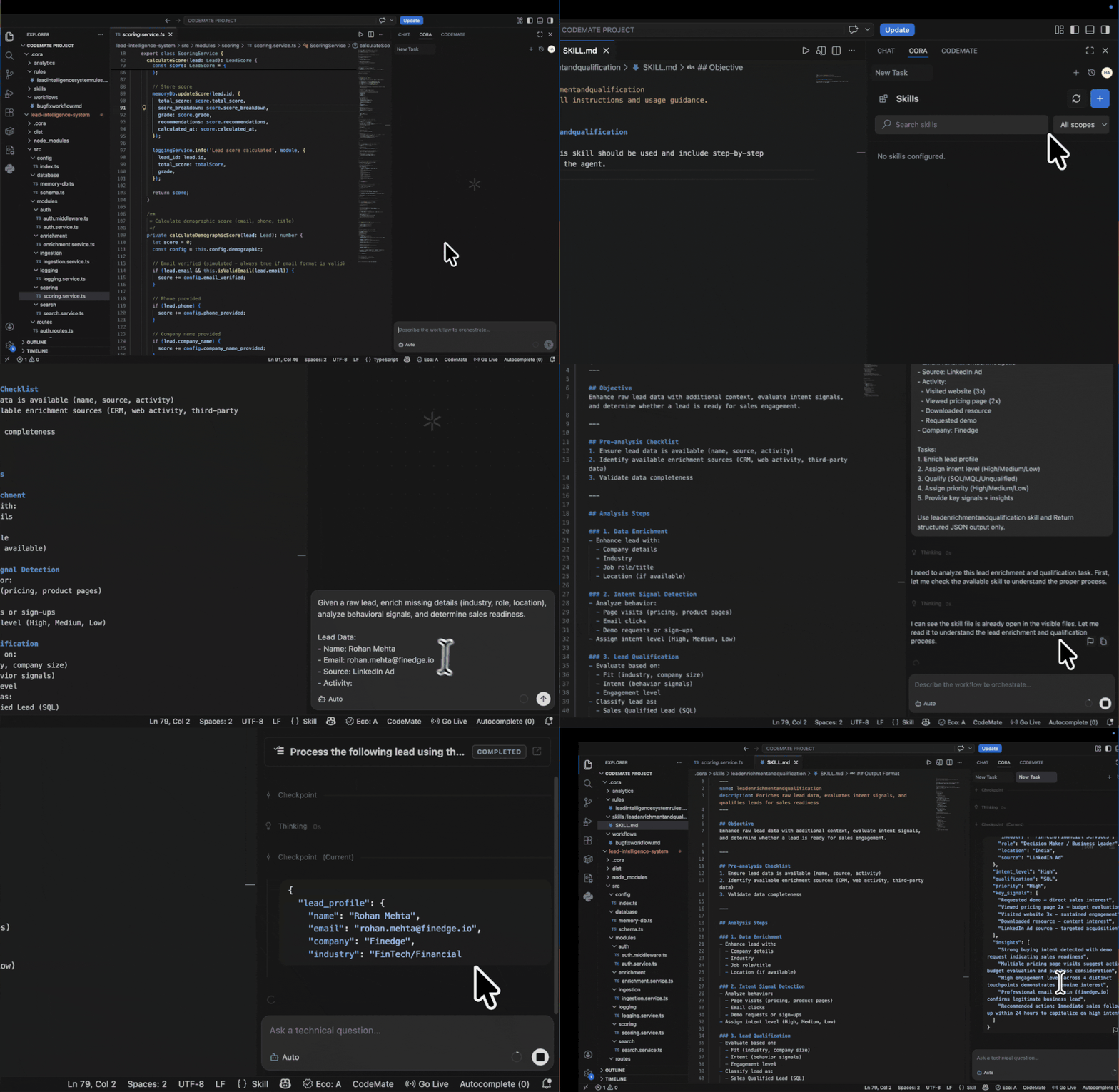
SkillsMarkdown files that give CORA domain knowledge specific to your project: API design patterns, component conventions, testing standards, naming rules. Define once, apply across all sessions.
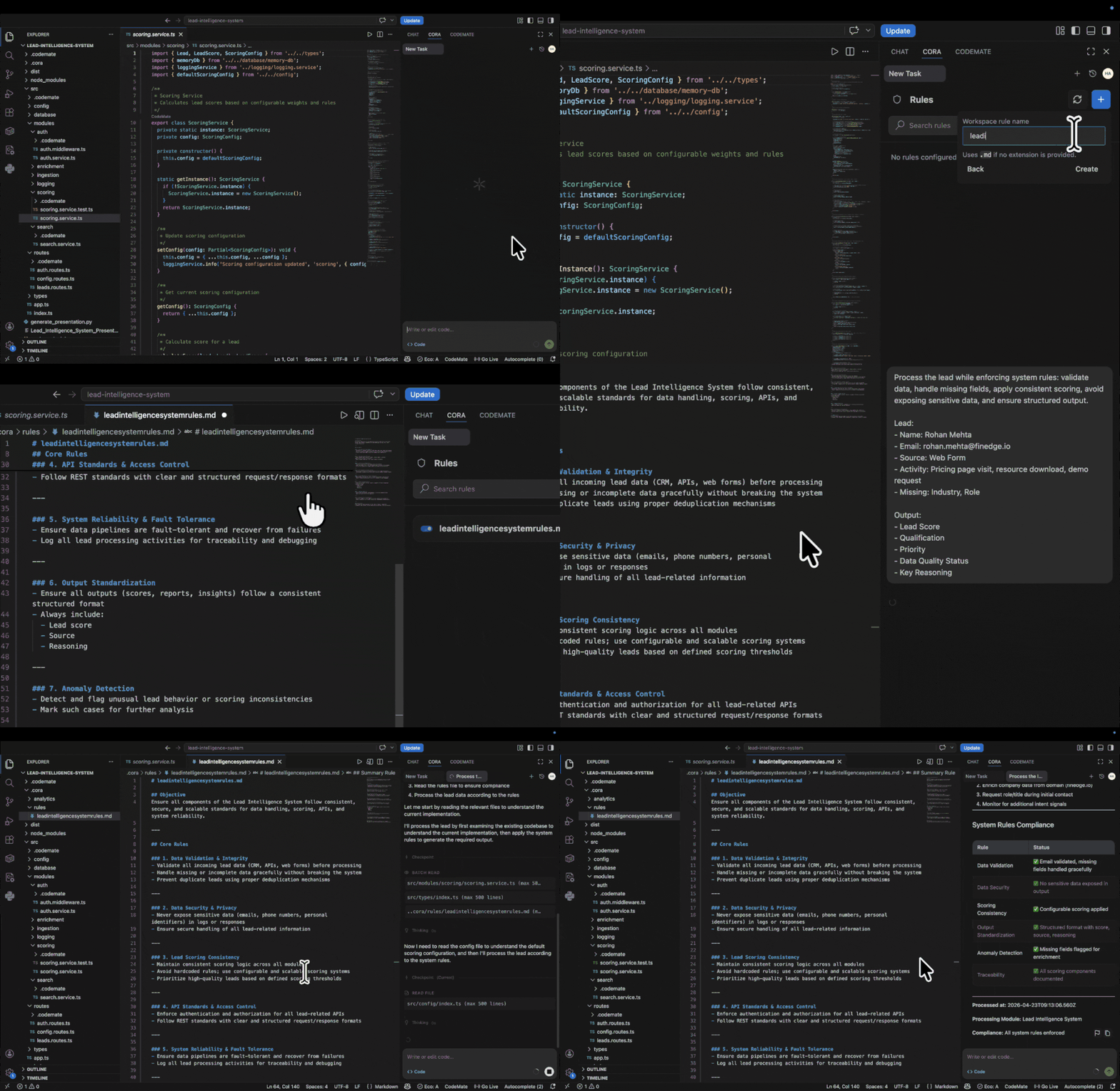
RulesHard constraints applied to every interaction: forbidden patterns, required file structures, architectural boundaries. CORA will not violate rules.
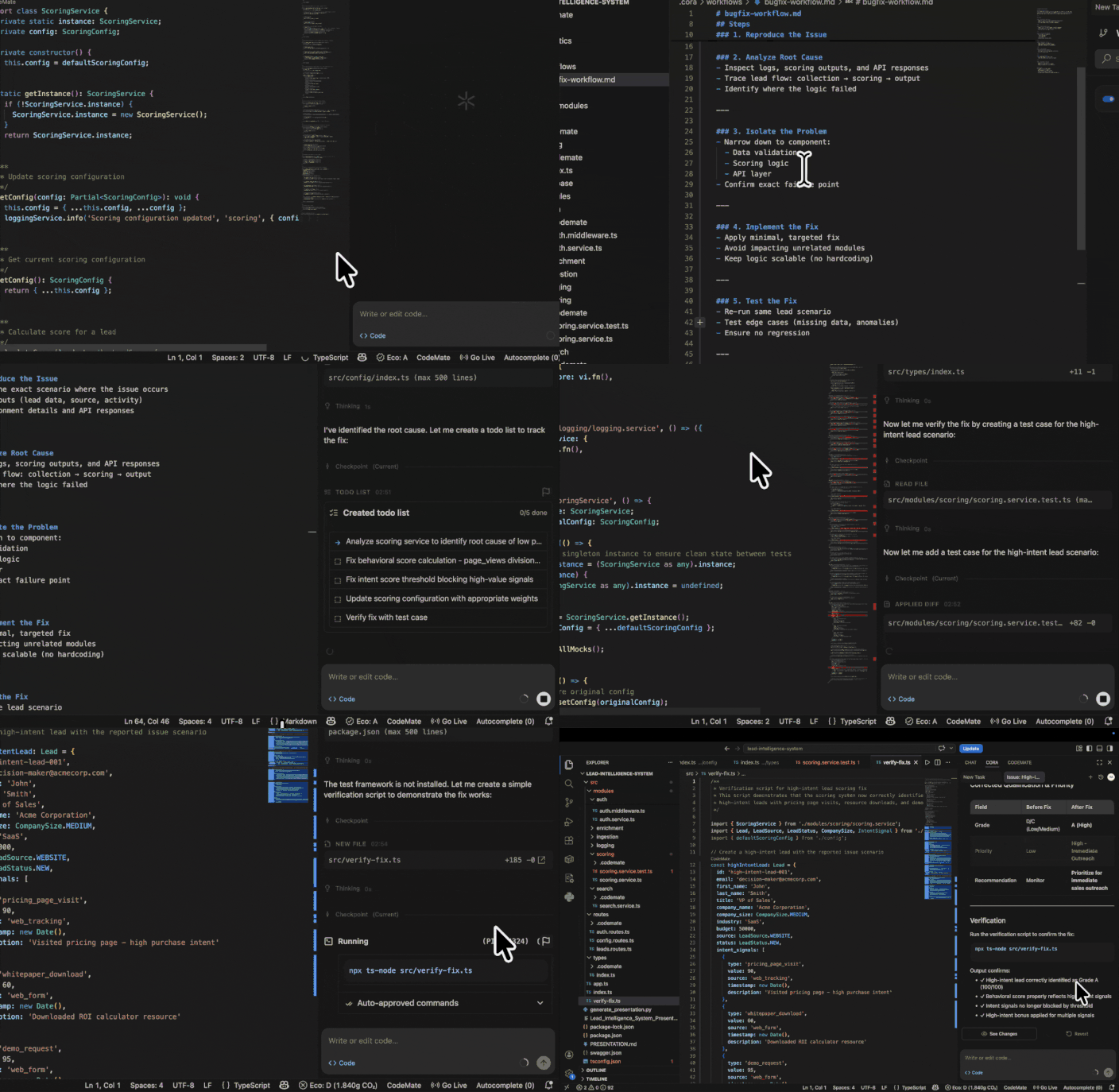
WorkflowsStep-by-step processes for repeatable tasks, invoked via slash commands.
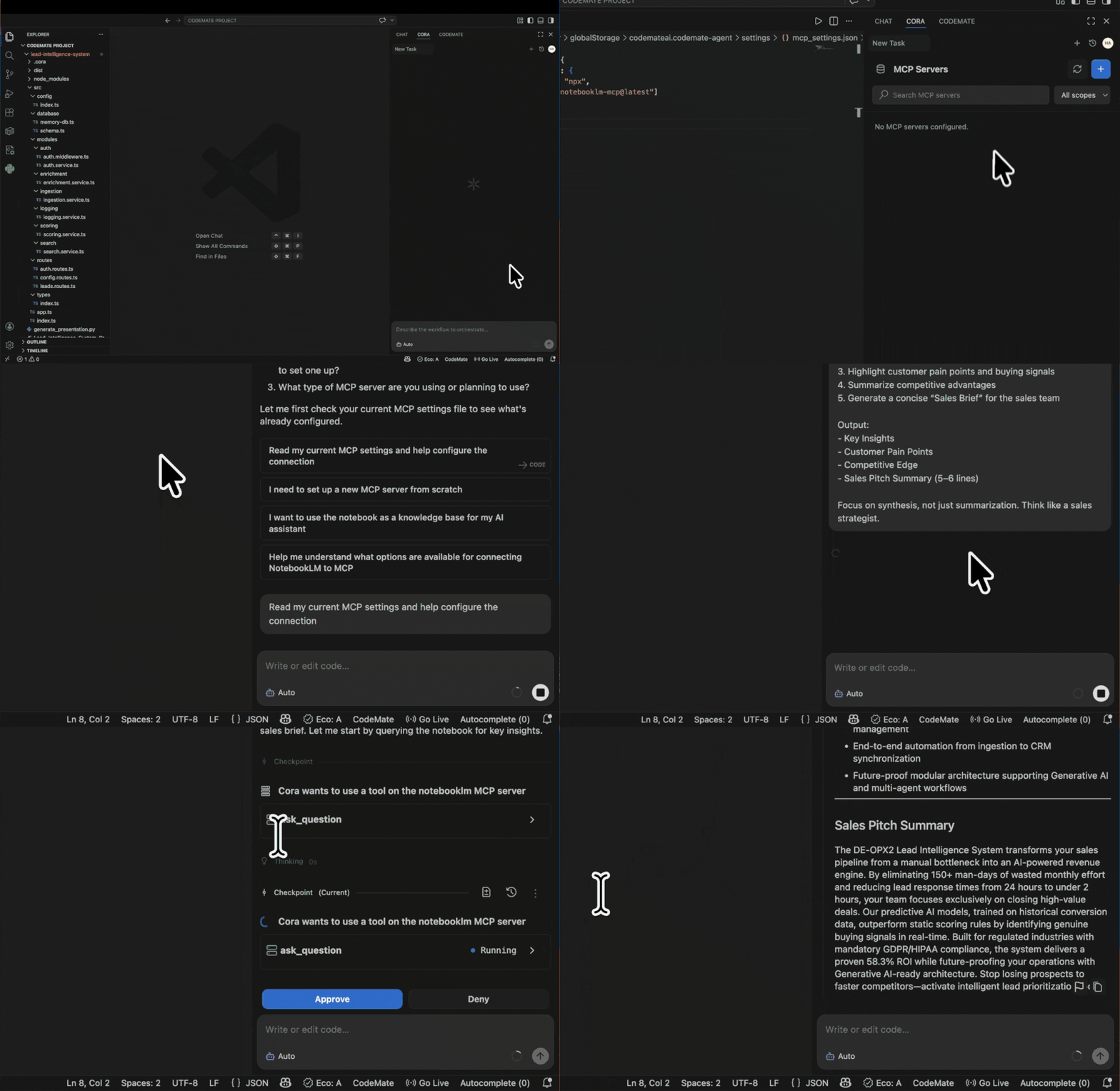
MCP ServersJSON configuration to connect CORA to external tools GitHub, Slack, databases, internal APIs, CI pipelines. Supports per-project setup and secure authentication.
Core CapabilitiesFull codebase awareness CORA reads your entire project, not just the open file. It understands module boundaries, existing patterns, import graphs, and Git history before making any suggestion. Structured task planning Complex prompts produce a dependency-ordered task graph before any code is written. You can review, reorder, and modify the plan before execution begins. Architecture diagrams CORA generates Mermaid diagrams for system architecture, data flows, and component relationships during planning sessions. Change approval and rollback Every file modification is presented as a diff. Nothing is applied without explicit approval. Checkpoints are maintained so you can roll back to any prior state. 50+ model support Works with Claude, GPT, Gemini, DeepSeek, and other leading models. Switch models per session or per mode. Local-first and privacy-aware Designed for teams with data residency requirements. Supports self-hosting and private model endpoints. Commit messages Generates commit messages from staged diffs. Understands intent and context, supports conventional commit format, and integrates with VS Code's built-in Git tooling. Getting StartedInstallOpen the Extensions panel in VS Code (Cmd+Shift+X on Mac, Ctrl+Shift+X on Windows/Linux), search for Cora Agent, and install. Or click Install at the top of this page. Sign in with your CodeMate account when prompted. The CORA panel will appear in the activity bar. Run Your First Build
Continue the conversation after the initial build to add features, ask questions about the generated code, or run a Review pass before merging. Supported Languages and FrameworksJavaScript, TypeScript, Python, Go, Java, Kotlin, Rust, C, C++, C#, Swift, PHP, Ruby, Dart, SQL, Shell, R, Julia, React, Next.js, Vue, Svelte, Angular, Tailwind, Node.js, FastAPI, Django, Spring, Docker, Terraform, YAML, and more. Links |