Access and update YouTube using standard SQL — powered by the YouTube Connector for the ZappySys API Driver.
Connect from SQL Server, Power BI, Excel, SSIS, and any ODBC-compatible tool.
Read and write videos, playlists, channels, and analytics-related data. Enable YouTube Data API, YouTube Analytics API, and YouTube Reporting API in Google Cloud, then authenticate with API Key [Http] or User Account [OAuth] against https://youtube.googleapis.com/youtube/v3.
Part of ZappySys ODBC PowerPack (30+ drivers).
Recommended starting point
Pro Tip: Configure one YouTube DSN once, then reuse it across Power BI, Excel, SQL Server linked servers, and SSIS without hand-written YouTube Data API calls per app.
Compatibility: Windows ODBC (32/64-bit) | Works with Visual Studio, .NET, BI tools |
Data Gateway for SQL Server, JDBC, and non-Windows access
⚡ Key Benefits
- SQL over YouTube APIs — Query channels, videos, playlists, comments, and reports using the actions listed on the connector hub
- Google Cloud auth paths — Follow documented
API Key [Http] or User Account [OAuth] setup with API enablement steps
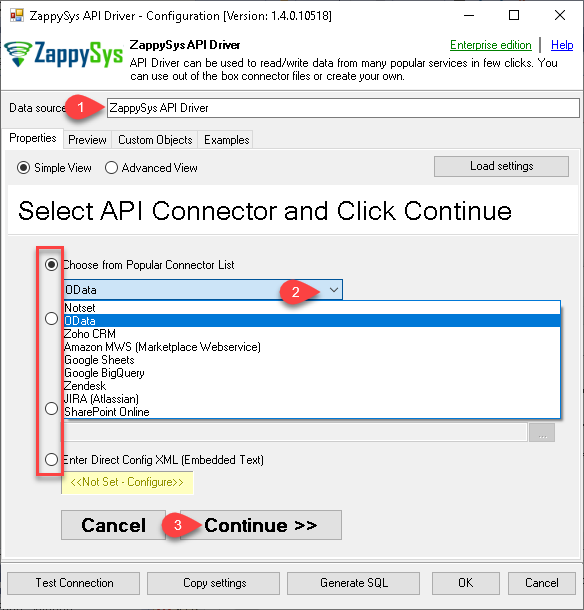
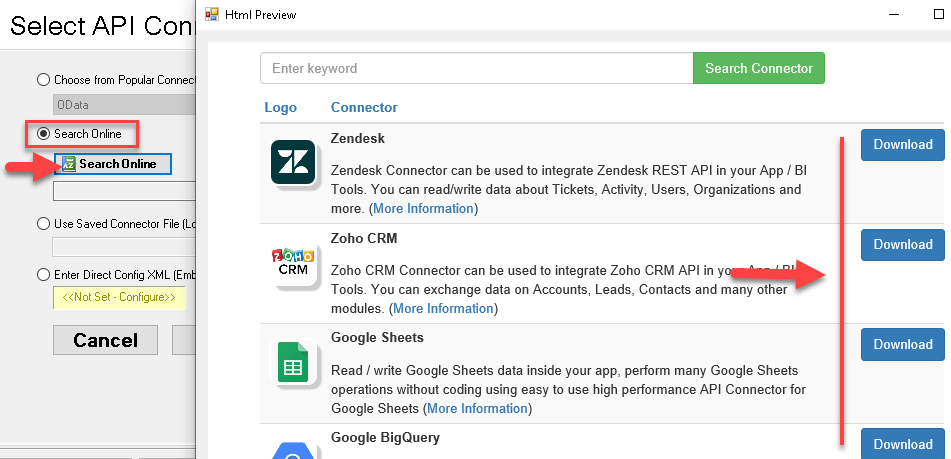
- DSN wizard workflow — Pick YouTube from Popular Connectors or use Search Online when the package is not embedded
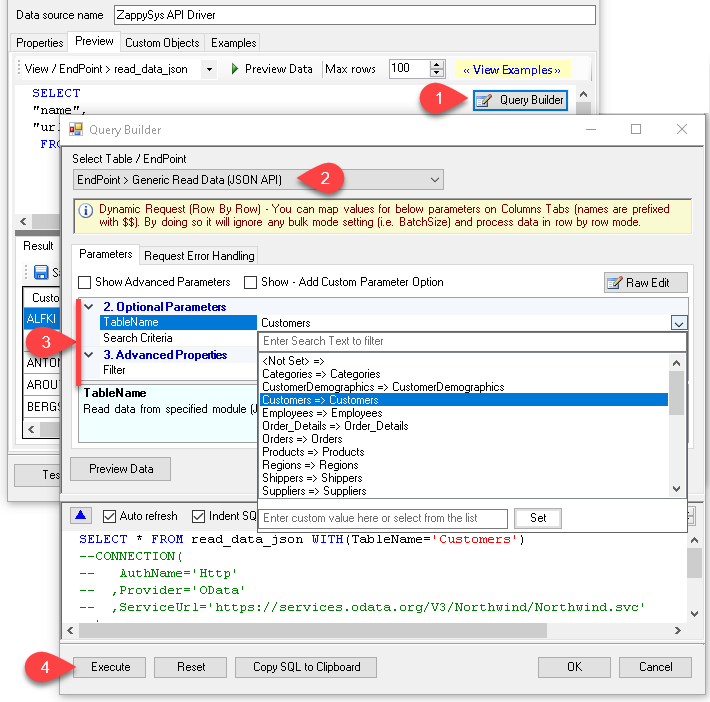
- Query Builder previews — Generate SQL and preview rows before you run workloads in downstream tools
- Quota-friendly retries — Configure RetryMode and HTTP status lists (examples include
403|429) with counts and multiply-wait options from the UI
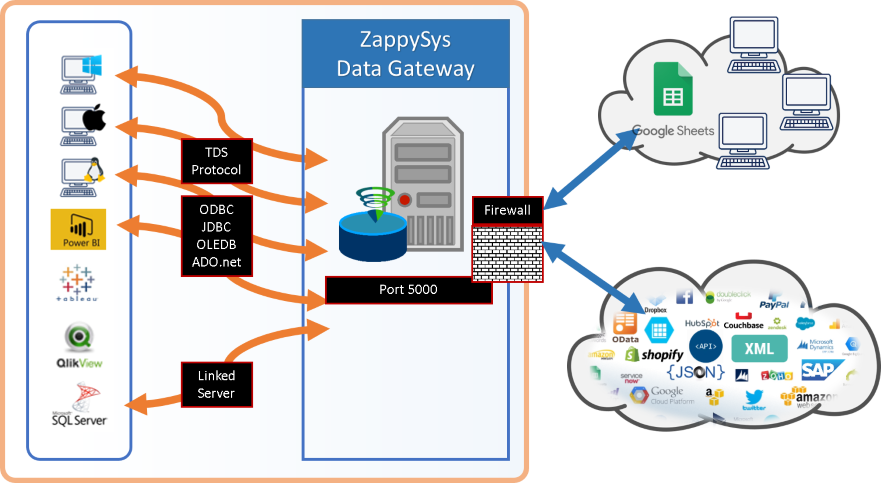
- Gateway-ready sharing — Publish the DSN through ZappySys Data Gateway for JDBC or remote clients without local driver installs
📸 Visual Overview & Setup
|
1. Pick YouTube Connector
|
2. Search Online if Needed
|
3. Build & Preview SQL
|
|
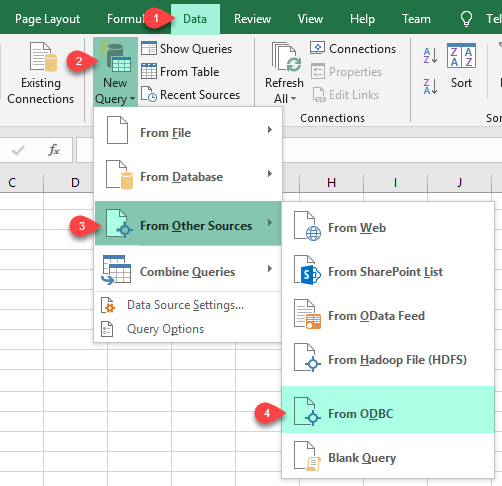
4. Load YouTube Rows into Excel
|
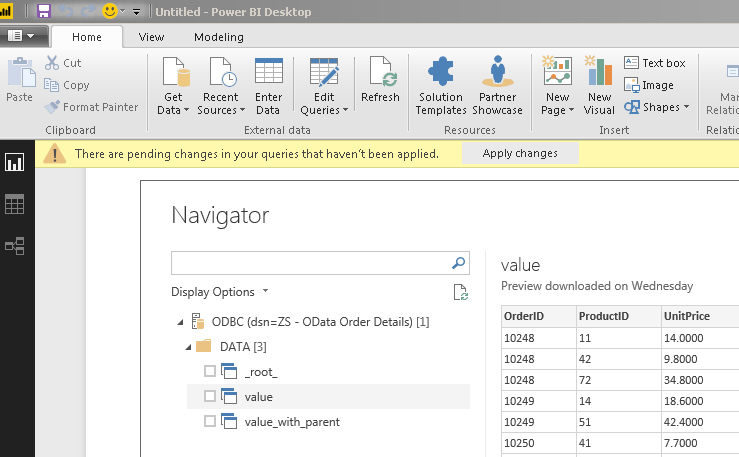
5. Connect from Power BI
|
6. Share via Data Gateway
|
🔗 Seamless SQL Query Integration
Works with REST, OData, files, and databases
-- Get channels via SQL (YouTube)
SELECT *
FROM get_channels
WITH(
	  id='UC2d5diIOoCEa47p4PjpIHya,AC2d5diIOoCEa47p4PjpIHyQ,TC2d5diIOoCEa47p4PjpIHyI'
)
✔ Query APIs like a database
✔ No ETL or custom scripts needed
✔ Works inside SQL Server, Power BI, Excel
🔧 Key Features
Read & query
- Call named actions such as
get_channels, get_videos, get_playlists, and related endpoints listed under Explore supported YouTube Connector actions
- Pass action parameters through
WITH (...) blocks as shown in the how-to SQL samples
- Keep requests scoped to
https://youtube.googleapis.com/youtube/v3 per the DSN placeholders
Write & automation
- Use INSERT/UPDATE patterns illustrated in the hub articles for supported write scenarios
- Issue generic REST requests when you need a path not wrapped as a named action
Authentication
- API Key [Http] — Create an API key in Google Cloud and map it to the connector's key field
- User Account [OAuth] — Desktop OAuth client, consent screen, and publish steps described in the walkthrough
- Service account [OAuth] — Use
Service Account (Using *.json OR *.p12 key file) [OAuth] with JSON/P12 keys and the Google Cloud steps outlined on the hub page
Platform fit
- Standard ODBC 3.x for Power BI, Excel, SQL Server, SSIS, and custom apps
- Centralized access through ZappySys Data Gateway when JDBC or non-Windows clients consume the same DSN
💡 Common Use Cases
Typical media analytics and operations scenarios for the YouTube ODBC Driver:
-
Channel inventory in Excel or Power BI: Pull channel metadata and subscriber stats into a model.
Example: Refresh a channel list for account managers each morning.
-
Video performance extracts: Stage video details and ratings for warehouse joins.
Example: Combine YouTube metrics with ad spend tables in SQL Server.
-
Playlist auditing: Read playlist items to reconcile CMS-published lists.
Example: Detect videos that left a curated playlist unexpectedly.
-
Comment moderation feeds: Surface comment threads for downstream NLP or ticketing.
Example: ODBC extract that lands in a staging table for review tools.
-
SSIS ODBC loads: Reuse the same DSN inside SSIS Execute SQL tasks.
Example: Nightly ETL that merges YouTube reporting with CRM keys.
-
Gateway-only access: Host the driver on a secure integration VM while analysts connect remotely.
Example: JDBC services query YouTube through a shared gateway endpoint.
🎯 Summary
Query YouTube Data API resources with SQL instead of bespoke REST clients.
Configure Google credentials once in the DSN, generate SQL from the Query Builder, and run the same statements across BI, databases, and ETL tools.
Trusted by Developers & IT Teams Worldwide
- Built for ODBC Workloads: One driver model across BI, ETL, databases, and custom code.
- Expert Technical Support: Engineers help with DSN setup, Google Cloud credentials, and query tuning.
- Proven Enterprise Scale: Thousands of teams worldwide rely on ZappySys for API and cloud connectivity.
|
ODBC PowerPack
Includes YouTube ODBC Driver

Read reviews on Capterra →
|
Ready to start querying YouTube?
Install the full ODBC PowerPack to unlock all drivers and start your free trial.
| |


