Access and update ServiceNow data using standard SQL — no custom REST coding required.
Connect from SQL Server, Power BI, Excel, SSIS, Tableau, and any ODBC-compatible tool.
Read incidents, tasks, users, and table API records; perform write actions exposed on the connector page. Authenticate with Basic Auth or OAuth flows using your ServiceNow instance settings.
Part of ZappySys ODBC PowerPack (30+ drivers).
Recommended starting point
Pro Tip: Configure one ServiceNow DSN once, then reuse it across Power BI, Excel, SQL Server linked servers, and custom apps without maintaining API calls by hand.
Compatibility: Windows ODBC (32/64-bit) | Works with Visual Studio, .NET, BI tools |
Data Gateway for SQL Server, JDBC, and non-Windows access
⚡ Key Benefits
- SQL over ServiceNow APIs — Work with incidents, tasks, users, and table API objects using familiar SELECT-style workflows in the driver
- Flexible authentication — Basic Auth, OAuth Authorization Code, OAuth Client Credentials, and OAuth Password Grant options in the DSN wizard
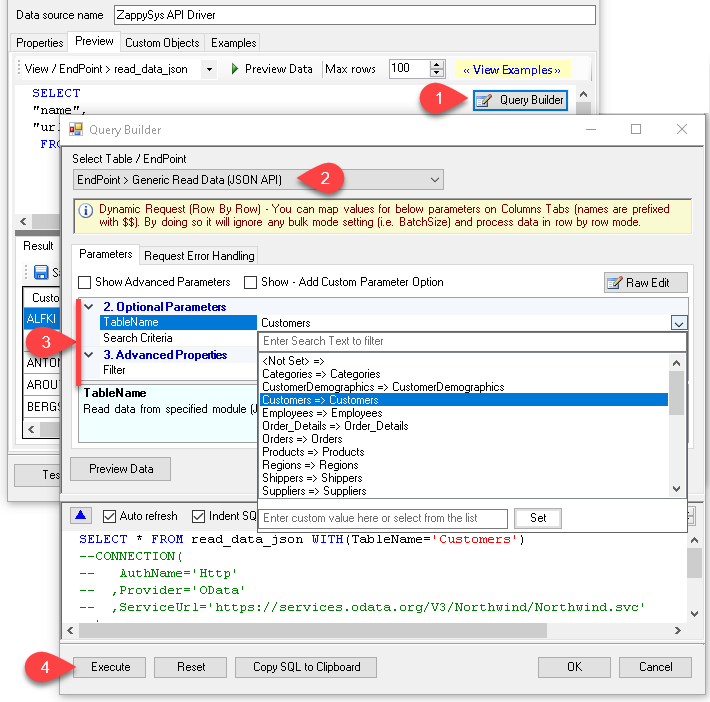
- Query Builder UI — Pick virtual tables or actions, set parameters, preview rows, and copy generated SQL
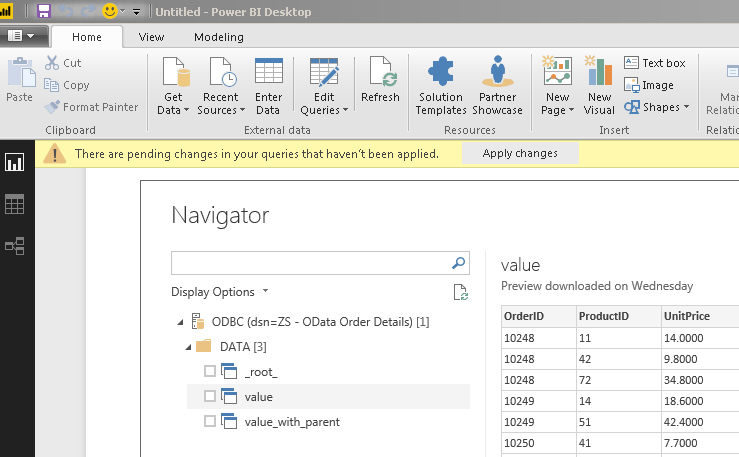
- Broad tool support — Same DSN for Power BI, Excel, SQL Server, SSIS, and other ODBC consumers
- Action catalog — Connector page lists how-to operations for ServiceNow records and generic REST patterns
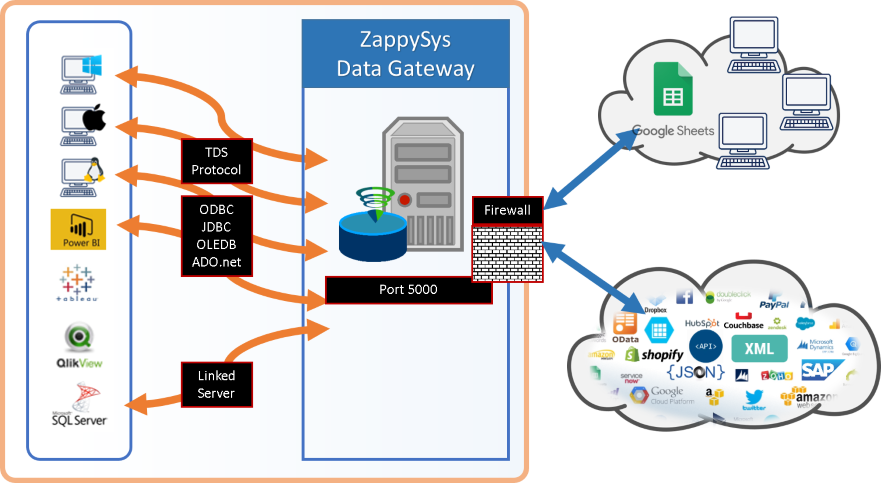
- Centralized access — Share the driver via ZappySys Data Gateway for JDBC, Linux, or remote clients without local installs
📸 Visual Overview & Setup
|
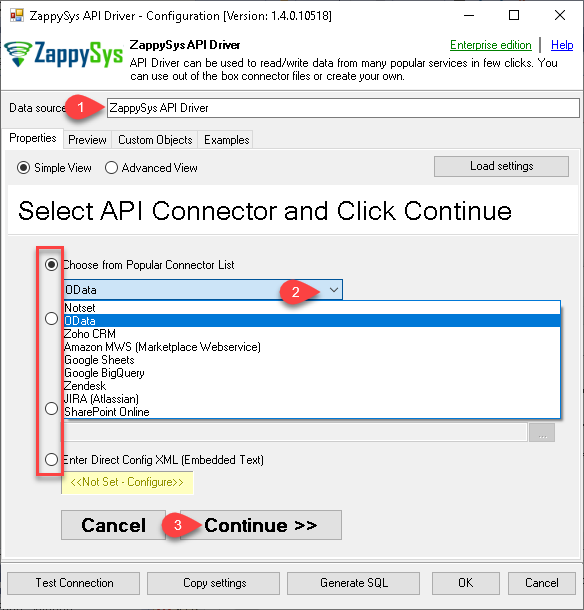
1. Pick ServiceNow Connector
|
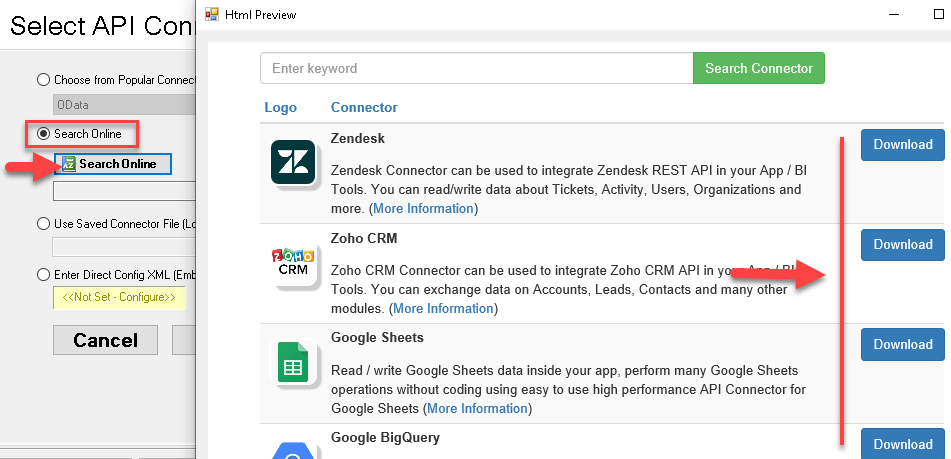
2. Search Online if Not Listed
|
3. Build & Preview SQL Query
|
|
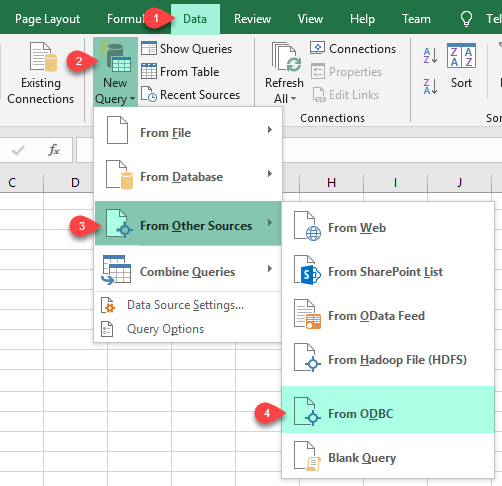
4. Load ServiceNow Data into Excel
|
5. Connect from Power BI
|
6. Share via Data Gateway
|
🔗 Seamless SQL Query Integration
Works with REST, OData, files, and databases
-- Read an incident by Id (ServiceNow / ODBC)
SELECT *
FROM Incidents
WHERE sys_id='0123456789abcdef0123456789abcdef'
✔ Query APIs like a database
✔ No ETL or custom scripts needed
✔ Works inside SQL Server, Power BI, Excel
🔧 Key Features
Read & query ServiceNow data
- SELECT against virtual tables and views surfaced for incidents, tasks, users, and table API entities
- Use the Query Builder to choose an endpoint, supply parameters, and preview results before you paste SQL into your app
- Prefer server-side filters via Query Builder parameters when the API supports them for faster, smaller result sets
Write & operational actions
- Invoke insert, update, and other write-oriented virtual tables using the SQL patterns documented on the connector how-to pages
- Combine with other ODBC drivers or staging tables when you prepare data in SQL Server before calling ServiceNow-backed actions
Authentication
- Basic Auth (UserName and Password) for quick instance access using HTTP credentials
- OAuth Authorization Code, OAuth Client Credentials (admin-enabled), and OAuth Password Grant for governed integration patterns
- Configure instance name, OAuth settings, and retry options through the DSN wizard as documented on the connector page
Platform & deployment
- Standard ODBC 3.x for BI, ETL, and custom .NET or C++ clients on Windows
- Optional Data Gateway when the driver cannot be installed on the machine that issues SQL
💡 Common Use Cases
Typical scenarios for the ServiceNow ODBC Driver:
-
Incident reporting: Pull incident and task data into BI tools for SLA and backlog dashboards.
Example: scheduled export of open incidents by assignment group and priority.
-
ITSM warehouse loads: Land ServiceNow records in SQL Server for historical trend analysis.
Example: nightly incremental load keyed by updated timestamps.
-
Operational updates: Push status changes back to ServiceNow from SQL-driven workflows.
Example: update incident notes after remediation automation completes.
-
Master data alignment: Synchronize users and reference tables across ITSM and enterprise systems.
Example: align support-group mappings for downstream analytics.
-
Enterprise gateway patterns: Host the DSN on Data Gateway for JDBC or remote teams.
Example: Java service querying ServiceNow through a centralized gateway DSN.
-
Hybrid reporting: Join ServiceNow API reads with other ODBC drivers in federated SQL workflows.
Example: correlate incident volumes with infrastructure monitoring data.
🎯 Summary
Bring ServiceNow into the ODBC stack your team already runs.
Configure authentication once in the DSN wizard, generate SQL from the Query Builder, and reuse the same connection across BI, databases, and ETL — without hand-maintained API code.
Trusted by Developers & IT Teams Worldwide
- Built for ODBC Workloads: One driver model across BI, ETL, databases, and custom code.
- Expert Technical Support: Engineers help with connection strings, SQL, and performance tuning.
- Proven Enterprise Scale: Thousands of teams worldwide rely on ZappySys for API and cloud connectivity.
|
ODBC PowerPack
Includes ServiceNow ODBC Driver

Read reviews on Capterra →
|
Ready to start querying?
Install the full ODBC PowerPack to unlock all drivers and start your free trial.
| |


